


Mrs. Zhang and her House Made of PaperA daughter’s education, a mother’s devotion, and the toll of quiet sacrifice
This is Mrs. Zhang’s story, as told by as told by her son-in-law to Aurora Wells. Our “Opening Our Hearts” stories are based on people’s real-life experiences with loss. by sharing these experiences publicly, we hope to help our readers feel less alone in their experience of grief and ultimately, aid them in their healing…

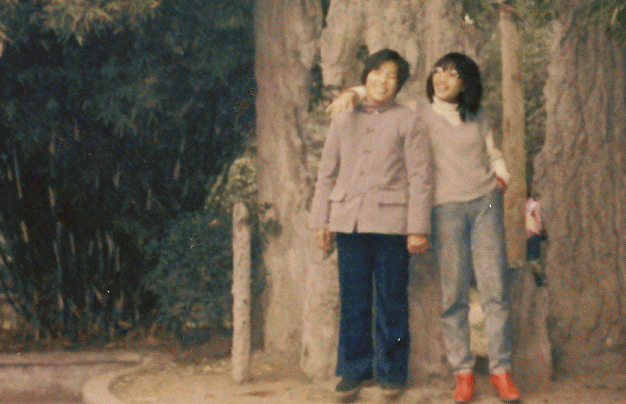
This is Mrs. Zhang’s story, as told by as told by her son-in-law to Aurora Wells. Our “Opening Our Hearts” stories are based on people’s real-life experiences with loss. by sharing these experiences publicly, we hope to help our readers feel less alone in their experience of grief and ultimately, aid them in their healing process. In this post, we tell the story of a woman who starved to death at 69 due to the difficult life she lived in China.
Mrs. Zhang was the first woman in her entire ancestral history to receive an education. During the 1950’s in China, before it was acceptable for women to go to college, she became a doctor. She would later tell her daughter that those years of study had been the happiest of her life.
But she would never use her medical degree.
When the Chinese Cultural Revolution struck, all university graduates were driven out into the fields. In the name of the socialist vision, Dr. Zhang was forced to toil on a farm.
That’s when her sorrow first began, aching quietly inside her bones.
The government arranged for her a loveless marriage. Mr. Zhang is, to this day, a lost gambler. His daughters resent him beyond words (so much that silence must suffice). When my wife was a little girl, she caught him out with another woman; she remembers it like yesterday — shame, and the color of his lady’s dress.
“His daughters resent him beyond words (so much that silence must suffice). When my wife was a little girl, she caught him out with another woman; she remembers it like yesterday — shame, and the color of his lady’s dress.”
But everyone in the village whispered, shaking their heads at Mrs. Zhang. Their hearts went out to her husband. After all, who wouldn’t turn to gambling and whores, given three daughters and not one child?
Her sorrow spread, weighing heavy in Mrs. Zhang’s heart.
After a decade in the fields, enforcement of the failed Revolution dwindled, and Mrs. Zhang was able to work as an herbalist. When times got tough and her husband’s addiction bled her family, she would take any odd jobs available. And she kept her daughters safe from the physical abuse of their father at any cost. For a time, the four of them had to live under a bridge — but Mrs. Zhang’s fierce dedication housed them once again.
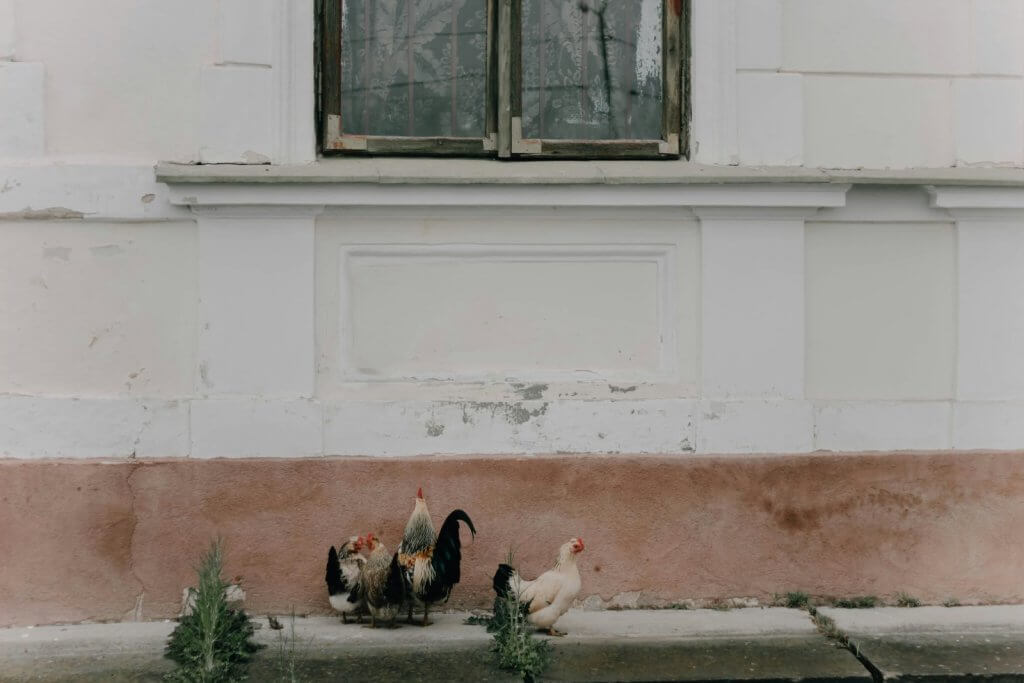
Contrary to Chinese custom, she raised animals for companionship… dogs, chickens, geese. My wife remembers once, when she was small, her mother brought home a huge black rabbit that kicked up its feet. The rabbit hid under the bed for two weeks, and soon the house was overrun with little black rabbits. Even as a child, my wife could tell her mother was lonely.
The education of her children was the most important thing in the world to Mrs. Zhang. When my wife was accepted to a prestigious Chinese university, her mother lit up with pride. Poor as they were, she wouldn’t hear of failing her daughter such an opportunity.
“But Mrs. Zhang would have sacrificed anything. She slaved and saved pennies, hiding everything away from her husband to make sure my wife could afford food and schoolbooks.”
Scholarships were available, but not to women; they even had separate meal tickets for men and women, assigning a paltry ration to the latter. But Mrs. Zhang would have sacrificed anything. She slaved and saved pennies, hiding everything away from her husband to make sure my wife could afford food and schoolbooks.
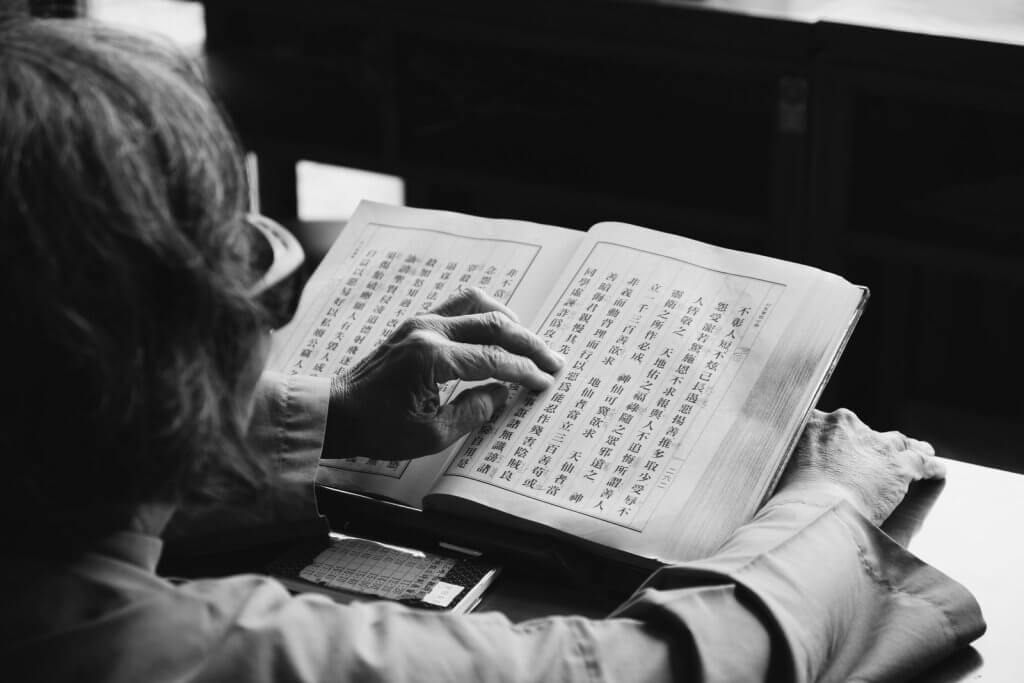
Mrs. Zhang was so frugal, she never ate in a restaurant or traveled — until the early 90’s, when my wife returned from her PhD program in the States to take her to Shanghai and Beijing, seeking an end to her mother’s sorrow. But in China, the depression that consumed Mrs. Zhang was not understood as a legitimate medical condition, and her treatment was limited to experimental combinations of medications.
By 2006, the situation had become desperate; at a loss, we brought her to California. She was all bones, coming off the airplane in a wheelchair. My wife was shocked to tears when her mother refused to eat or drink. She wasn’t hungry, she said. Or she could stand to lose a little weight.
Mrs. Zhang weighed 61 pounds.
“My wife was shocked to tears when her mother refused to eat or drink. She wasn’t hungry, she said. Or she could stand to lose a little weight. Mrs. Zhang weighed 61 pounds.”
She had a Visitor Visa for six months, while my wife applied for her Green Card. We set to work, searching for a treatment center that could overcome the language and culture barrier. While the doctors failed to communicate, we eased her onto porridge and gave her small tasks: reading and writing in Chinese. At first her handwriting was barely legible. Within a few weeks, it was perfect — and she had remembered how to knit. She moved up to protein shakes and pieces of cheese.
My wife and I were full of hope.
After a couple months, my mother-in-law was up to 72 pounds, considerably more lucid, and walking on her own. But by the fourth month, she realized she would have to return home. Those precious pounds appeared to slip off overnight, like a terrible dream.
Mrs. Zhang died at the end of her sixth month in a strange land, at 69. We brought her ashes to China and the entire family gathered (excepting Mr. Zhang) for the traditional service — they built a paper house and surrounded it with paper money, burning it all to the ground on her final resting place.
In the end, the air hung thick with smoke and diffused sorrow. My wife squeezed my hand, and I knew she was ready to go home.
A closing remark from her son-in-law: I wanted to tell this story to help shed light on the historical struggles of the Chinese Cultural Revolution, the struggles of women in China which persist to this day, and last but not least, the struggles of serious depression. Mrs. Zhang died because her dream died — let her grave stand testament to that, given the freedom she was denied, dreams are one thing worth fighting for.
May We Suggest:
 My Mother’s Hollow Final Goodbye Broke My Heart
 Some Fathers Golf, Mine Painted Nudes
 My Father-In-Law Died Surrounded by Love
-

There was a rash of divorces in China in the 90’s because so many women were just sick and tired of men like this. There are millions of women who are suffering from the fallout of the Cultural Revolution to this day.
-
My parents went to the farm to work in lieu of getting to go to college. Both my parents met at the tea farm that they were assigned to go to. Back then (’70s), all families had to send one child (either eldest child or eldest son) to the farms to work.
Sadly, this story is very common to our culture…
-
Thanks for sharing this story Hans. very intense and special to open your heart about this experience and her life.







Leave a Reply