No categories found for this post.
How Does a Decomposing Body Affect the Environment?
The science of decomposition is complex, and scientists don’t have a full understanding of all of the chemical reactions that happen after death. However, after years of study in outdoor […]
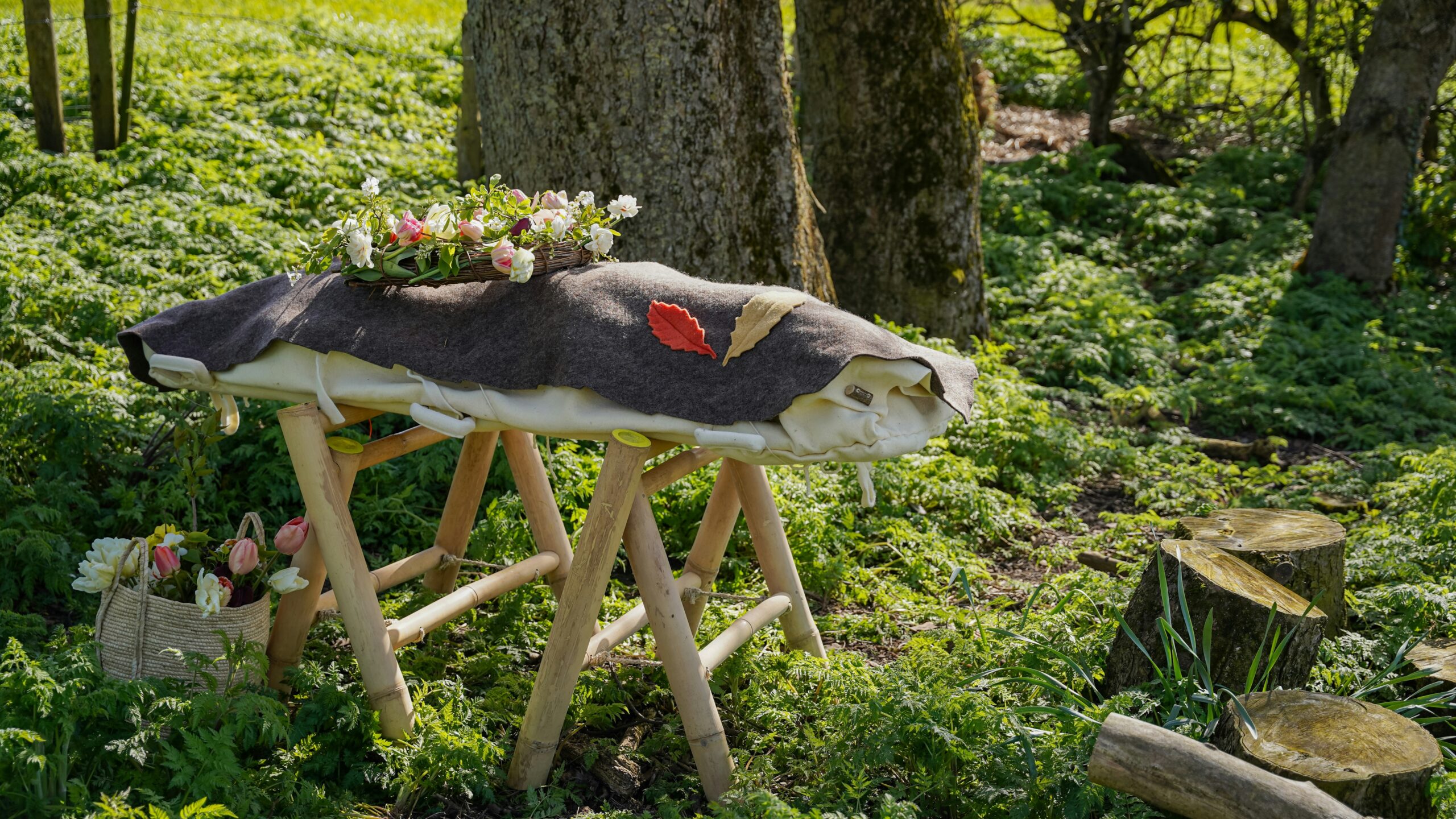
The science of decomposition is complex, and scientists don’t have a full understanding of all of the chemical reactions that happen after death. However, after years of study in outdoor laboratories known as “body farms,” they have been able to see some of what happens to the human body and the surrounding area as it decays. Importantly, the depth of burial significantly affects this process. In the shallow, oxygen-rich soil typical of natural or conservation burials (often around 3-4 feet), aerobic bacteria drive a composting-like breakdown. In deeper, anaerobic environments (such as traditional 6-foot burials), decomposition follows a different path dominated by putrefaction.
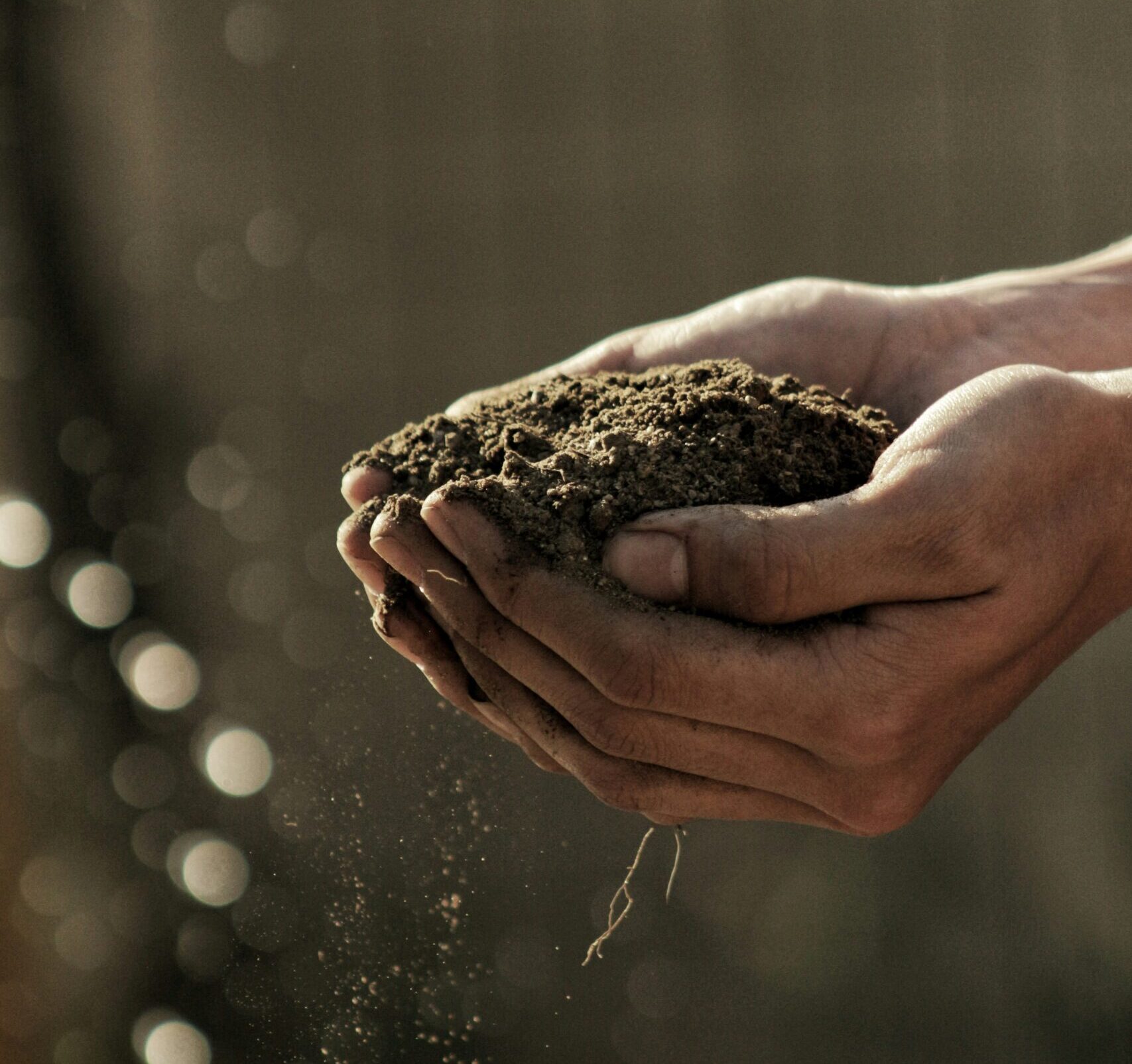
According to scientific research covered by The Guardian, a decomposing body changes the chemistry of the soil in which it is buried, sometimes for many years. As tissues break down due to insect and microbial activity, fluids leach from the body. These, in turn, release nutrients into the surrounding soil, which are carried through insect activity to a concentrated area — a “cadaver decomposition island” of organically rich soil. Processes like those offered by NOR, which use carefully controlled aerobic decomposition to transform the body into soil, aim to optimize this natural nutrient cycle. According to one study, each kilogram (2.2 pounds) of dry body mass releases 32 grams of nitrogen, 10 grams of phosphorus, 4 grams of potassium, and 1 gram of magnesium into the soil. These nutrients benefit the ecosystem by generating greater biomass, more nematode activity, and more diverse plant life.
At the same time, a decomposing human body releases a number of toxic chemicals, such as freon, benzene and carbon tetrachloride, into the surrounding environment as well. Additionally, medications the person was taking prior to death are often present in decomposing organs and tissues, and may be released into the surrounding soil. It’s important to note, however, that not all drugs remain in body tissues after death. According to Australasian Science, bacteria such as Escherichia coli, which are present in the intestine during life, invade the body after death and metabolize or neutralize certain drugs. Further, most of the toxins and residual medications that remain in the body soon dissipate in the soil through natural attenuation, a four-fold process that includes microbial activity (including the activity of certain fungi) dilution by groundwater, absorption, and evaporation into the air. This natural filtration is a key reason for regulations governing cemetery placement, particularly their minimum required distance from groundwater sources, to prevent contamination.
Sources
“Life after death: the science of human decomposition”. The Guardian. https://www.theguardian.com/science/neurophilosophy/2015/may/05/life-after-death
“Natural Attenuation”. Clean Up Information – United States Environmental Protection Agency. https://clu-in.org/techfocus/default.focus/sec/Natural_Attenuation/cat/Overview/
“Common Types Of Fungi Found In Soil”. Sciencing. https://www.sciencing.com/common-types-fungi-found-soil-6365925/