“Take this Body Home”How one song captures the complexities of grief, love, and the meaning of “home” at life’s end
When Rose Betts’s mother asked her to write a funeral song for her grandfather, she wasn’t sure how she was going to do it. Her family was estranged from him, and her feelings toward him were complicated. In a “tea and song” session on her social media, Betts explained her struggles writing “Take This Body…

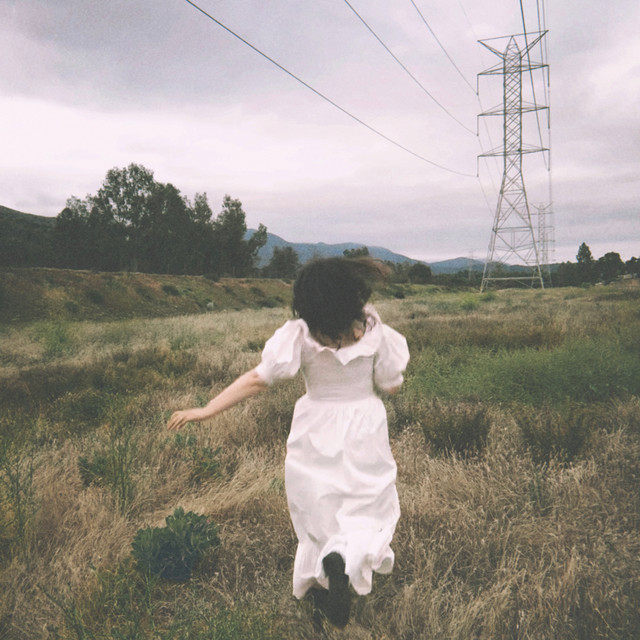
When Rose Betts’s mother asked her to write a funeral song for her grandfather, she wasn’t sure how she was going to do it. Her family was estranged from him, and her feelings toward him were complicated.
In a “tea and song” session on her social media, Betts explained her struggles writing “Take This Body Home,” a song from her album There Is No Ship, which was publicly released a few weeks later, in March, 2025.. Though she did not share specifics, she referenced generational trauma, using the phrase “hurt people hurt people.” Betts highlighted that her central challenge was how to write about someone in a way that was fair, honest, and compassionate.
Music Imbued with Celtic Connection
Betts, who has Celtic heritage on her mother’s side, felt called to bring in the sounds of her culture and the words of her tradition. Her sound is a fusion of Celtic music and Alt Pop. She built “Take This Body Home” around the traditional Irish blessing, opening the song with its first two lines.
May the road rise up to meet you
May the wind be at your back
According to a post on the Secret Ireland blog, this is a poetic interpretation of the original Gaelic. “Literal translation: May the road succeed with you. Actual meaning: May your journey be smooth and successful.”
The blessing, likely rooted in Gaelic oral tradition, refers to both journeys through Irish landscapes and the final journey of life. It is shared at events such as funerals and is often inscribed on gravestones.
Seamus from Secret Ireland stated that the blessing is “spoken when people part ways, when someone embarks on a journey, and when a loved one passes on. It’s the perfect send-off, wishing peace and safe travels into the unknown.”
No life is perfect. People and relationships are complex, but in our grief, despite tangled feelings, there is hope for a peaceful transition. As Betts sings,
Take this body home
There is a longing in her voice that intensifies as she repeats the line for a second time in each chorus. The haunting, ethereal melody floats like the lyrics below:
Call the wind and let her know
She wrote the piece in Crestline, California, where she went on a self-imposed writing retreat to a cabin. In a Q&A on the Luna Collective, she said, “During my first trip, the mists came in, and in my high-up cabin, it felt like I was floating in the trees! So atmospheric and really very Celtic.” Drawing on this experience, Betts draws on the language of the blessing, both in its references to nature and travel, while also consciously including her grandfather’s torment.
Take this life outgrown
Take this broken soul
Call the stars, call them all
And take it high, take it far, take it home
Rupture, Repair, Release, and Rest
Betts acknowledges that pain from life’s choices persists after death but also calls for healing and release for the departed.
May your hardened heart be woken
By the soft and distant song
Of all you left here unspoken
All the shards we keep stepping on
Even when we have strong, positive relationships with loved ones who have died, there are often moments, memories, and wounds that weren’t resolved in life. This lingering complexity makes Betts’s lyrics especially poignant.
Despite everything, people call for friends and family to “Rest in Peace” because, regardless of our relationship with others at the time of their death, we desire release and healing for them. This universal longing for peace is clearly reflected in the final lines of Betts’s song.
May all your wounds find their healing
In the last and enduring sleep.”
Video for “Take this Body Home”
May We Suggest:
 Why is Death Midwifery Important? (Interview)
 DIY Body Transport by Vehicle: What You Can (and Can’t) Do (Interview)
 My Mother’s Hollow Final Goodbye Broke My Heart