


Finding Room to Grieve: Why It’s So Hard to Secure a Last-Minute Celebration of Life Venue Right NowThe multi-day wedding has transformed the event landscape. Here are several ways grieving families can find a beautiful space without the year-long wait
When someone dies, families are often asked to make dozens of decisions at precisely the moment when making even one can feel overwhelming. Among the most difficult can be finding a place to gather. Unlike weddings, which may be planned a year or more in advance, a celebration of life often needs to come together…


When someone dies, families are often asked to make dozens of decisions at precisely the moment when making even one can feel overwhelming. Among the most difficult can be finding a place to gather. Unlike weddings, which may be planned a year or more in advance, a celebration of life often needs to come together within weeks, sometimes days. Yet families searching for an elegant, welcoming venue can find themselves competing with couples who have been holding their dates for months. The problem isn’t necessarily that Americans are getting married in unprecedented numbers, but rather that today’s weddings can require considerably more space and time than a single ceremony and reception.
The Wedding Weekend Takes Up More Space
For many couples, a wedding is no longer simply an event that happens on Saturday afternoon. Welcome parties, rehearsal dinners, ceremonies, receptions, after-parties and farewell brunches can turn one wedding into an entire weekend of programming. Additionally, wedding venues themselves can be booked 12 to 18 months in advance in competitive markets, with some peak-season Saturday dates reaching the 14- to 18-month range.
That creates a frustrating mismatch for grieving families. A wedding couple may have a year to secure the perfect venue. A family planning a memorial generally does not. Fortunately, a traditional venue isn’t the only place where people can gather to remember someone they love.
Look Beyond Traditional Venues
Some of the most memorable celebration-of-life locations may not market themselves as memorial venues at all. Consider microbreweries and distilleries, independent art galleries, boutique museums, community centers and restaurants with private dining rooms. These businesses may already have the infrastructure needed for a gathering without operating exclusively around weddings.
Restaurants can be especially useful for smaller groups because private rooms may already have tables, chairs, food service and staff. An art gallery or museum, meanwhile, can provide a distinctive setting without requiring elaborate decorations. The key is to think about the atmosphere you want rather than searching exclusively for an end of life venue.

Rethink the Day and Time
Saturday afternoons are among the most sought-after times for weddings. If you’re willing to consider a different schedule, your options may expand considerably. Ask about weekday evenings, Sunday evenings, mornings or daytime gatherings. A Sunday evening celebration may be much easier to schedule after a wedding weekend has concluded.
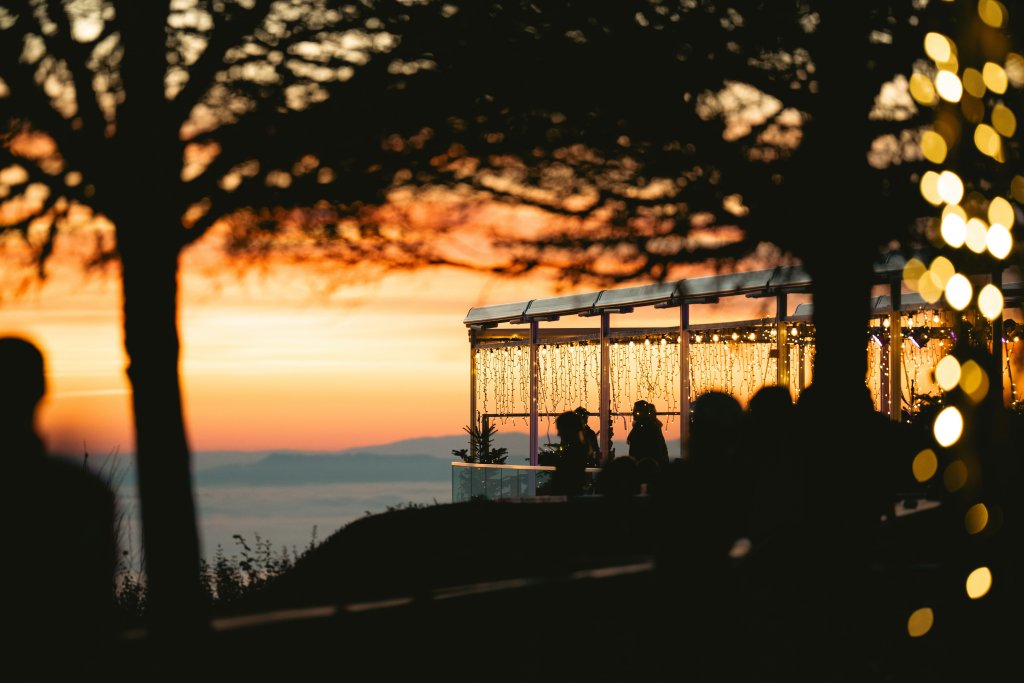
Pick Up the Phone
Online booking forms are convenient, but they don’t always tell the whole story. If a venue’s website says it is fully booked, consider calling and explaining what you need. A venue may have a cancellation, a smaller room that isn’t listed online or an opening between events. Be straightforward about your circumstances. You aren’t asking the venue to ignore its schedule; you’re simply asking whether there is an option that isn’t obvious from the booking calendar.
Think Beyond Four Walls
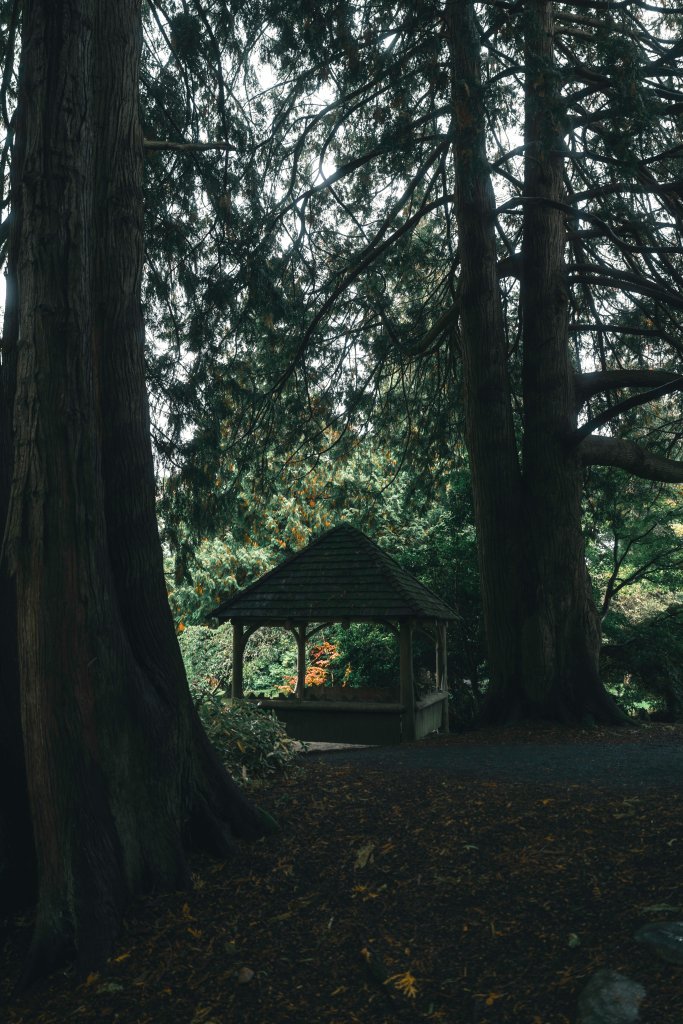
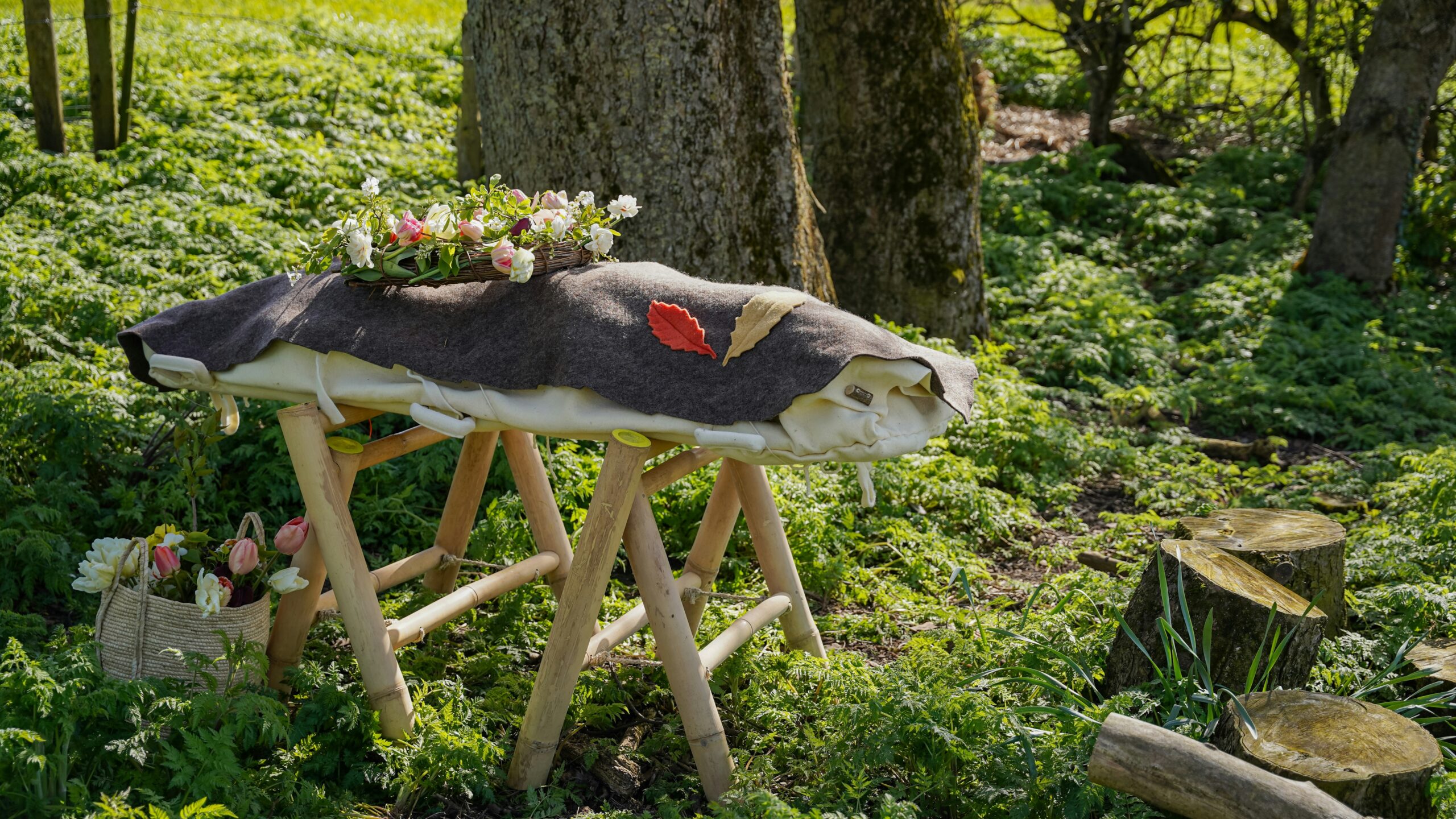
A beautiful celebration of life doesn’t necessarily require a ballroom. Parks, historic lodges, covered pavilions, beaches, lakes and labyrinths can all provide meaningful settings for remembrance, depending on local regulations and weather. Outdoor locations can also create opportunities for rituals such as walking, planting, sharing stories or scattering cremated remains where legally permitted. With such spaces however, be sure to check permits, accessibility, restroom availability, weather contingencies and any restrictions on food, alcohol, music or memorial activities before committing.
Tell the Venue It’s a Celebration of Life
Don’t assume that a venue will treat a memorial exactly like a wedding. When you call, explain what you’re planning: the approximate number of guests, the desired date and time, whether you’ll need food or audiovisual equipment and whether there will be a ceremony or other formal elements.
Ask About Cancellations
Even the most booked venue occasionally has a cancellation. Ask whether the venue maintains a cancellation list and whether it can contact you if another event falls through. If your date is flexible by even a day or two, mention that. It can also be worth asking about spaces that become available because another event has changed its size. A large wedding may no longer need a particular room, creating an unexpected opening.
Don’t Forget Churches and Temples
Religious buildings remain another possibility, particularly those with fellowship halls, meeting rooms or community spaces. Not every family wants a religious service, but many churches, temples and other houses of worship have flexible gathering areas that can accommodate secular celebrations of life. Ask specifically about whether the space can be used for a nonreligious memorial and what restrictions may apply.
When families are grieving, finding a beautiful place to gather can feel like one more impossible task. But by widening the search, adjusting the timing and talking directly with venues, there may be more possibilities than the standard event calendar suggests. A celebration of life is ultimately about creating room for people to remember, mourn and support one another. Sometimes, that room is a ballroom. Sometimes it’s a restaurant, a garden, a community hall or a quiet place beside the water. The setting matters, but what happens there matters more.
May We Suggest:
 What Is Songs for Life? (Interview)
 What Is Senior-friendly Technology And How Is It Beneficial For Older Adults? (Interview)
 What Is The Benefit of A Member Owned Cooperative Funeral Home? (Interview)




Leave a Reply