


‘All Downhill from Ashland’Wynonna Judd earns her first primary songwriting credits, opens up about family heartbreak, and reinvents her sound on her first studio album since her mother Naomi’s death
Anyone watching the Judd family from afar would think they had it all: good looks, fame, fortune and incredible generational talent. But Wynonna Judd’s new album “The Hard Truth” reveals that there was incredible darkness behind the “sparkly and wholesome narrative” — Judd’s words, from a New York Times interview — pushed by her mother,…

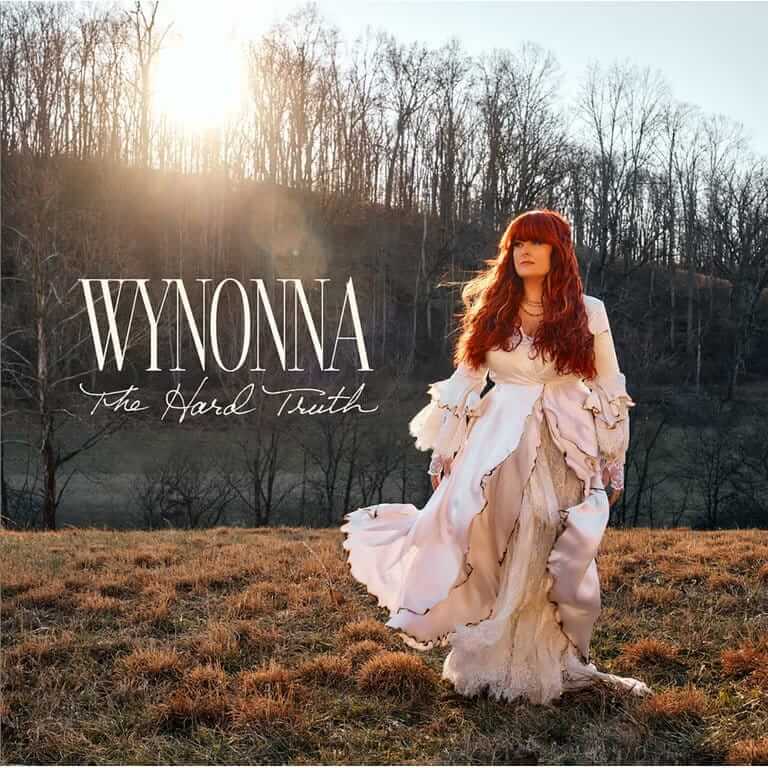
Anyone watching the Judd family from afar would think they had it all: good looks, fame, fortune and incredible generational talent. But Wynonna Judd’s new album “The Hard Truth” reveals that there was incredible darkness behind the “sparkly and wholesome narrative” — Judd’s words, from a New York Times interview — pushed by her mother, singing partner, and bandmate Naomi Judd.
In her first studio album since Naomi Judd committed suicide in 2022, Wynonna Judd has crafted a tribute to sorrow, heartbreak and perserverence in defiance of that narrative. Raw vocals paired with a stripped-down production by collaborator, drummer and husband Cactus Moser lend a sense of intimacy to the songs in which she lays bare some of the Judd family’s darkest secrets. In particular, the song that opens the album, “All Downhill from Ashland,” sets the tone for how Judd has found acceptance by setting loose the skeletons in the family closet.
‘All Downhill From Ashland’
Wynonna Judd wrote or co-wrote nine out of the album’s ten tracks — a first for Judd, who admits that she had feared being so vulnerable in the past. “I’ve wanted to write before, but I was either ignored – not heard – or afraid,” Judd told the New York Times. “Afraid of being so vulnerable. Afraid of going against my mother and the sparkly and wholesome narrative she wanted told.”
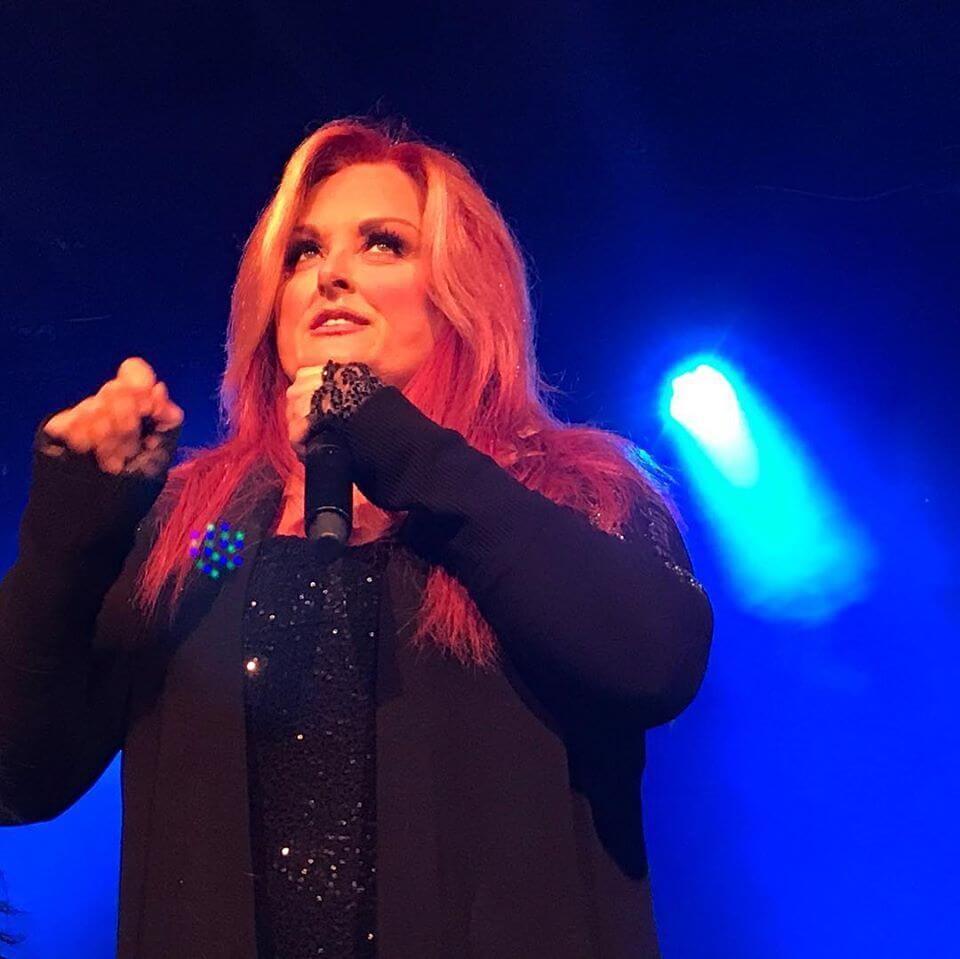
That wholesome narrative, as we’ve learned in dribbles and drabs since Naomi’s death, was a carefully orchestrated facade. As Judd explains, she wasn’t able to be fully honest with the public about what was going on with her mother, who suffered from depression and borderline personality disorder. “I had to keep the secret,” she said. “The suicidal ideation and all that.”
“All Downhill from Ashland” is Judd singing directly to her mother, alternately lashing out and lamenting all the pain that has come from keeping so many secrets. In the opening lyrics she sings:
“Hey, hey Mama can you hear me now
I’m far from Heaven but I’m screaming loud
You held the curse from your mama’s hands
For me to wear around me like a family brand”
As she’s explained in several subsequent interviews, the generational “curse” she’s referring to is mental illness, and she’s determined to break the cycle by speaking out honestly about all that she suffered.
How Writing “The Hard Truth” Helped Process Her Grief
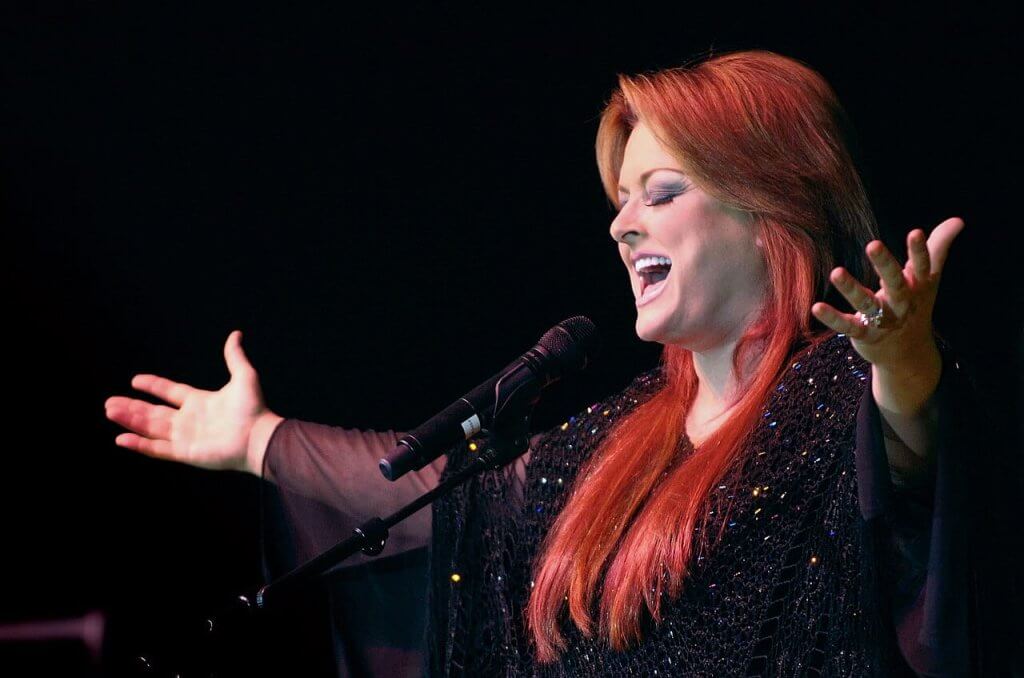
In particular, Judd has said that one verse was incredibly difficult to write and sing, laced with truth that felt revelatory:
“Well times were simple when we would sing
It felt like prayer and now it feels like pain
Forgiveness comes in heavy ways
I love you, I need you, I hate you some day”
This vacillation of emotions is something shared by many survivors of suicide, whose grief is often incredibly complex. “That [verse] was really painful,” Judd said in an interview with Taste of Country. “But the truth is, I really hate what she did. I really do. And I’m angry.”
But writing the album was a journey of self-discovery, helping Judd process those complex emotions and work towards a level of acceptance.
When asked if she could have released an album like this if Naomi were still alive, Judd admits that she’ll never know. “She would have gone crazy, probably, because she was so full of shame,” she told Taste of Country. “She made a really bad decision [to keep everything secret]. I would love to talk about it. I’m for reconciliation and forgiveness – now. Then, I was more angry than I am now. I’ve made some real good peace about all of this.”
Who Should Listen
“All Downhill from Ashland” is remarkably raw and filled with expressions of grief and regret. For anyone who has recently lost someone, that can be either cathartic or overwhelming. The song is, in a way, a defiance of those feelings, with Judd raging against the injustice of it all, which could help someone who is feeling similarly angry. It’s a good listen for someone who feels the need to “get it out,” but might be difficult for someone struggling with their grief.
Buy This Album
Buy this album from Amazon. We earn a small commission at no cost to you.
As an Amazon Associate, we earn from qualifying purchases.
EDITOR’S NOTE: If you are in immediate danger or experiencing thoughts of suicide, please seek help immediately. In the United States you can call or text 988, or contact your local emergency services. If you are outside the United States, please contact a suicide prevention hotline or emergency service in your country.
May We Suggest:
 De-Stigmatizing Suicide and Suicide-Loss Survivors’ Grief (Interview)
 As Life Expectancy Increases, More Seniors Find the Idea of “Rational Suicide” Comforting
 Golden Gate Bridge’s Death Count Plummets, Thanks to New Suicide Barrier
-

What makes Wynonna’s story so powerful is her willingness to acknowledge that grief isn’t always filled with beautiful memories and sadness. Sometimes it carries anger, resentment, unanswered questions, and truths we’ve spent a lifetime trying to bury. Losing someone doesn’t erase the complicated parts of our relationship with them. I admire her courage in giving those emotions a voice through music. Perhaps healing isn’t about making peace with everything that happened, but allowing ourselves to feel the full truth of our grief without guilt or shame.




Leave a Reply