

‘The Life We Leave’A documentary that shows human composting as an environmentally conscious alternative to traditional burial and cremation, and asks whether returning our bodies to the earth means leaving behind some of the rituals that make saying goodbye meaningful
Death is one of life’s few certainties, yet many of us spend very little time considering what happens to our bodies after we die. Traditional burial and cremation have long been the most familiar options, but what if there were another way to return to the earth? In the documentary “The Life We Leave,” director…

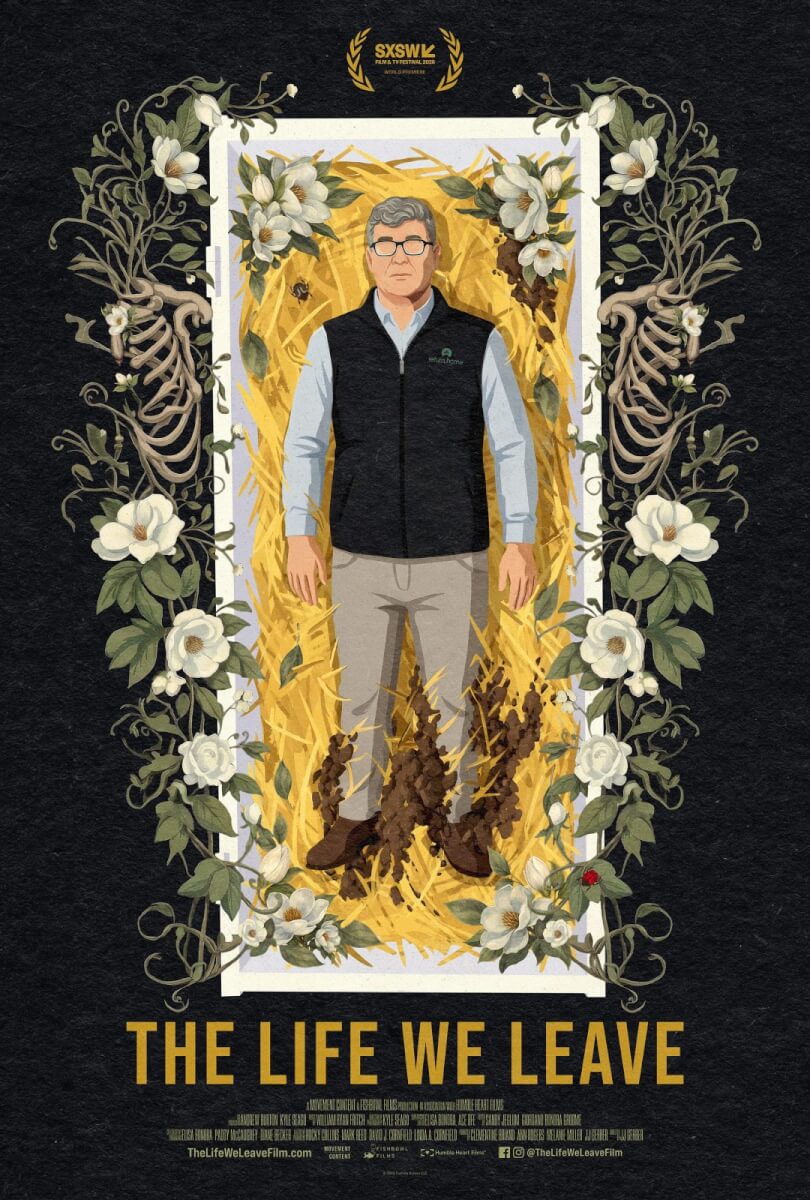
Death is one of life’s few certainties, yet many of us spend very little time considering what happens to our bodies after we die. Traditional burial and cremation have long been the most familiar options, but what if there were another way to return to the earth? In the documentary “The Life We Leave,” director JJ Gerber explores the emerging practice of human composting, an alternative that challenges conventional ideas about death, environmental responsibility and the ways we say goodbye.
The film follows entrepreneur Micah Truman as he takes a chance on an unconventional business venture after Washington became the first state to legalize human composting. Truman shares that stepping into this area of death care is no easy feat as he shares that “as an entrepreneur, it’s always a really cool dream and it always gets grittier, and this business is exceptionally gritty”. Alongside funeral directors Brie Smith and Katey Houston, Truman works to establish a large-scale terramation facility, navigating the challenges of introducing an unfamiliar form of death care to an industry rooted in tradition.
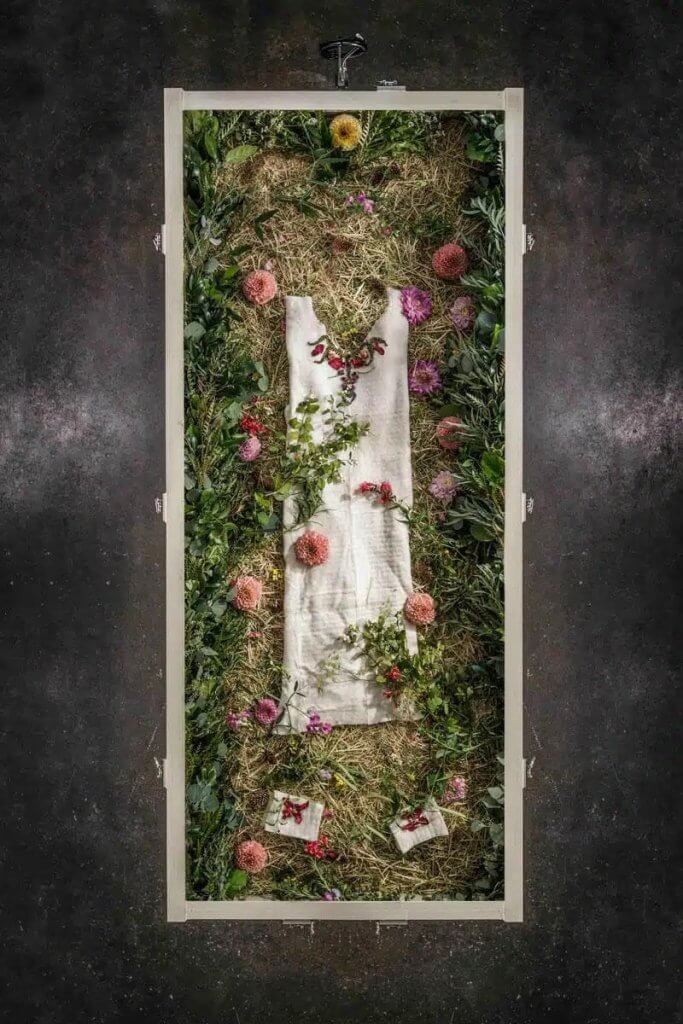
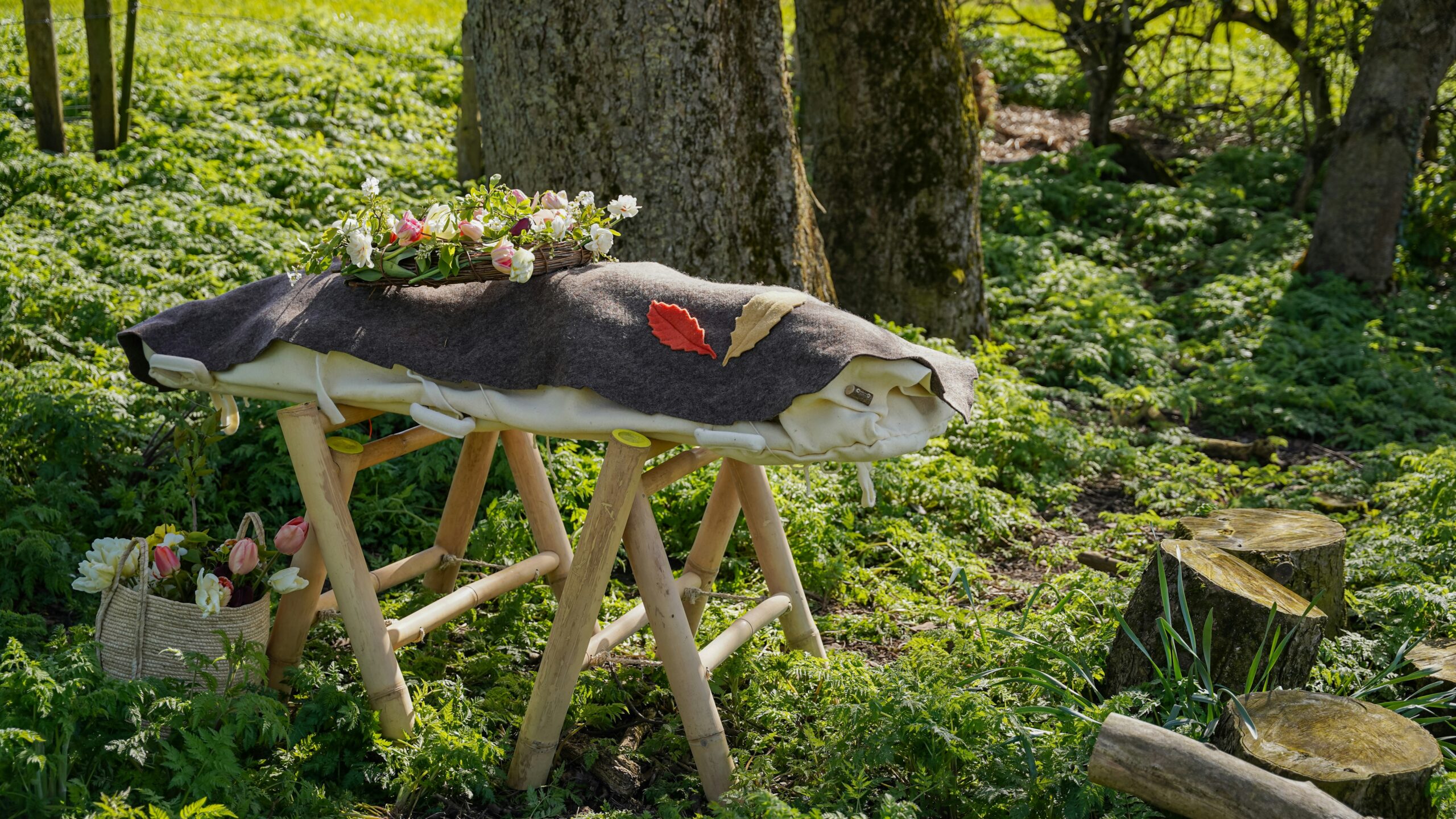
Human composting, also known as natural organic reduction, transforms human remains into nutrient-rich soil through a controlled natural process. The process involves two phases: the initial transformation of the body into soil and a subsequent curing period that allows the material to stabilize. The body is placed inside a specialized vessel with organic materials such as alfalfa, straw and sawdust. Over time, microbial activity breaks down the remains, eventually producing soil that can be returned to families or used to nourish the earth.
The Environmental and Emotional Costs of Letting Go
Traditional burial and cremation both have environmental consequences. Conventional burial can involve embalming chemicals, metal or hardwood caskets and concrete burial vaults, while cremation requires significant energy and releases carbon emissions. Human composting offers a different approach, allowing the body to decompose through a controlled process rather than being preserved or burned.
While the documentary addresses these concerns, the most compelling questions raised have less to do with the environment and more to do with the emotional experience of death. For many families, burial provides an intimate opportunity to say goodbye. A cemetery, gravesite or memorial location can become a permanent place to return, reflect and remember. These spaces give grief somewhere to go, even long after a funeral has ended.
Human composting challenges that familiar experience. Although families may receive approximately 500 pounds of soil, the idea of having a loved one’s remains transformed into something that can be scattered, planted or returned to the earth may feel unfamiliar or even unsettling. The film highlights this via the role of funeral directors, particularly Smith and Houston, in making the process more personal. Their involvement demonstrates that introducing a new method of body disposition requires more than specialized equipment. It requires people who understand grief, recognize the vulnerability of families and can help them navigate unfamiliar decisions.
A Different Way to Think About Death
Ultimately, “The Life We Leave” is an interesting and thought-provoking look at an industry attempting to redefine what happens after death. While the business challenges and personal tensions sometimes compete with the film’s broader environmental message, its greatest strength is its willingness to explore a subject that many people would rather avoid.
For viewers interested in alternative burial practices, environmental sustainability or changing attitudes toward death, this documentary offers an opportunity to reconsider the choices available to us. It may be particularly useful for people beginning to think about their own end-of-life wishes or families exploring alternatives to traditional burial and cremation. For someone recently experiencing a loss, however, some of its more unfamiliar imagery and discussions of body disposition may be difficult to process. Still, the film offers an important reminder that there is no single right way to say goodbye.
May We Suggest:
 The New Immortality: Shifting Attitudes About Death, Our Bodies and the Environment
 Everything You Need to Know About Legally Scattering Cremation Ashes in the United States
 Composting Bodies Is Now Legal in 14 States


Leave a Reply