

No categories found for this post.
Can I Hold a Home Funeral Prior to a Green Burial?
Home funerals are a natural precursor to a green burial. During a typical home funeral, the family washes and cares for the body after death and preserves it using dry […]
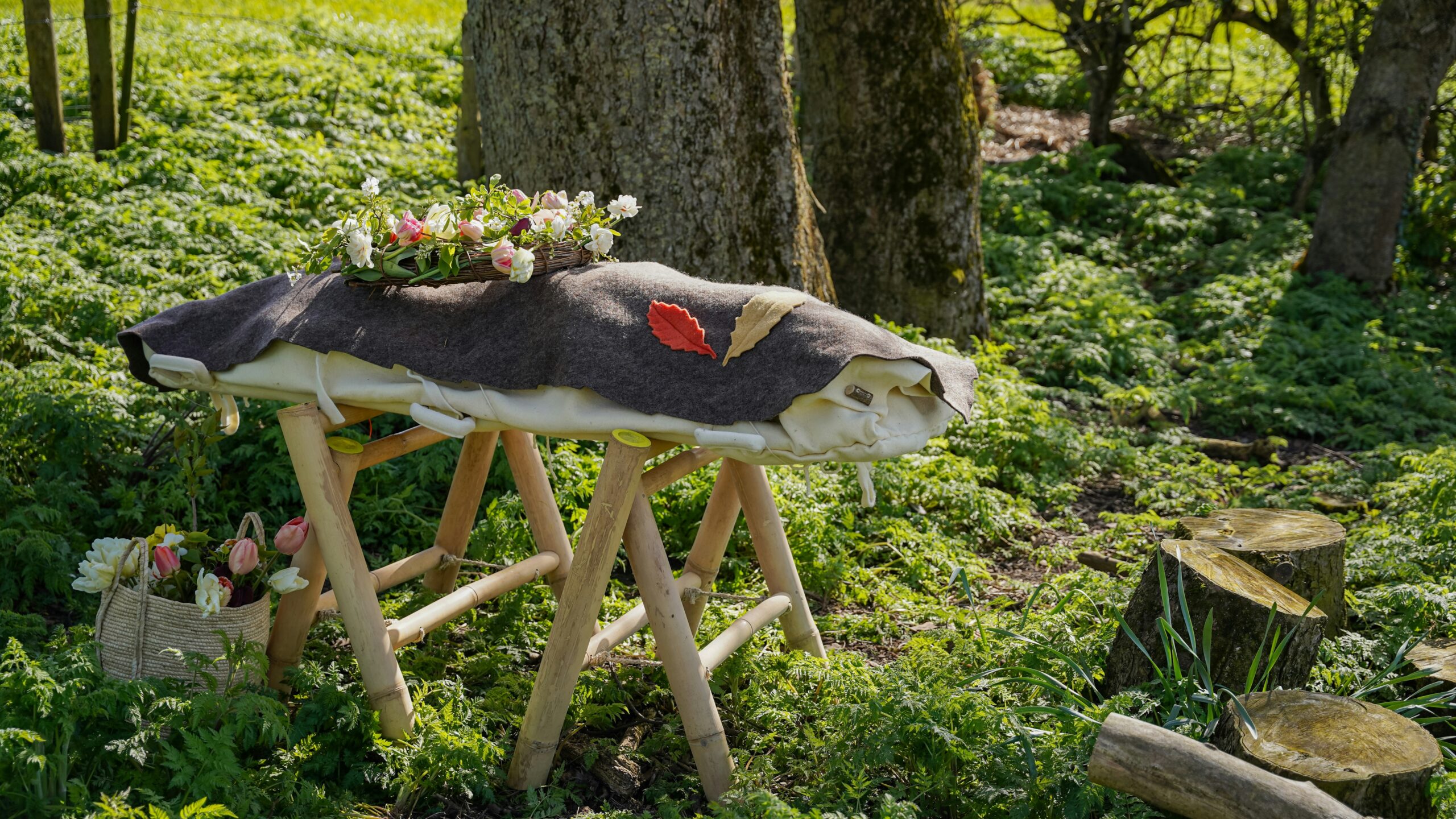
Home funerals are a natural precursor to a green burial. During a typical home funeral, the family washes and cares for the body after death and preserves it using dry ice, gel packs or both. Friends and loved ones then come to the home to gather together and pay their last respects. Under most circumstances, the body can be kept at home for several days or longer if appropriate techniques are used. See “How Can I Prevent Decomposition?” for specific instructions on how to accomplish this.
Like natural burial, home funerals are legal in all 50 states. However, you may need to involve a funeral director in certain parts of the process, such as filing the death certificate or obtaining a burial transfer permit. With that being said, you may wish to enlist the help of a funeral director or home funeral guide to help you make arrangements with the cemetery or assist in transporting your loved one’s body to the grave, even if that isn’t required by law. Handling these logistical tasks can be challenging, and you may wish to use your energy planning a meaningful graveside service[link to question about green burial service] instead.
If you are considering a natural burial on private property, there may be legal ramifications to your decision that you should be aware of before you proceed. Most states have no laws restricting burial on private property, but California, Washington and Indiana currently prohibit it. (The laws in California are ambiguous, however, so it may be possible depending on where you live.) Further, many local municipalities limit where bodies can be buried, and may refuse to issue a burial permit if they disapprove of your choice. You may need to work with an attorney to get the permissions you need.
Know, too, that your ability to sell your property may be affected if you bury a body there. According to California attorney Barry Vogel, you will be legally required to append a “Notice of Unusual Circumstance” to the title that explains that a person is buried on the property and where (for example, 100 feet from the northern border and 100 feet from the eastern border) A prospective buyer may accept the special circumstances, but they might also try to negotiate a lower price as a result. Additionally, you might need to negotiate an easement for family members to visit the gravesite after the property is sold.