

No categories found for this post.
Do Bones and Teeth Decompose During the Human Composting Process?
Bones and teeth present a unique challenge in the human composting process due to their resilient mineral composition of phosphorus and calcium, two of the strongest elements in the body. […]
Bones and teeth present a unique challenge in the human composting process due to their resilient mineral composition of phosphorus and calcium, two of the strongest elements in the body. Before bones and teeth can break down like the rest of the body, they need to be broken down into smaller pieces.
During the initial five to seven weeks of composting, the body will gradually transform into soil, leaving only teeth, bones, and inorganic matter in a solid state. At Recompose, the first company to bring human composting to market, the soil is screened to identify solid remnants at approximately the one-month mark. Bones and teeth are removed and then transitioned to specialized equipment that breaks them down into smaller fragments, making them more porous. After the bones and teeth are the appropriate size, they are reincorporated into the soil and set to cure for several weeks. Their porosity makes these pieces more susceptible to natural decay by the microbial activity associated with composting. As time progresses, these fragments will eventually dissolve completely.
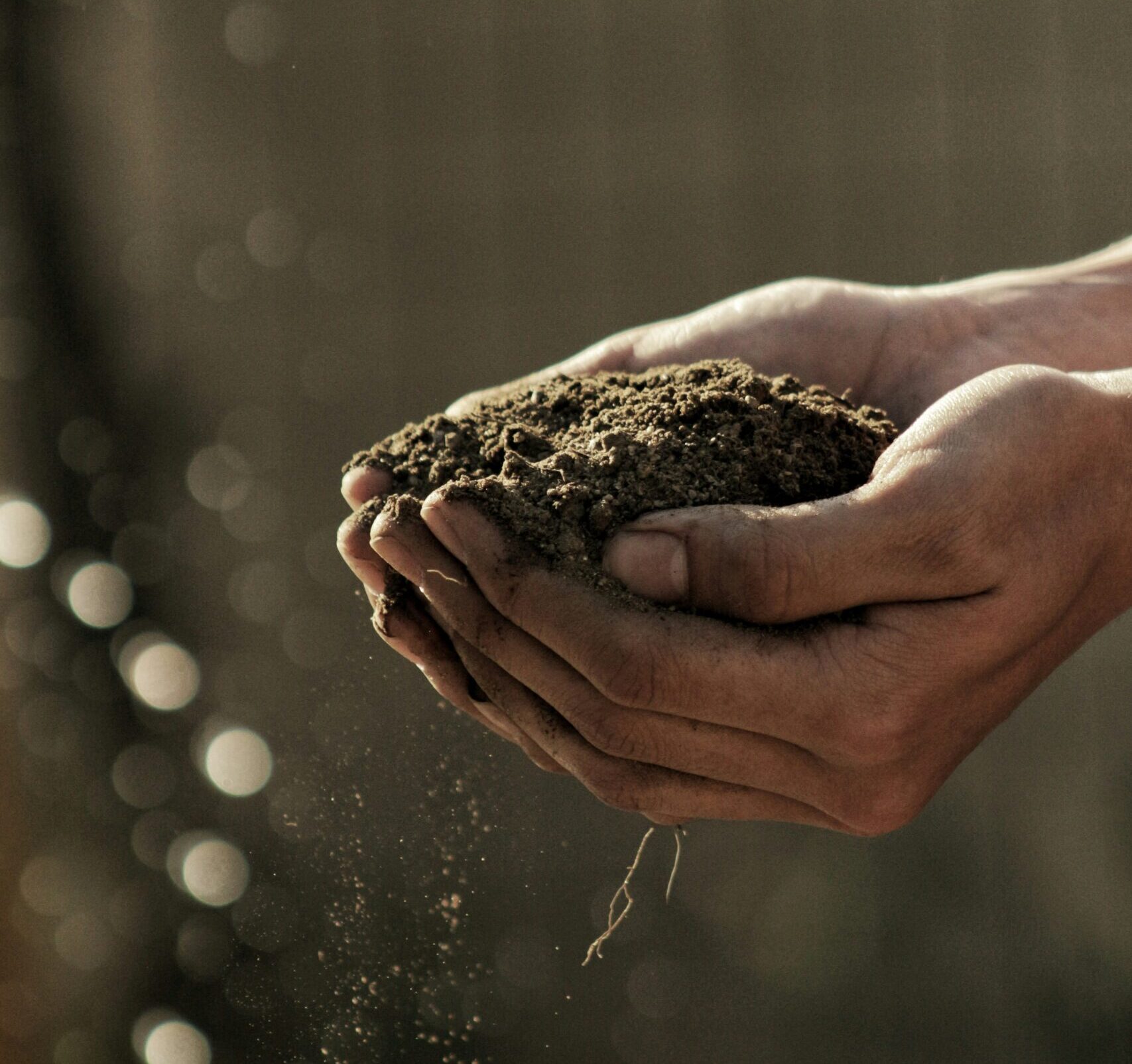
The reintroduction of the bones and teeth at this point of the composting process helps to enrich the soil further. The phosphorus and calcium present in these elements are released into the soil. This creates a more nutrient-dense environment for plant growth. Slow decomposition of these components provides sustained release of nutrients, ensuring long-term benefits for the soil. These minerals enrich the soil and enhance the structural integrity and vitality of the plants and flowers that will grow in this environment.
Ultimately, human composting is a practice of recycling life to foster new growth and can serve as a testament to the cycle of nature by transforming the end of one life into the beginning of another.
Sources
“Inside one of the world’s first human composting facilities”. The Verge. https://www.theverge.com/c/23307867/human-composting-process-return-home
“Human Composter Explains What They Do With Your Bones When You Die”. Lad Bible. https://www.ladbible.com/community/human-composter-explains-what-they-do-with-your-bones-when-you-die-20220425
“A literal return to the earth’: is human composting the greenest burial?” The Guardian. https://www.theguardian.com/us-news/2021/aug/12/california-human-composting-death-pollution