

No categories found for this post.
How Do Green Burials Minimize Risks of Contamination to Groundwater and Soil?
Unlike traditional burial methods that emphasize the use of embalming and non-biodegradable caskets, green burials minimize the risk of contaminated groundwater and soil by avoiding harmful chemicals, using biodegradable materials, […]
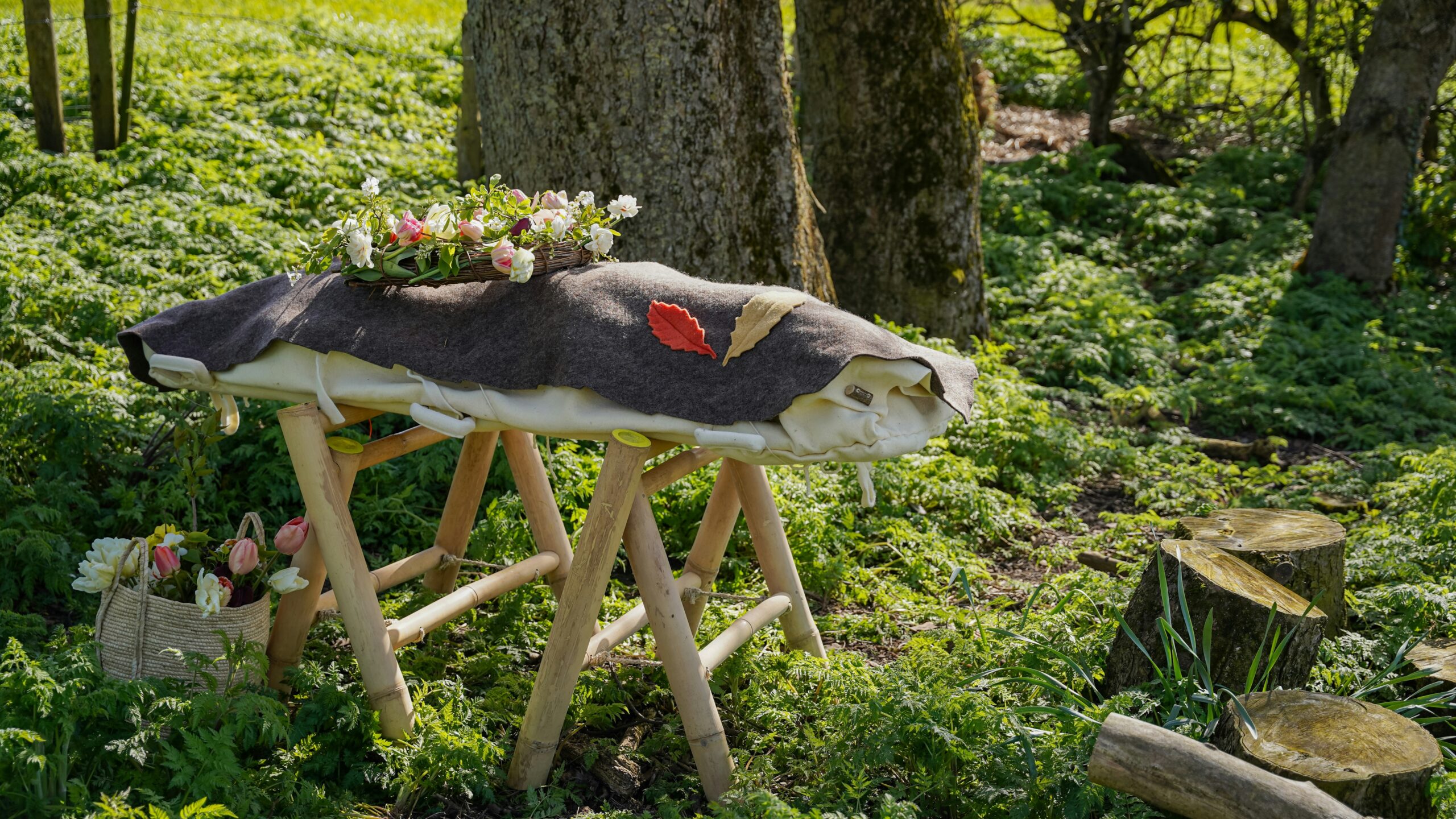
Unlike traditional burial methods that emphasize the use of embalming and non-biodegradable caskets, green burials minimize the risk of contaminated groundwater and soil by avoiding harmful chemicals, using biodegradable materials, and encouraging natural decomposition. Embalming fluids, varnishes, and metal components of caskets all have the potential to leach into groundwater and soil over time. Cement used in burial vaults, while not toxic in itself, relies on resource-intensive mining and manufacturing processes that contribute to carbon emissions. In an effort to preserve nature and protect its habitats and wildlife, these elements are generally eliminated in the preparatory and funerary processes at natural burial grounds.
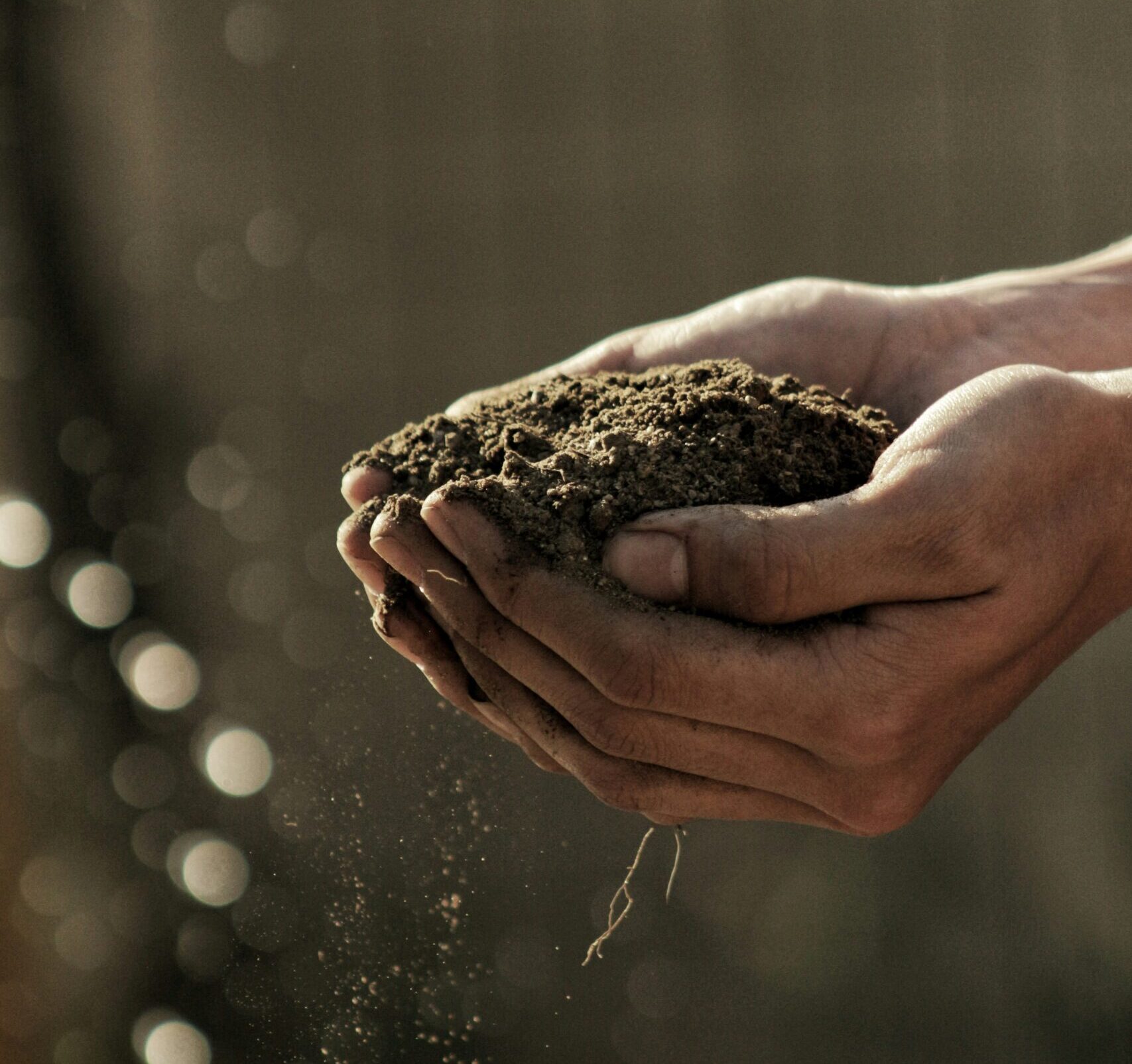
Soil also acts as a filter for buried bodies or items that are buried with the body. The degree of filtration can vary based on the characteristics of the soil and whether clay or other organic matter is present. For green burial, important variables to achieve ideal soil conditions include salt levels, alkalinity, soil texture, the presence and depth of bedrock, and other elements. The body itself is fully biodegradable and will eventually degrade into the soil, which will typically become sterile over time. Aside from the chemicals and medications already released during decomposition, without embalming fluids present, the body is unlikely to leach other harmful compounds or chemicals into the ground.
Most green burial grounds, including hybrid, natural, and conservation cemeteries, follow strict guidelines to maintain environmentally sound practices that protect the surrounding ecosystem. These are often based on certification standards set by organizations like the Green Burial Council, and they also comply with applicable state and local public‑health or environmental rules. For example, many limit what materials can be brought onto the grounds or how bodies can be buried. Some also have specific requirements regarding only using non‑toxic landscaping products and emphasize efforts to protect water sources such as lakes and rivers. In particular, conservation burial grounds, which are often joint ventures with land‑trust organizations, have the added aim of permanently protecting the land from development, thereby helping to safeguard the environment from contamination. By adhering to these guidelines and practices, green burial grounds are able to minimize the risk of contamination from burial sites and general upkeep of the grounds.
Sources
“Rest in Peace, Not Pollutants: Green Burials Say ‘No Thanks’ to Chemicals in the Grave”. ecoRI News. https://ecori.org/rest-in-peace-not-pollutants-green-burials-say-no-thanks-to-chemicals-in-the-grave/
“Going out Green: Four Ways to Ensure an Eco-Friendly Burial”. Green Burial Council. https://www.greenburialcouncil.org/ensure_eco-friendly_burial.html
“Green (Natural) Burial Frequently Asked Questions”. Peaceful Passage at Home. https://peacefulpassageathome.com/green-natural-burial.html
“Grave Science Soil and Water”. Green Burial Council. https://www.greenburialcouncil.org/grave_science_soil_water.html
“6 Myths About Green Burial”. Morgan Oaks Eternal Preserve. https://www.morganoaksgreenburial.com/2022/09/01/6-myths-about-green-burial/