No categories found for this post.
What Are the Three Types of Green Burial Sites?
All green burial sites are similar, but not the same. The Green Burial Council designates three levels of green burial sites, each of which has slightly different requirements and characteristics. […]
All green burial sites are similar, but not the same. The Green Burial Council designates three levels of green burial sites, each of which has slightly different requirements and characteristics. They are:
- Hybrid grounds: Hybrid burial grounds are a mix of traditional cemetery and green burial site. In a hybrid burial ground, a portion of the land is set aside for unembalmed bodies and biodegradable caskets or shrouds. The cemetery must agree not to require concrete liners in the area designated as a green burial site.
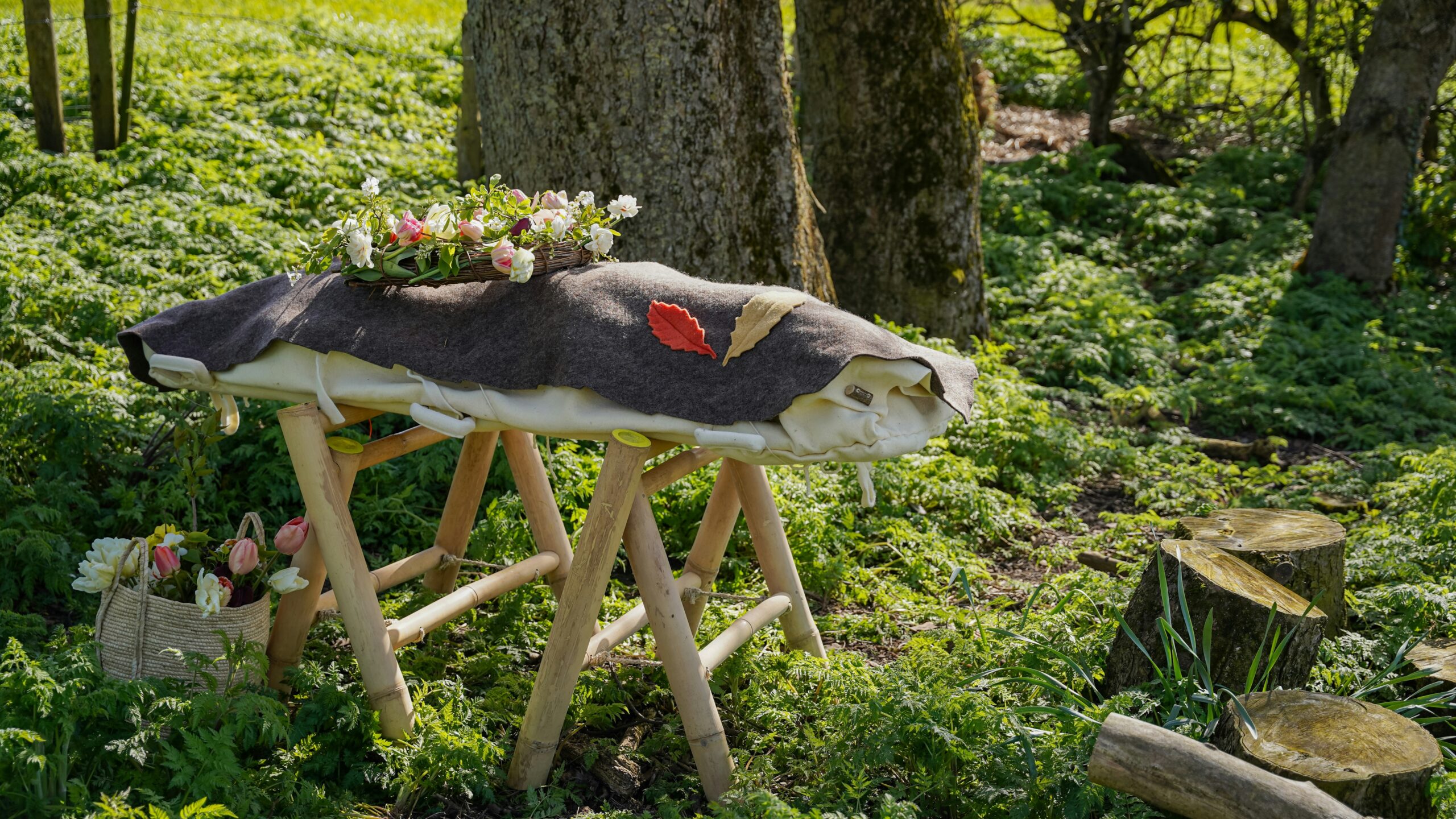
- Natural burial grounds: A natural burial ground does not accept embalmed bodies and only allows biodegradable materials to be buried in the ground. Concrete vaults and grave liners are prohibited. Additionally, the owners of the cemetery must agree to maintain a “natural appearance” at the site, using native plants and materials.
- Conservation burial grounds: These burial sites meet all the criteria of a natural burial ground, but they also further land conservation by maintaining the site in its natural state. These sites are typically run by an independent conservation organization, such as a land trust, that holds a conservation easement or deed that guarantees long-term stewardship of the land. Much of the funding received from conducting burials goes towards maintaining the land, thus conservation burial sites can be a useful tool in furthering the cause of land conservation in perpetuity.
Generally speaking, however, most natural cemeteries and conservation burial grounds look very much alike. Because they seek to preserve the natural ecosystem, there are no lush, manicured lawns or professionally landscaped grounds. Instead, the landscape typically consists of native plants, trees and shrubs. Graves are usually marked with a plain wooden plaque, unpolished stone or a native plant or tree. In fact, some natural and conservation burial sites prohibit grave markers entirely and mark gravesites using GPS coordinates and an RFID chip instead.
Hybrid burial sites, on the other hand, may look more like a conventional cemetery, and may use electric or gas-powered equipment to maintain the grounds. Some of the graves will be marked with traditional headstones, and the landscaping may include lawns and non-native plants and trees.