

No categories found for this post.
What Is the Environmental Impact of Cremation Compared With In-Ground Burial?
Understanding the differences in the environmental impact of flame cremation and in-ground burial is important when considering final arrangements. It is worth noting that these two processes are not always […]
Understanding the differences in the environmental impact of flame cremation and in-ground burial is important when considering final arrangements. It is worth noting that these two processes are not always mutually exclusive, as cremation often follows embalming and viewing, and cremated remains are frequently buried.
Since cremation typically involves combustion and incineration, it releases carbon dioxide and other harmful greenhouse gases into the atmosphere, which can be damaging to the environment and people who are exposed to the pollution. It has been estimated that the fuel usage for one cremation is equivalent to 20 gallons of gas, or providing power for a 2000 square foot home for a week. Numerous variables influence the danger of emissions. These include:
- the type of cremation container used
- the age of the cremation equipment and how it is maintained
- the number of cremations conducted per day
- the presence or absence of implants in the body during cremation
In-ground burial also has a negative impact on the environment. Since most bodies are embalmed with traditional burial practices, the chemicals in the embalming solution may leach into the soil and groundwater. One estimate suggests that the ground is exposed to around 800,000 gallons of formaldehyde per year due to traditional burial practices, and this excludes other toxic substances such as phenol. Additionally, most caskets are made of non-biodegradable materials. This can contribute to issues such as depletion of natural resources, deforestation, and overcrowding the land with materials that may not degrade for decades or longer. As an example of the depletion of natural resources, US cemeteries bury over 30 million board feet of hardwood annually.
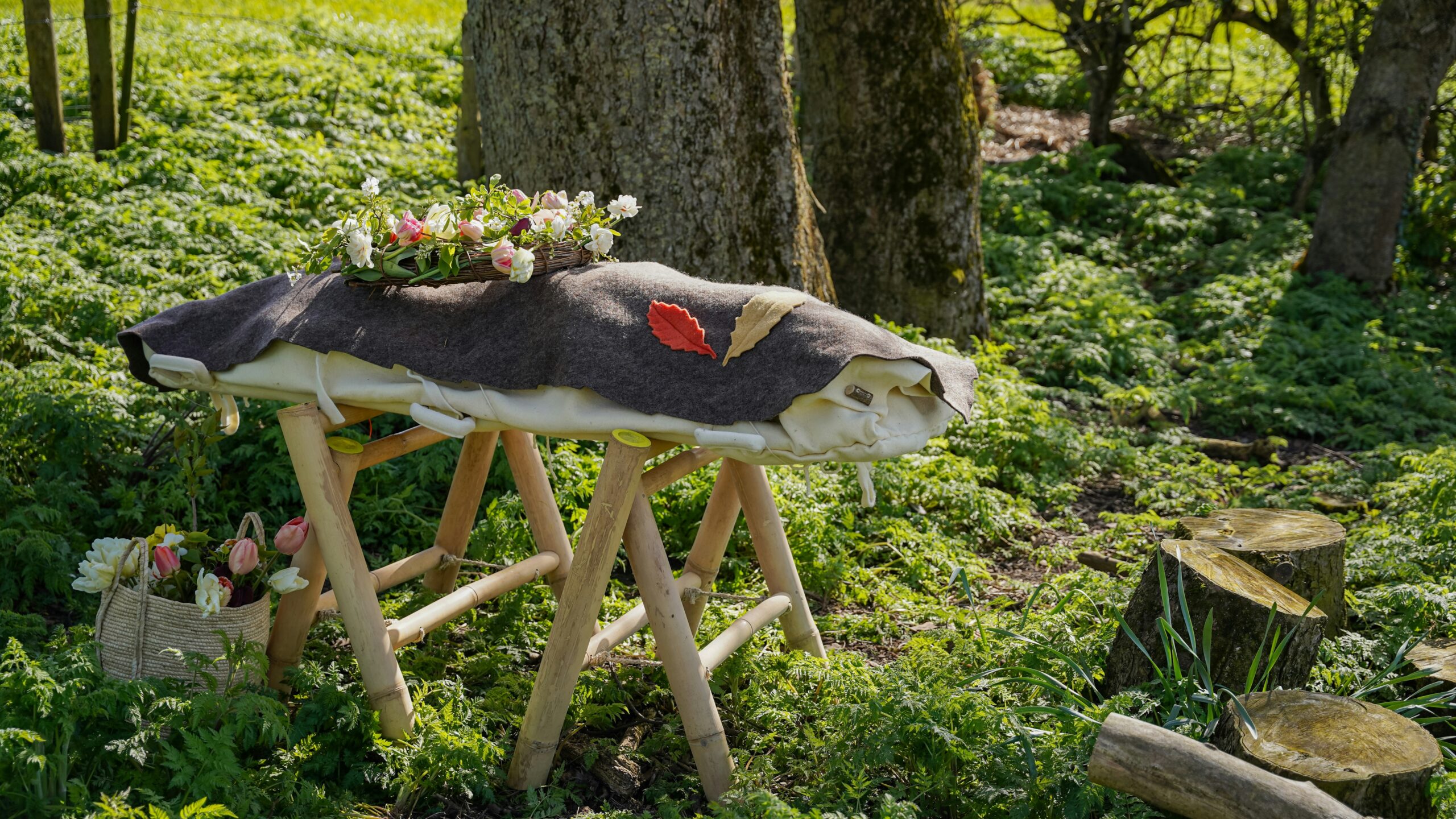
Since cremation and in-ground burial both have detrimental effects on the environment, looking to alternatives and making adjustments to common practices can help offset the impact. This may mean opting for more sustainable alternatives like water cremation (alkaline hydrolysis) or electric cremation, skipping embalming, using biodegradable funeral caskets and urns, or selecting natural and conservation burial grounds. Ultimately, examining personal preferences and values in relation to environmental concerns is essential when planning for final arrangements.
Sources
“Environmental Impact of Cremation”. Cremation Association of North America. https://www.cremationassociation.org/blog/environmental-impact-of-cremation
“Why Conventional Burial Harms the Environment”. Milton Fields. https://miltonfieldsgeorgia.com/conventional-burial-harms-environment/
“Green Burial & Other Environmentally Friendly Choices”. Funeral Consumers Alliance. https://funerals.org/get-help/green-options/