


Death Doula Featured on “The Pitt”The new, highly acclaimed medical drama “The Pitt” tackles death head-on and brings the death doula role to the forefront of popular culture
The Pitt is not afraid to tackle difficult topics, such as death and end-of-life decisions. This is made quite clear when, in Season 2, Episode 5, Lena — who typically […]
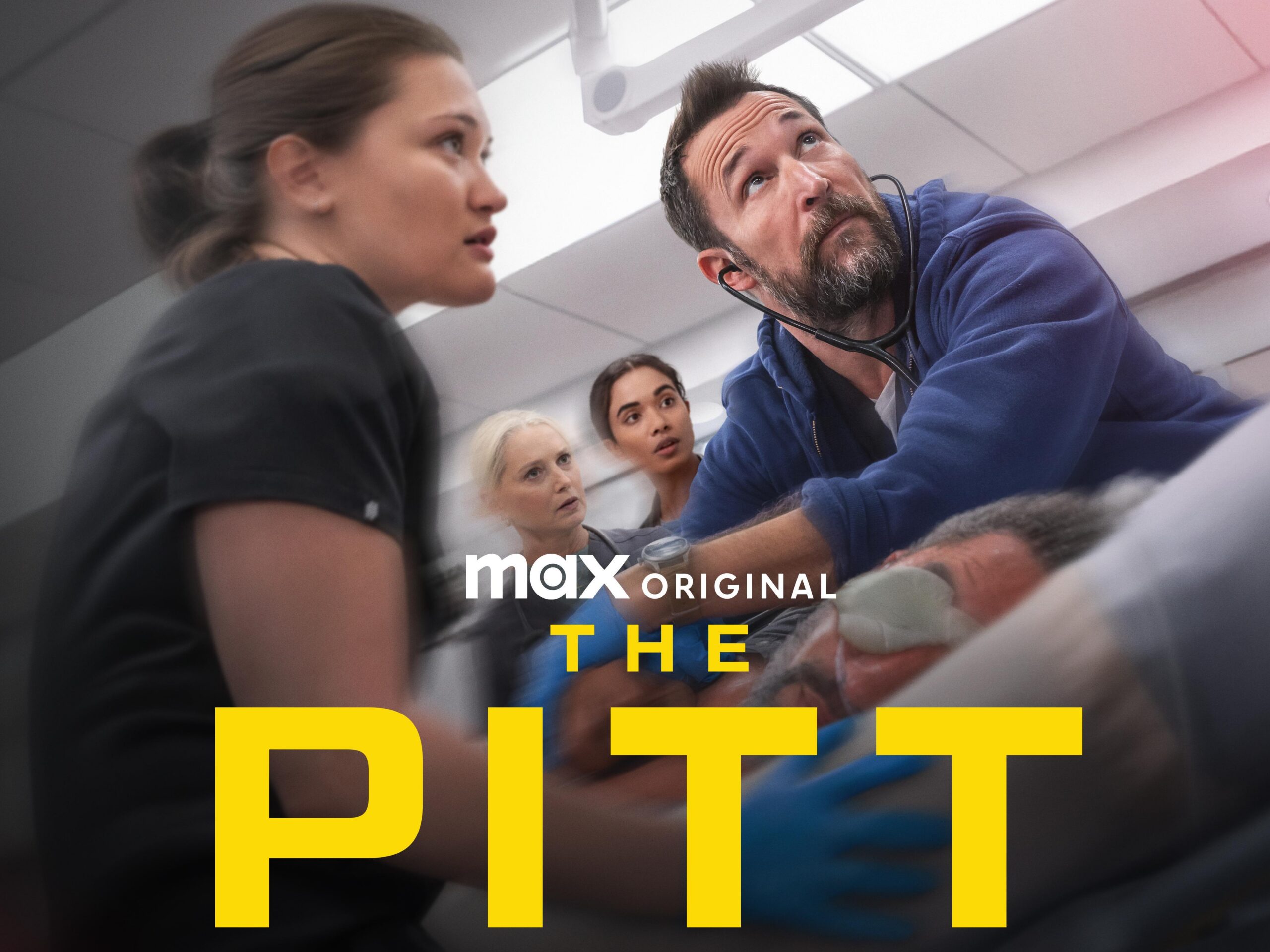
The Pitt is not afraid to tackle difficult topics, such as death and end-of-life decisions. This is made quite clear when, in Season 2, Episode 5, Lena — who typically serves as a night charge nurse — surprises the Pitt staff by showing up in her street clothes during the day. When she’s asked what she’s doing there, she explains that she is a death doula for Roxie, a woman with terminal lung cancer who has broken her leg. She advocates on Roxie’s behalf, gathering things she would need at home, like a wheelchair, and advocating with doctors to get her additional pain medication.
What Is a Death Doula’s Role?
A death doula, sometimes referred to as an end-of-life doula or a death midwife, is much like a birth doula, but for the final journey rather than a person’s beginnings. Sometimes a patient hires one, and at other times the patient’s family does.
Death doulas are non-medical support people for those facing terminal illness. They provide a compassionate presence, ensure comfortable surroundings, assist with end-of-life planning, advocate for patients, and may support legacy projects.
Proliferation of the Death Doula
The formal designation of “death doula” is a relatively new phenomenon. According to the Global Doula Project, “While deathwork has been around since the beginning of time, the concept of death doulas emerged in the early 2000s as part of the broader movement to reclaim and personalize end-of-life care.”
In 2011, SevenPonds staff found only one death doula in New York City. Now, death doulas have gained enough recognition to work in hospitals or in tandem with them, as well as to serve as an additional resource in conjunction with hospice and other palliative care settings. They may also attend a bedside at home.
In the United States, as of December 2023, the National End-of-Life Doula Alliance (NEDA) counted 1,650 members from all 50 states, the District of Columbia, and Puerto Rico. This stands in stark contrast to the 260 association members in 2019. Growth is expected to continue, and there are now an additional 13 countries where death doula training and alliance membership are offered.
National Training Programs for Death Doulas
While there is no set training requirement or regulatory body for death doulas, there are many national training programs available. Certification is not required to practice as an end-of-life doula.
However, additional opportunities to demonstrate comprehensive knowledge may include proficiency badges and additional certification programs. Some programs that offer certification or proficiency assessments/badges include the International End of Life Doula Association, the National End-of-Life Doula Alliance, and the DNT Network.
How Did the Pitt Ensure Accuracy?
“The Pitt” is known for its efforts to keep things as realistic as possible for a medical drama. While TV shows can only do so much, the show’s creators have gone the extra mile by consulting with people in the field. In fact, executive producer and writer, Joe Sachs, worked “for over 30 years in Northridge Hospital’s Trauma Center, according to The Hollywood Reporter.Despite bringing his own experience with death and dying in a hospital setting, he understands the value of connecting with outside experts. Minnesota Public Radio interviewed Dr. Jacob Lentz, an emergency room doctor in Minnesota who was once a writer in Los Angeles and is a consultant on The Pitt. For subjects surrounding death, and, in particular, the death doula’s purpose, The Pitt’s creators consulted with End Well. The team, in conjunction with USC’s Hollywood, Health, and Society, used End Well’s Palliative Care Tip Sheet as a resource.










Leave a Reply