
-
The Conversation Project Helps You Give the Ultimate Gift This Holiday Season
Download this free tool to help you talk to loved ones and make better end of life decisionsThe Conversation Project has launched a timeless and invaluable gift to share with your loved ones this holiday season. “The Gift” is a tool designed to help families have a conversation about death and dying by sharing what matters most to help you make informed end of life decisions. When you talk with your loved…
/
-
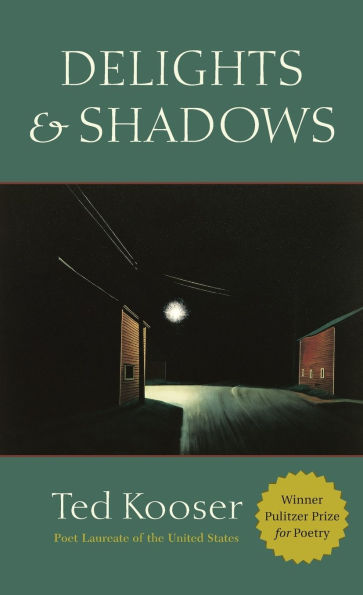
“New Moon”
Ted Kooser’s “New Moon” illustrates how difficult it can be to handle sorrowReading Ted Kooser’s poem “New Moon” got me thinking about when I find the moon most beautiful. I have to say, I don’t think anything tops a brightly-lit full moon that almost makes it seem like it’s not even nighttime; amidst a vast, dark sky, it is still capable of shedding powerful light on everything…
/
-
Art by Grieving Children
The Rays of Hope center uses art to help children grieving after the loss of a loved oneThe Rays of Hope Children’s Grief Centre in Texas helps children grieving after the loss of a loved one, experiencing divorce, or coping with an incarcerated parent. The counselors at the Rays of Hope are aware that sometimes these traumas can be difficult to talk about. So, to help the children express their grief, they…
/
-
Dying to Do Letterman by Joke Fincioen and Biagio Messina
Steve Mazan encourages others to chase their dreams, ‘or die trying’ in this filmAt age 35, ten years into his career, comedian Steve Mazan learned he had cancer and might have only five years to live. “The doctors told us [Mazan and his wife Denise], ‘Look, the tumors are slow-growing,’ Steve told Laughspin in 2009. ‘If everything goes okay, you could still live 10 to 15 years with this.’”…
/
-
“Don’t take life too seriously. You’ll never get out of it alive.”
-Elbert HubbardPhoto Credit: Blogspot
/
-

Re-Thinking How Our Culture Experiences the Cemetery
Using your memorial to add beauty to the worldIn addition to our growing inclination towards contemporary practices like cremation and green burial, there is one simpler way for us to re-imagine the cultural staple that is the cemetery. What if we see the grounds as a gallery of art? As The Daily Undertaker explains, “Art and cemeteries are a good combination because art…
/
-
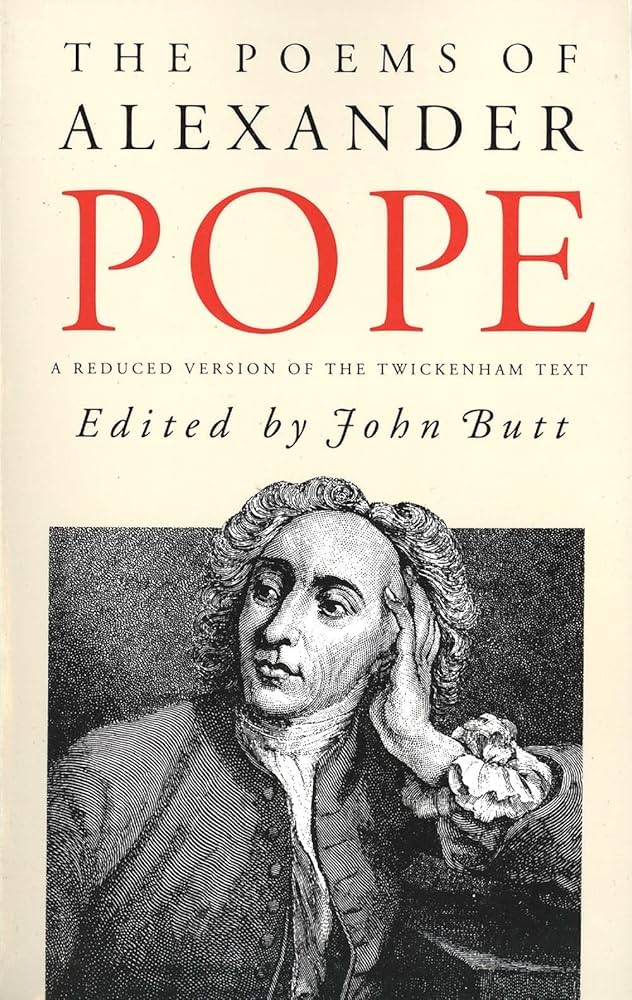
“The Dying Christian to his Soul”
Alexander Pope’s “The Dying Christian to his Soul” offers a Christian take on deathAlexander Pope was highly religious (he was Catholic, despite living in England during an era that was very anti-Catholic), so it’s not surprising that his piece, “The Dying Christian to his Soul,” is filled with spiritual references. As its title suggests, the poem centers on a dying individual that is addressing his soul directly, and…
/
-
The Significance of John Everett Millais’ “Ophelia”
The artist’s nineteenth-century painting still conveys an important message todayShakespeare has inspired countless artists, and painter John Everett Millais is no exception. His famous “Ophelia” painting was inspired by Hamlet, in which Hamlet’s lover, Ophelia, goes insane with grief after she discovers that Hamlet has murdered her father; in her distraught state, she eventually falls into a brook and drowns. However, in her announcement of…
/
-
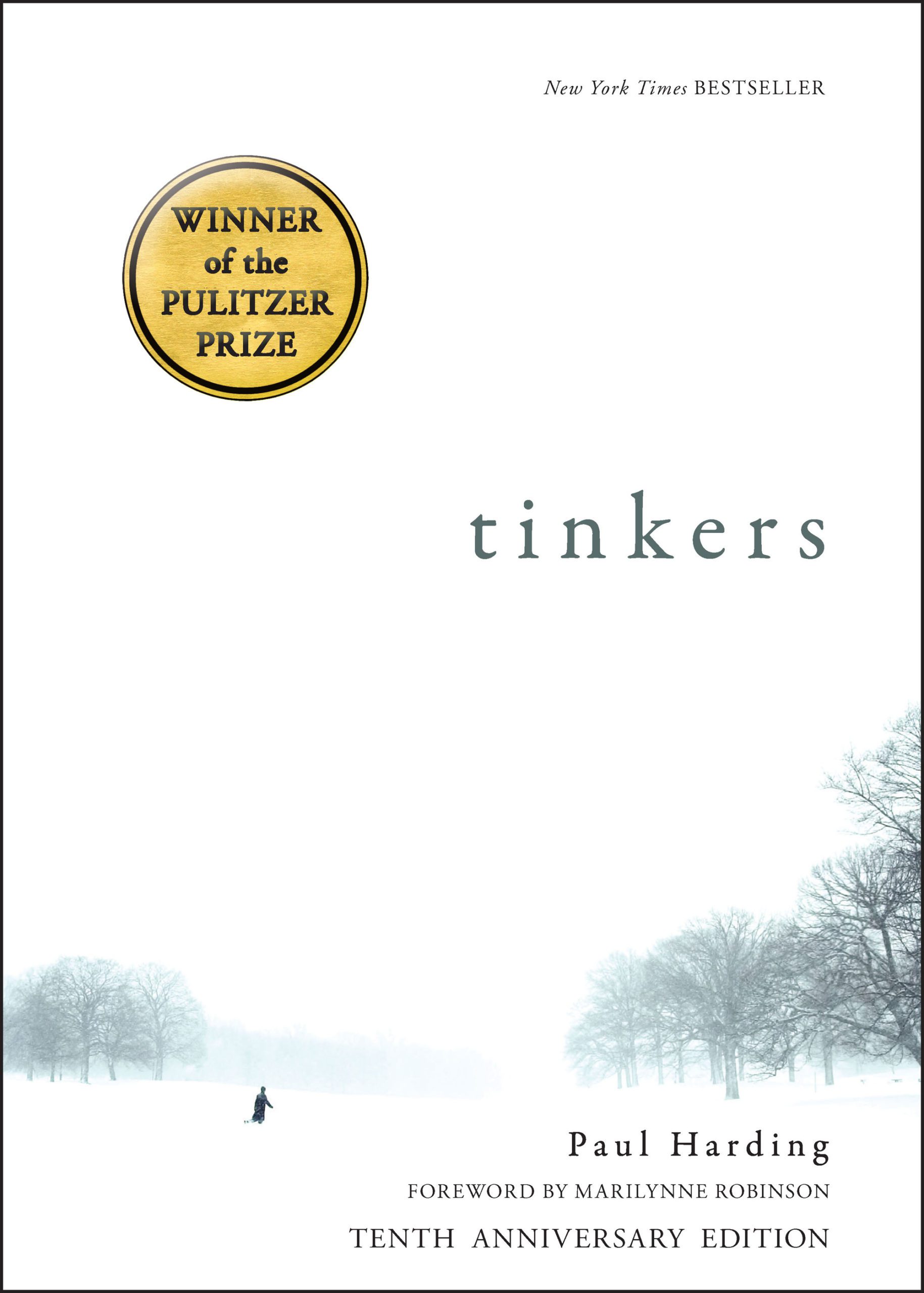
“Tinkers”
The Pulitzer Prize winning novel about life, death, and memoryIt begins, “George Washington Crosby began to hallucinate eight days before he died.” From there, we enter a beautiful, chaotic world that spans generations. Paul Harding creates a web of characters that compliment one another while illuminating life’s most profound experience: death. Tinkers follows the quick decline of George Crosby, an elderly man dying of…
/
Want an Easier Way to Plan a Memorial Event? Get our FREE guide
“7 Ways to Create an Amazing Celebration of Life”

