


“How People With Autism Grieve, and How to Help”A handbook written to spread compassion and understanding about why autistic grief might look different, by someone with autism
Among the many misconceptions about people on the autism spectrum, the belief that they lack empathy is one of the most damaging. In “How People With Autism Grieve, and How to Help: An Insider Handbook,” Deborah Lipsky draws on her own extensive personal experience and training to refute the common fallacies about how autistic people…

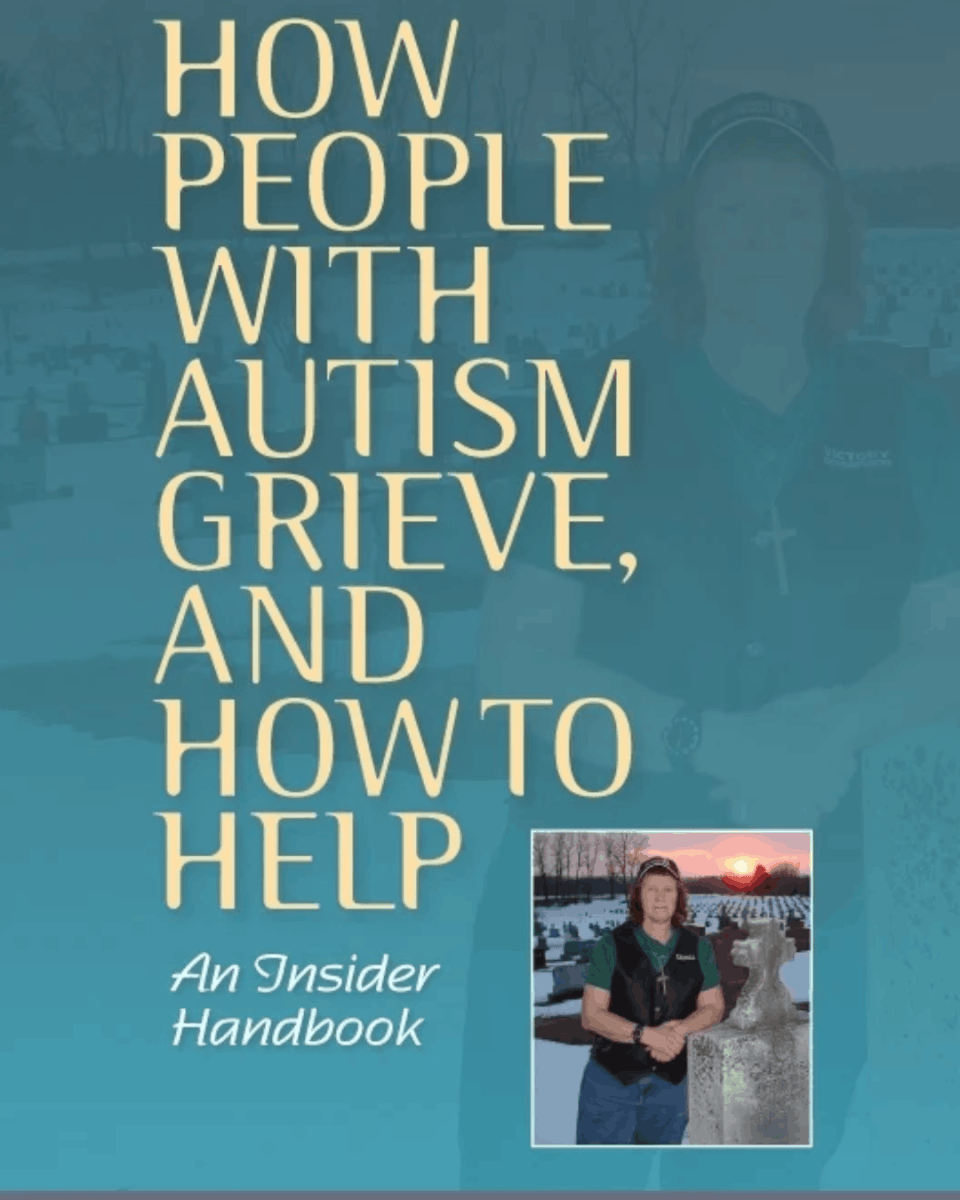
Among the many misconceptions about people on the autism spectrum, the belief that they lack empathy is one of the most damaging. In “How People With Autism Grieve, and How to Help: An Insider Handbook,” Deborah Lipsky draws on her own extensive personal experience and training to refute the common fallacies about how autistic people respond to loss and guides readers towards a better understanding of how to help them.
The author of “From Anxiety to Meltdown” and “Managing Meltdowns,” Lipsky was diagnosed with high-functioning autism in 2005 at the age of 44. Since then, she has become a Continuing Education Seminar Presenter and Keynote Speaker, advocating for people with Autism Spectrum Disorder (ASD) and specializing in meltdown management plans.
Explaining The Unseen
Lipsky’s approach offers invaluable insight into the autistic behaviors and traits that often stymy the“neurotypical” people who love them, particularly following a loss. In “How People With Autism Grieve,” she emphasizes that what often looks like a lack of empathy or emotion might be an outward shell designed to protect a delicate sense of balance.
To illustrate this poorly understood self-defense mechanism, Lipsky relates what she felt when her colleague, mentor and friend Will Richards was diagnosed with leukemia and soon thereafter passed away. She imagines that to the other people grieving Richards, she must have seemed disconnected, ambivalent, even callous. But internally, she “had such intense feelings that they overwhelmed me.” Her internal grief, combined with a “continued state of anxiety made worse by the societal expectations surrounding a dying loved one,” took her two years to understand and process, and ultimately resulted in the writing of the book.
What Autistic Grief Looks Like
How people with autism display their grief might look vastly different than someone who is considered neurotypical. The fallacy that people with autism lack empathy comes from a disconnect between the emotions they’re feeling versus the ones they’re displaying. For example, Lipsky explains, some autistic people have been known to display socially unacceptable reactions, like uncontrollable laughter at a funeral. Others become oblivious to their own emotions because they’re so preoccupied with solving the logistical fallout of losing someone who played a vital role in their daily routine. The important thing to remember, Lipsky insists, is that “most individuals with autism are detached from their emotions, but that doesn’t mean that we don’t have them.” Instead, they often experience a delayed emotional reaction days, weeks, months or even years later, and will need the people around them to be supportive of their needs.
Supporting Someone With Autism Through Grief
The first few chapters of “How People With Autism Grieve” focus on the different responses an autistic person might have to a death, and carefully explain the underlying psychological reasons for those behaviors. The chapters that follow outline strategies, scripts and explanations for how one can help an autistic person process death and its accompanying social expectations.
Lipsky carefully details everything from ways to discuss death with people on the spectrum — providing adequate warning (if possible), avoiding euphemisms, speaking frankly — to scripting behavior at social events and formulating scenarios to help a person on the spectrum work through difficult situations.
Death as a Special Interest
In the last chapter, Lipsky notes that during her presentations, she often fields questions about why autistic children and teens seem drawn to making death their special interest. While it may seem disturbing to those around them, Lipsky explains that there isn’t any dark, morbid underlying reason for this shared obsession. It is actually relatively common, she writes, because of an autistic person’s innate curiosity, or the “need to know.”
“That innate need to find answers to the questions of life fuels our desire to study the subject,” she writes.
Beyond that, many autistic people might be drawn to death-related special interests in a quest to find closure, or because studying death might stem their fear of it: “The more they gather facts, the less frightening death becomes because knowledge curbs the fear of unknowns.”
Who This Book is For
Although some people with ASD might appreciate and relate to Lipsky’s descriptions of autistic grief, this book is geared towards educating someone who cares for someone on the spectrum.
Her prose is often stilted and sometimes painfully repetitive, but the length of the book (only 120 pages) makes these obstacles relatively easy to overcome. Ultimately, the strategies Lipsky has developed and outlined in detail might prove to be immensely valuable to any caregiver or family member, especially one who anticipates navigating grief with someone on the spectrum in the future.
Buy This Book
Support indie book stores or buy from Amazon. We earn a small commission at no cost to you.
As an Amazon Associate, we earn from qualifying purchases.
May We Suggest:
 Understanding How Autistic People Experience Grief
 Survivors Are Breaking the Taboos Around Disenfranchised Grief
 Beyond the Five Stages: Grief Theories in the Modern Age






Leave a Reply