


Neurodivergent Brains Don’t Grieve ‘Wrong,’ They Grieve DifferentlyNew frameworks are needed for understanding how loss moves through different minds
After psychiatrist and ADHD clinical specialist Sasha Hamdani lost her father, grief didn’t just break her heart – it broke her carefully constructed systems for functioning with ADHD. In her speech at the 2025 EndWell conference, Hamdani suggested her experience taught her that neurodivergent people need to have different conversations about death and grief. “Not…
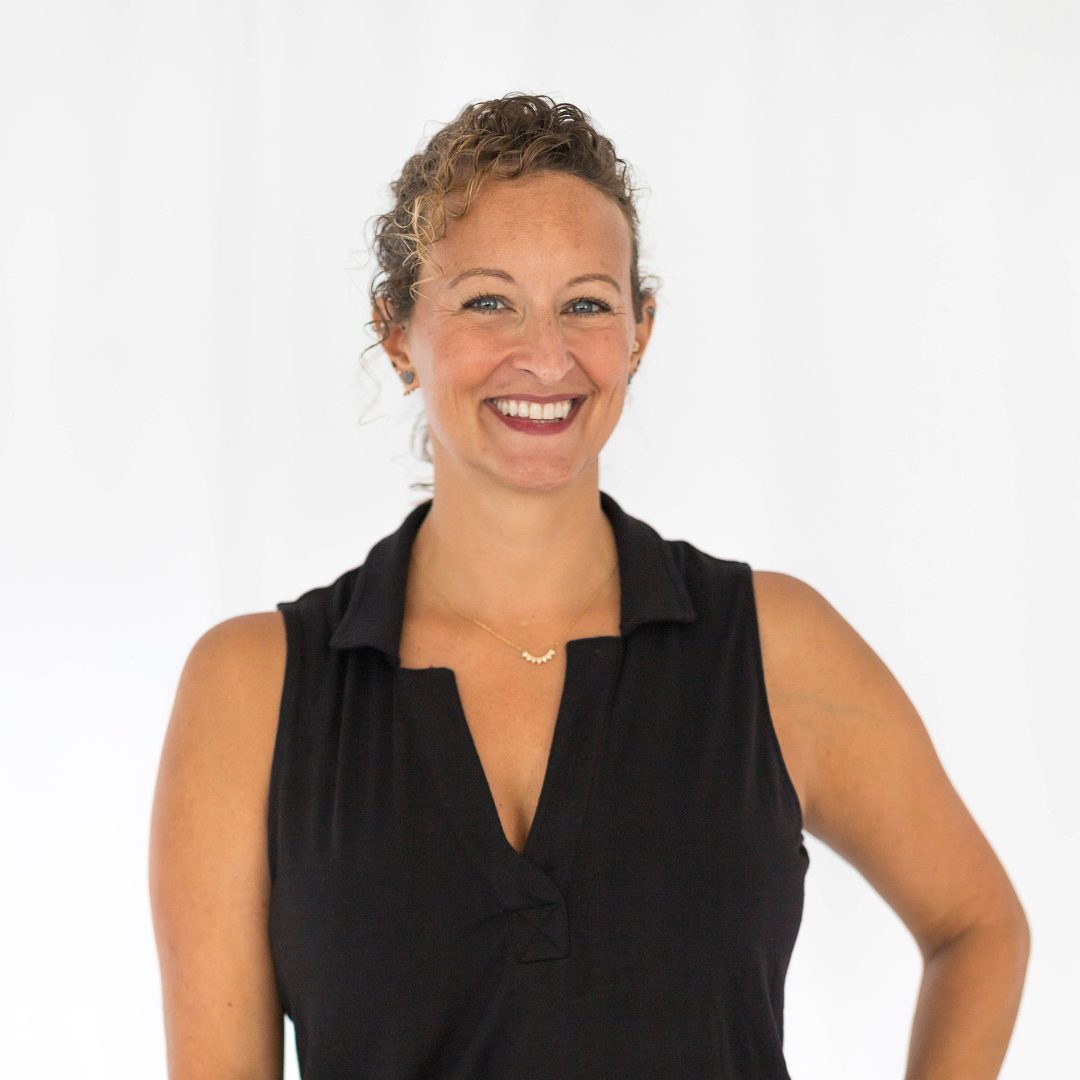

After psychiatrist and ADHD clinical specialist Sasha Hamdani lost her father, grief didn’t just break her heart – it broke her carefully constructed systems for functioning with ADHD.
In her speech at the 2025 EndWell conference, Hamdani suggested her experience taught her that neurodivergent people need to have different conversations about death and grief.
“Not because the grief itself is fundamentally different,” she said, “but because the scaffolding around it is.”
Grief may be a universal experience, but neurodiversity presents unique challenges for those dealing with it. Not only can the internal struggle be debilitating, but a person’s outward demeanor may not match cultural expectations of how grief is “supposed” to look, according to Neurodivergent Insights, a website supporting clinicians who treat people with Autism Spectrum Disorder (ASD).
Hamdani and many others hope that by sharing their stories, they can shed more light on what the grieving experience may look like for those whose brains work just a little bit differently — and help spread greater awareness and acceptance.
What Does Neurodivergent Mean?
The term “neurodivergent” can apply to a wide range of people whose brains process, learn and behave differently from what society considers “typical.” More subtly, it embraces the idea that neurological differences are natural human variations, rather than flaws or deficits.
Under this umbrella are people who have been diagnosed with Autism Spectrum Disorder (ASD), Attention Deficit Hyperactivity Disorder (ADHD), Tourette Syndrome and Obsessive Compulsive Disorder (OCD), amongst other conditions.
Neurodivergent individuals often experience differences in executive function, which refers to the cognitive skills that help to manage information, control impulses, plan ahead and focus on goals. They might also struggle with navigating social norms, experience sensory sensitivities and have difficulty with change and emotional regulation, according to the Neurodiversity Alliance.
The Neurodivergent Boom
Data from Truveta, a health care analytics company, shows that ADHD diagnoses in people older than 30 have been on the rise since 2021. From January 2021 to October 2024, the rate of diagnoses increased by 61% in adults ages 30 – 44 and 64% among those 45 – 64.
The rapid increase in adult diagnoses of ADHD is attributed to a variety of factors, according to Psychology Today, including better access to healthcare, a decrease in stigmatization about receiving mental health care and a greater awareness of the symptoms of ADHD.
Similarly, there has been a steady rise in the number of people officially diagnosed with Autism Spectrum Disorder (ASD). Based on health and education records, from 2000 to 2022, the prevalence of those with ASD in the US increased from 1-in-150 to 1-in-31.
“That can look alarming to people who don’t know [the context of the statistics]” Zoe Gross, the director of advocacy at the Autistic Self Advocacy Network, told the BBC.
It’s not necessarily that autism cases are increasing, she emphasized; rather, diagnoses are on the rise. The diagnostic criteria for ASD have broadened significantly, and screenings for ASD – which have become more sensitive – are more commonly performed. These factors mean more people are caught in the net, so to speak, leading to more clinicians having a better understanding of the varied ways that autism may be visible.

Neurodivergent Grief
In her speech, Hamdani told the audience:
“If you have a [neurotypical brain], grief is gonna feel like this storm that’s passing through. It’s messy, it’s painful, it’s inconvenient, but it eventually clears. For a neurodivergent brain, the storm is landing on a house that has holes in the roof. You have patched things together -– you’ve built these scaffolds that mostly keep life running — and grief tears them apart. Everything leaks, everything collapses.”
Although Hamdani was speaking anecdotally, her experiences are common for those with neurodivergence. Losses can be “especially destabilizing when they disrupt sensory regulation, attachment, predictability, or daily anchors,” according to experts at Neurodivergent Insights.
Cruse Bereavement Support, a British nonprofit, lists other ways neurodivergent processing of grief could be challenging, including:
- Sensory and Physical Overload: Grief is often experienced in the body rather than just the mind. Symptoms include extreme fatigue, body aches, loss of appetite and sensory sensitivities. The environment surrounding a loss — like the quietness of a home or loud memorial services — can cause severe overwhelm.
- Executive Dysfunction: For individuals with ADHD, grief can completely dismantle the carefully constructed systems and routines needed to function. Daily tasks may feel insurmountable, making it seem like it takes much longer to “find one’s footing” compared to neurotypical peers.
- Alexithymia and Processing Delays: Many neurodivergent individuals experience alexithymia—difficulty identifying and describing emotions. Because they may not cognitively realize they are sad, the grief might surface through outbursts, meltdowns or skill regression rather than crying.
- Hyper-Fixation and Logical Processing: To process the abstract concept of death, the brain might latch onto highly specific details. This can result in repetitive questioning, obsessing over obituaries or needing to know the exact timeline of what happened, which others might mistakenly view as inappropriate
Additionally, the experts at Cruse warn that “for someone who is diagnosed ‘late’ (often as an adult) or unaware of their neurodivergence, they may have learned to ‘mask’ – to hide or suppress their natural responses. During bereavement, when emotions run high and stress increases, this mask can become harder to maintain, which can feel exhausting.
Awareness Leads to Acceptance
For Hamdani, once she learned that she could channel her grief through a creative outlet, she was able to compartmentalize it and make it more manageable.
“For me, it was writing; a way to process that loss, to make sense of the chaos, to give my grief a home,” she said. “Because the goal wasn’t ever to eliminate grief, it was just to give it structure, to organize it just enough so it doesn’t overtake everything else.”
By being aware of her own particular idiosyncrasies, Hamdani was able to navigate her grief more successfully — and she hopes other neurodivergent people will follow in that path.
“So whatever your brain needs, however your brain works, you can work with it,” she said. “You can make space for it. You can channel it. And sometimes that channel becomes the very thing that’s going to keep you afloat.”
May We Suggest:
 Survivors Are Breaking the Taboos Around Disenfranchised Grief
 Beyond the Five Stages: Grief Theories in the Modern Age
 Adult Make-A-Wish Style Programs Bring Joy and Connection






Leave a Reply