


When The Legacy is SuicideThe initial impact
When I was a child, my family was a strong, stoic clan. We valued fierce independence above all else. Asking for help or seeking recognition was not acceptable. Neither love nor grief was talked about or expressed. Any acknowledgment of my academic achievements was housed in a joke or backhanded compliment. Mind you, I knew…


When I was a child, my family was a strong, stoic clan. We valued fierce independence above all else. Asking for help or seeking recognition was not acceptable.
Neither love nor grief was talked about or expressed.
Any acknowledgment of my academic achievements was housed in a joke or backhanded compliment. Mind you, I knew this jesting was how our family showed we cared, but I wanted more.
My father was accomplished in many areas. He was an author, store owner, expert on American Indian history and arts, political activist, humanitarian, editorial writer, illustrator, humorist and speaker. He set a high bar, but my goal was not only to reach it, but to break down the barriers to expressing love.
So as a 17-year-old high school senior, I came up with a plan.
In truth, it was a plan born more of need than generosity of spirit. But I hoped it would pay off for us all.
When I arrived in college in the fall, far away in Massachusetts, I would write a letter to my father. I would tell him what a role model he was.
I would tell him I was thankful for his support.
I would share my favorite memories of him.
And for the first time, I would tell him I loved him — on a piece of paper.
I wanted him to read it while I was safely a thousand miles away, just in case it didn’t garner the reaction I hoped for. It was a risk, but one I needed to take.
I hoped he would tell me he loved me in return.

But my plan was abruptly derailed on January 3, 1972 — the day my dad committed suicide.
I fought to understand. But this didn’t make sense.
I recalled the many hours my father spoke with troubled men on the phone, talking them down from drunken misery, dissuading them from their suicidal thoughts and threats.
He told us suicide was selfish and even vengeful.
But my father was selfless, so how could his action make sense?
Once home, I walked numbly into my parent’s bedroom.
I looked up to see my father’s shirt hanging neatly over the chair. Something compelled me to check the pocket. It contained his carefully folded suicide note.
In short sentences he related that the vertigo attacks he suffered from were getting progressively worse and that he was “sorry for the inconvenience” of his action.
He directed that money be given to the university for the study of that “damnably depressing and debilitating disease.”

No signature.
No final message to us.
No, “I love you.”
That was it? My stomach churned.
The paper felt cold in my hand.
I stared at the note for a long time, willing the strength to numb myself to the emotions that threatened to uproot the “Bahti family way of coping.”
I mustered strength to fulfill the expectation of being strong, silent.
Refusing to feel the need. Refusing to feel the pain.
I was a “Bahti”, afterall
I had to carry on my father’s legacy.
And so began my journey to understand and transform this unraveling event, and weave it into the legacy I choose for my own life.
It was my 18th birthday — five months to the day after my father’s suicide.
Tears arrived without warning, without my permission. They burst through the protective armor that had been slowly eroding away through my process of denial and minimization.
I had thought I held my grief well, the “right way,” strong and silent. I was hiding behind the invincible shield that displayed our family insignia of, “I’m fine.”
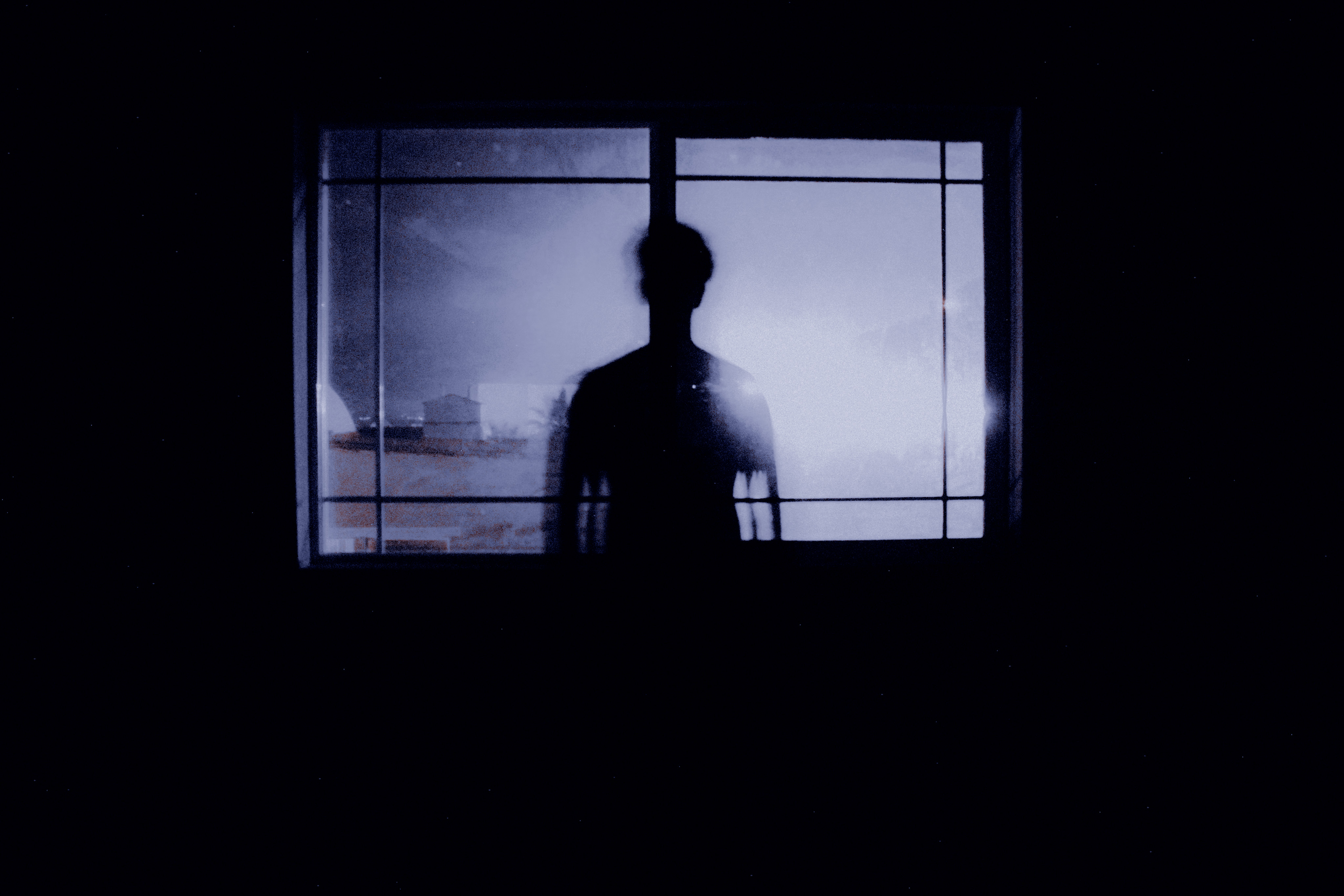
But on this birthday, pretense fell away. I fell headlong into the void where no father was there to catch me and say, “Happy Birthday, pumpkin head.”
Why was I crying? It had been five months — shouldn’t I be over it by now?
I judged my tears harshly and perceived them as weakness.
Everyone else seemed to be fine. But in truth, I never asked how they were out of fear that my truth would be revealed.
I didn’t know they were also hiding behind their own shields.
It took another decade to realize I was angry.
I was angry that my father killed himself.
I was angry that I had to try and understand and be sympathetic of his choice.
I was angry that I was left to live with his decision, not his presence.
I was angry at myself for not being brave enough to tell him I loved him before it was too late.
But wait. How can someone be angry at a dead person, a person whose acute suffering led to a desperate act? Had I no heart?
More self-judgment, until I began to recognize that there are the many faces and phases of grief. And this unfolding journey takes a lifetime.
My first nursing job was on the cancer ward.
Mortality rates were high then. So I became the inadvertent student of those I served as I witnessed their journey of dying, grief and loss.
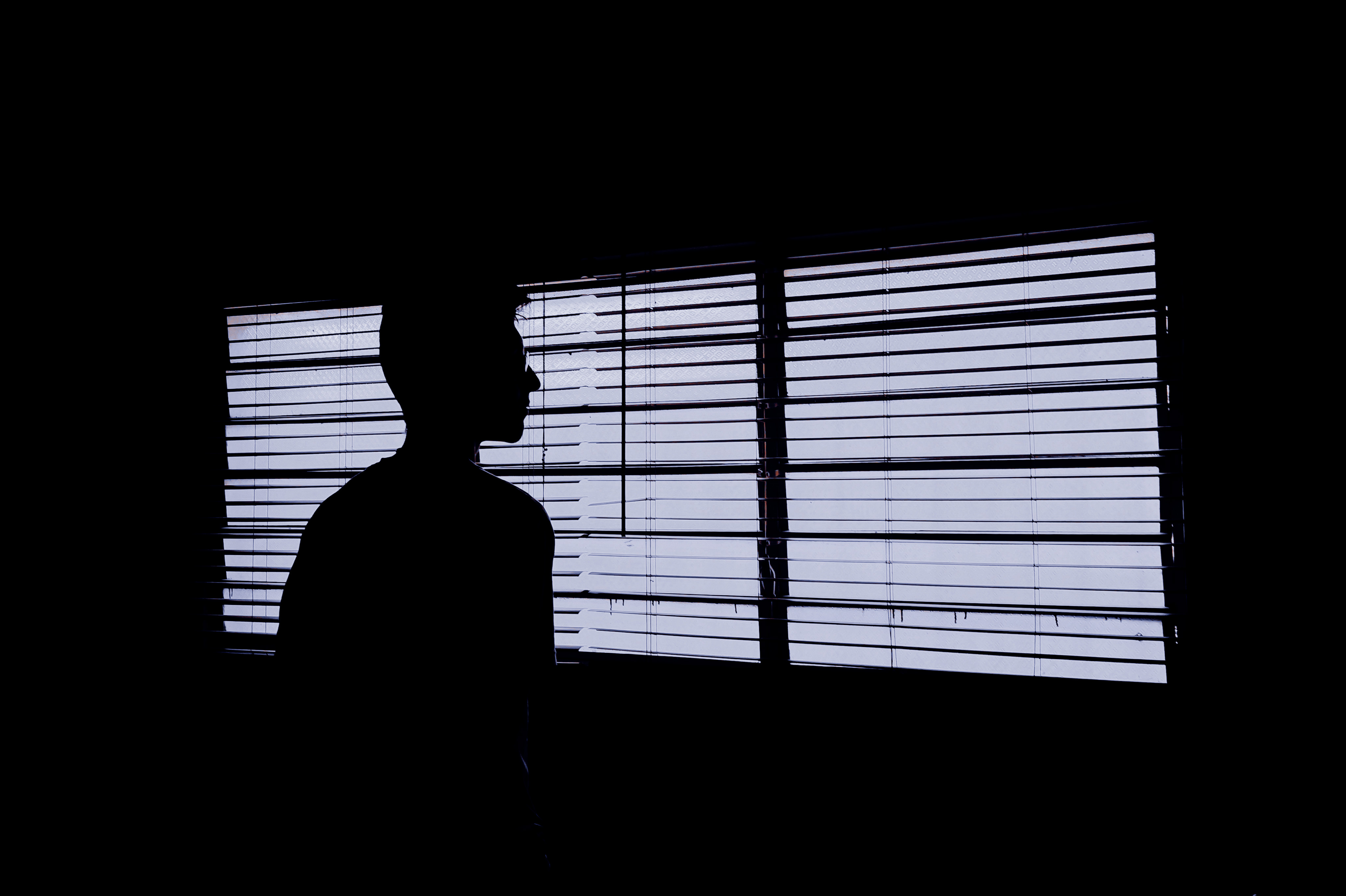
I saw those who expressed their grief with loud wails and flailing arms.
This kind of externalized grief was foreign to me. Initially, I wanted to run. But I learned to stay and be present despite my discomfort.
I witnessed the judgment when some family members expressed their grief differently than others, whether by demonstrating avoidance, stoicism, beating their chests or crying.
I saw that it was easier to share grief with those who had the same style of grieving.
I saw the guilt and fear that accompanied grief, and I saw the anger.
I recognized that beneath the anger was simply grief and loss.
Lost opportunity. Lost presence. Lost future.
In understanding and accepting these feelings in others, I began to understand and accept them in myself.
By removing my protective shield, I could be more fully present, help others find closure, and help them thoughtfully create the legacy they will leave behind.
Death is hard enough. Things left unsaid or undone is harder.
My work became a healing path for me.
By taking the threads from my initial unraveling from my father’s suicide, I wove a tapestry for my own life, transforming a painful lesson into an opportunity to learn and serve others.
For that I am grateful.
Excerpted from original – Finding the Threads – Unraveling Grief, posted June 16, 2015, on Pathways.
EDITOR’S NOTE: If you are in immediate danger or experiencing thoughts of suicide, please seek help immediately. In the United States you can call or text 988, or contact your local emergency services. If you are outside the United States, please contact a suicide prevention hotline or emergency service in your country.
About the author, Tani Bahti
Tani Bahti, RN, CT, CHPN, offers practical guidance to demystify the dying process. With a nursing career spanning over 50 years, Tani has dedicated her life to empowering families and healthcare professionals to enable the best possible end-of-life experience through education and the development of helpful tools and resources. The Founder of Pathways, Tani is also the author of “Dying to Know, Straight Talk About Death and Dying,” a book that SevenPonds considers one of the most helpful books on the subject available today. Founder Suzette Sherman says, “This is the book I will have at the bedside of my dying parents some day, hopefully a very long time from now.
May We Suggest:
 De-Stigmatizing Suicide and Suicide-Loss Survivors’ Grief (Interview)
 I Lost My Father Twice — Once to Dementia and Once to a Flawed DNA Test
 Survivors Are Breaking the Taboos Around Disenfranchised Grief





Leave a Reply