


“Fourth of July”A fictional conversation between the songwriter and his dying mother
The cover for the album Carrie & Lowell by Sufjan Stevens Credit: Asthmatic Kitty Records Michigan-born songwriter Sufjan Stevens has a reputation for deeply personal, emotionally complex folk music that often deals with family, faith, and, commonly, mortality. “Fourth of July” from the 2015 album Carrie & Lowell is one of the most prominent entries…

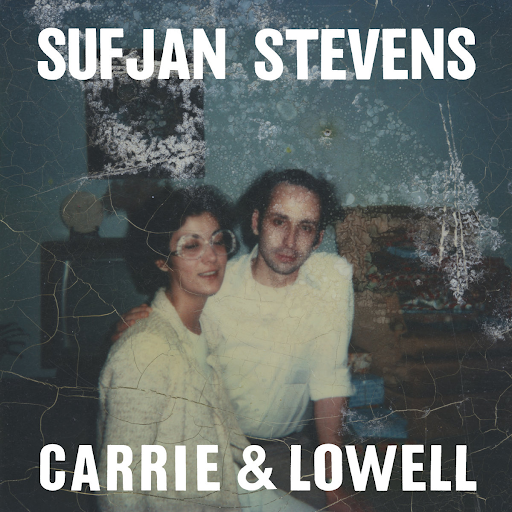
The cover for the album Carrie & Lowell by Sufjan Stevens
Credit: Asthmatic Kitty Records
Michigan-born songwriter Sufjan Stevens has a reputation for deeply personal, emotionally complex folk music that often deals with family, faith, and, commonly, mortality. “Fourth of July” from the 2015 album Carrie & Lowell is one of the most prominent entries in these themes, especially regarding death, grief, and mortality.
Stevens wrote the album Carrie & Lowell after the death of his mother, Carrie, in 2012 from stomach cancer. The entire album serves as an exploration of Stevens’ relationship with his mother, her struggles with mental health, and her role in his upbringing and childhood. “Fourth of July” is a raw, unflinching, and honest account of her death.
The song, at its core, is an imagined dialogue between Stevens and his mother in the hospital as she nears death. Terms of endearment are exchanged, such as “my firefly,” “my little dove,” and “my little hawk,” to express love for a largely absent but prominent figure in his life. He later revealed that these were fictional nicknames to bridge their emotional distance.
“That whole song, and the interactions and the affections, are all made up…we didn’t have pet names, and we weren’t intimate. Our relationship was distant because she mostly wasn’t there. I was raised by my dad, my stepmom. I think that song is kind of an imagined parallel universe, in which we were more intimate…But that wasn’t possible,” Sudan revealed in an NPR interview.
The evil, it spread like a fever ahead
It was night when you died, my firefly
What could I have said to raise you from the dead?
Oh, could I be the sky on the Fourth of July?
Stevens laments the loss of his mother and questions what he could have done or said differently, which is a common reaction to the death of a loved one. This is not the first time Stevens has grieved his mother, however. His mother left his life when he was one year old as she struggled with substance abuse, schizophrenia, and other mental health concerns. He saw her briefly during childhood summers in Oregon, with his stepfather, Lowell (hence the album title).
Sufjan Stevens touring for Carrie & Lowell in 2015
Credit: Oslomonsoon, Wikimedia Commons
He described sitting beside his estranged mother in the hospital as terrifying, yet ultimately healing, and how their love for each other emerged in her final moments despite the distant role she took in his life.
Well, you do enough talk
My little hawk, why do you cry?
Tell me, what did you learn from the Tillamook burn?
Or the Fourth of July?
We’re all gonna die
The Tillamook Burn in the lyrics references massive forest fires that devastated Oregon’s coast starting in the 1930s; it’s a metaphor that something as beautiful as these forests can quickly be destroyed in such a disaster.
“We’re all gonna die,” is repeated through the song as a reminder of everyone’s mortality, including ourselves and those we love.
Did you get enough love, my little dove
Why do you cry?
And I’m sorry I left, but it was for the best
Though it never felt right
My little Versailles
These lyrics are a powerful and emotional reminder and assurance not to dwell on the estrangement they shared, even in her final moments.
Most of the song deals with the memories they shared, the regrets they had, and what they would say to each other at the final moments of her life. Ultimately, Stevens shares a powerful reminder toward the end of the song:
Shall we look at the moon, my little loon
Why do you cry?
Make the most of your life, while it is rife
While it is light
Whether you’re mourning a distant parent or confronting mortality in some other form, “Fourth of July” is a tough listen. It does serve as a valuable reminder that it is okay to grieve and acknowledge the complexity of human relationships.
Buy This Album
Buy this album from Amazon. We earn a small commission at no cost to you.
As an Amazon Associate, we earn from qualifying purchases.
May We Suggest:
 “Carrie and Me: A Mother-Daughter Love Story“
 “Casimir Pulaski Day”
 “And Just Like That: A new chapter of Sex and the City”
-

This song is a powerful reminder that grief can hold love, regret, longing, and unanswered questions all at once. Sometimes music gives us a way to express the complicated parts of loss that words alone cannot.
-
Absolutely. Music has a unique way of reaching the emotions we struggle to name, giving us a place to hold all the love and complexity that grief leaves behind.
-









Leave a Reply