


“Over the Rainbow”Reaching “Over the Rainbow” to process grief and find hope in your journey
Although Judy Garland’s role in The Wizard of Oz popularized“Over the Rainbow,”frequently referred to as “Somewhere Over the Rainbow,” the song has more depth than meets the eye. The composers, Harold Arlen and E.Y. “Yip” Harburg, indicated that it represented a child’s longing to escape from a colorless world, but also resonated with a greater…


Although Judy Garland’s role in The Wizard of Oz popularized“Over the Rainbow,”frequently referred to as “Somewhere Over the Rainbow,” the song has more depth than meets the eye.
The composers, Harold Arlen and E.Y. “Yip” Harburg, indicated that it represented a child’s longing to escape from a colorless world, but also resonated with a greater community yearning for hope. The song’s selection to the National Recording Registry by the Library of Congress for its significant influence on culture and history, along with the many covers, demonstrates that it has risen to the challenge.
Cultural Impacts
According to the BBC Harburg once said, “The capitalists saved me in 1929, just as we were worth, oh, about a quarter of a million dollars. Bang! The whole thing blew up. I was left with a pencil and finally had to write for a living… what the Depression was for most people was for me a lifesaver!”
A farm girl in a black-and-white world longing for color would soon move far beyond its origins. In an interview done on the 100th anniversary of Yip’s birthday, Harburg’s son and biographer Ernie Harburg, spoke with pride about the song’s lasting impact. “Yip put in something which makes it a Yip song. He said, ‘And the dreams you dare to dream really do come true.’ You see? And that word ‘dare’ lands on the note, and it’s a perfect thing, and it’s been generating courage for people for years afterwards, you know?”
Since its release in “The Wizard of Oz,” the song has been it adopted by the Rainbow Division of the United States Army’s 42nd Infantry Division, originally established in WWI and so named because it brought in people from all across the United States with differing perspectives. In an article by the New York Division of Military and Naval Affairs,
“As they were discussing the organization of the Division and reviewing the National Guard units from 26 states that would make up the Division, Colonel Douglas MacArthur commented that “The 42nd Division stretches like a Rainbow from one end of America to the other.” The comment caught the interest of those present, and they decided to call it the “Rainbow Division.”
The division became better known during WWII, as one of three divisions that liberated Dachau. The Rainbow Division, which still exists, was honored in 2015. The song is also often used in LGBTQIA2S+ circles for the Pride movement, and was sung by survivors of the Sandy Hook Elementary shooting in memory of their classmates and as a benefit for local organizations.
One of the most famous recent covers is the simply strummed Ukulele version, a medley of “Somewhere Over the Rainbow” and “What a Wonderful World by Israel Kamakawi’ole. While Kamakawi’ole did not use the piece to expressly speak of Hawaiian sovereignty, many Hawaiians adopted it as a symbol for preserving traditional culture and an appeal for sovereignty, based on Kamakawiole’s lifetime of activism. It is through the longing in his voice accompanying the traditional Ukulele that his version brought pride to those in his home state.
Imagining a Bit of Peace
Most people would recognize the chorus and, possibly, imagine a place where those they cherish can find freedom from pain:
Somewhere over the rainbow, way up high,
There’s a land that I heard of, once in a lullaby.
Somewhere over the rainbow, skies are blue,
And the dreams that you dare to dream really do come true.
This absolutely could stir your emotions as you think about your wishes for your loved ones. For me, though, it is the introductory verse that speaks to the gamut of emotions we experience when we say goodbye: a process that often begins long before someone dies.
As you grapple with news of your or a loved one’s final days, you might experience forgetfulness, distraction, overwhelm, and more. Things may feel like a never-ending rainstorm, which is hard to see your way through.
When all the world is a hopeless jumble
And the raindrops tumble all around,
Heaven opens a magic lane.
Glimmers of Joy and Hope
It’s often difficult to see past the sadness and anxiety as our grief journey unfolds.
When all the clouds darken up the skyway
There’s a rainbow highway to be found
Leading from your window pane
To a place behind the sun,
Just a step behind the rain.
These lyrics serve as a reminder that people will get through the hardest parts. The words “When all the clouds darken up the skyway” can represent the overwhelming waves of grief. It might feel like there’s nowhere to go or that one can’t move on after losing a loved one. They might also feel a mix of emotions, including some guilt over feeling grateful or relieved their loved one is no longer in pain. “There’s a rainbow highway to be found… to a place behind the sun, just a step behind the rain” represents hope for peace and renewed direction as one navigates the complicated emotions that come with the loss of a loved one. Looking back at memories with those loved ones can also bring joy that you might find on a rainbow highway.
Coming Together for Remembrance
This song fits well in a funeral or memorial service. The challenge of losing a loved one commonly brings people together. “Over the Rainbow” recognizes sadness and hurt in the grief journey while lifting people toward hope.
May We Suggest:
 A Unique Stool Designed for Hospice Comfort
 Can Ayahuasca Heal Grief? (Interview)
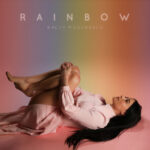 “Rainbow”
-

The article informs my sense that rainbows are always meant as harbingers of what is positive–a necessary motivator when death and dying seem closer with age. Thank you for the examination of the song!
-
What a beautiful way to see them. Rainbows can feel like a reminder of hope and beauty, especially when thoughts of mortality begin to feel closer.
-








Leave a Reply