

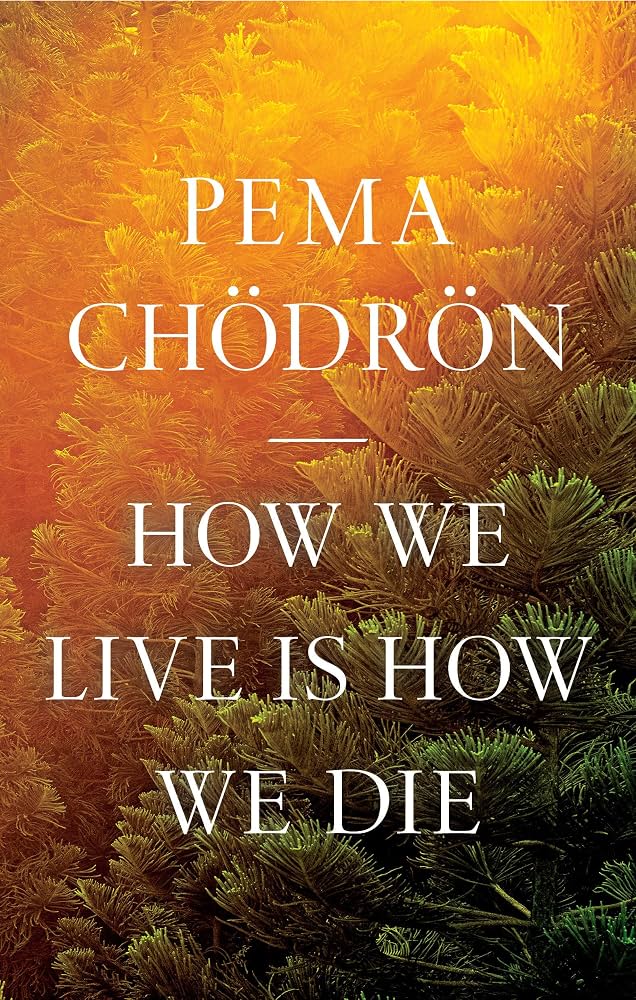
“How We Live is How We Die”In this book, a Buddhist nun explores an Eastern perspective on death
In “How we Live is How We Die,” renowned Buddhist nun Pema Chödrön explores the “bardo,” or the Tibetan term for transition period, between life and death. Life is a series of beginnings and endings; in the constant flow of life and death, one thing ends and another begins almost immediately, causing innumerable bardos. The…

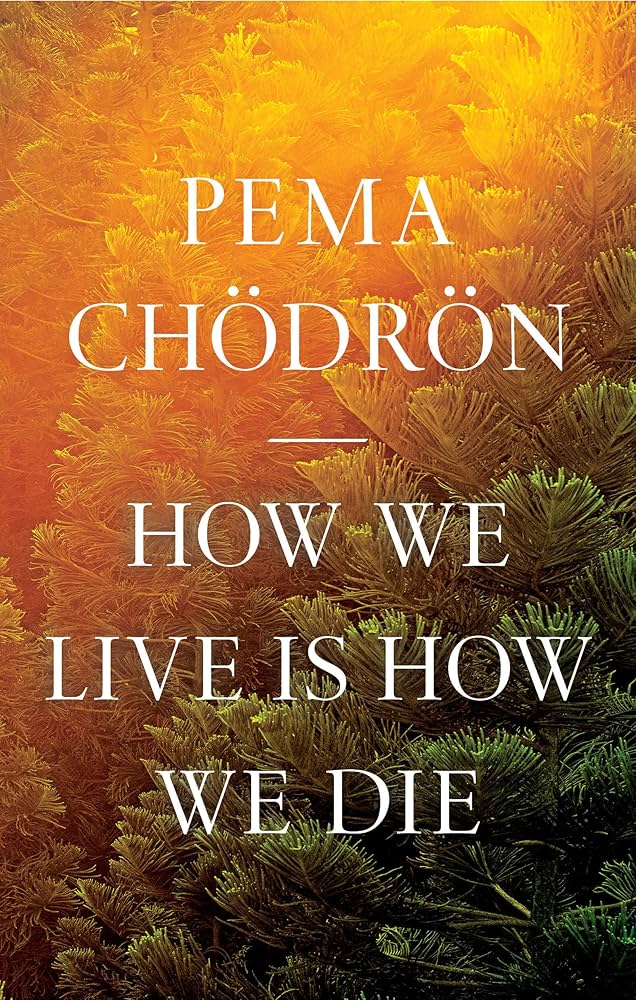
In “How we Live is How We Die,” renowned Buddhist nun Pema Chödrön explores the “bardo,” or the Tibetan term for transition period, between life and death. Life is a series of beginnings and endings; in the constant flow of life and death, one thing ends and another begins almost immediately, causing innumerable bardos.
The “Bardo Tödrol,” or “The Tibetan Book of the Dead,” delves deeper into the bardos, and much of this book draws upon its wisdom for navigating the transition between this life and death and how to prepare. Chödrön states:
How we live is how we die. For me, this is the most fundamental message of the bardo teachings. How we deal with the smaller changes now is how we’ll deal with the bigger changes later. How we relate to things falling apart right now foreshadows how we’ll relate to things falling apart when we die.
In other words, if we’re resistant to life’s changes, we will be resistant to death’s as well; if we allow an easy flow in life, we’ll experience a similar, easy flow in death.
This can occur when the body achieves inner dissolution – or when the earth, water, fire, air, and space elements of the body dissolve, revealing a sixth element, or consciousness. This sixth element only occurs for a moment but. in Buddhist teachings, must be prepared for. It is the opportunity for a type of transcendental awakening.
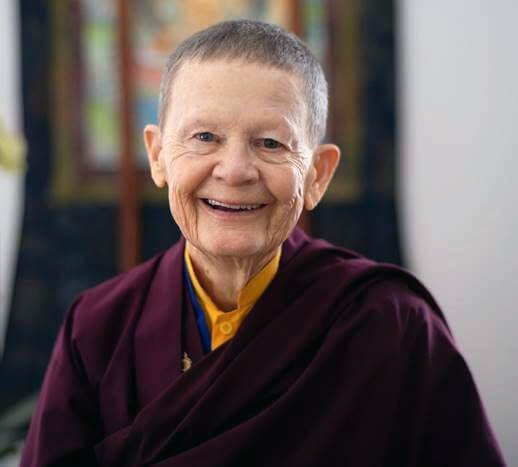
Credit: Shambhala Publications
How to prepare for such a moment? Meditation, it seems, provides a helpful means of preparation as well as a careful examination of thoughts. “… How we work with our mind, emotions and propensities while journeying through the ups and downs of the bardo of this life is what we’ll take with us as we travel forward,” Chödrön explains.
Throughout the next few chapters, Chödrön gives insight into how to identify and process thoughts, feelings, and emotions — in particular, the “kleshas,” or “destructive emotions” of craving, aggression, and ignorance. These emotions and their “add-ons” often inflict needless suffering on the bearer and those around them. Becoming more aware of them, allowing ourselves to feel them (which can be trickier than it sounds), and becoming present again and compassionate towards others is the key to achieving wisdom. She provides insight into how to refrain from reacting to the kleshas’ negativity; create a positive attitude towards the kleshas, and allow our emotions to guide us towards awakening.
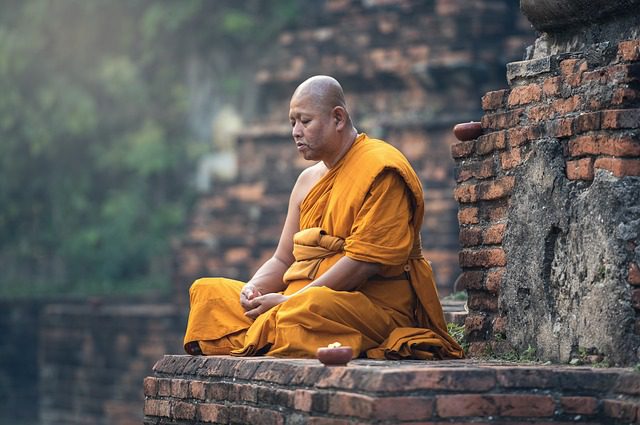
Pema Chödrön provides these “time-tested strategies” because she believes that
How we work with our thoughts and emotions now is what we’ll take with us when we die. We cannot put it off until the end; by then, it will be too late. So now is the time.
This book provides a fascinating and powerful view into an Eastern tradition’s view of death. This worldview also espouses the benefit of observing thoughts instead of over-identifying with them as an incentive to let go of unnecessary mental and emotional resistance.
“How We Live is How We Die” appeals more to the intellect than to the emotions, so it would perhaps resonate more to the seeker eager to learn more about Buddhist teachings than the recently bereaved looking to find comfort. Nevertheless, this is a fascinating read about an Eastern viewpoint of death.
Buy This Book
Support indie book stores or buy from Amazon. We earn a small commission at no cost to you.
As an Amazon Associate, we earn from qualifying purchases.
May We Suggest:
 “After Life: Ways We Think About Death”
 “The Book of Ceremony ”
 “Living in the Light of Death”


Leave a Reply