


“The Chaplain and the Doctor”The latest film from physician, author and filmmaker Jessica Zitter examines the failings of modern medicine while making the case for more compassionate, human-centered palliative care
Currently out on national tour, the film “The Chaplain & The Doctor” follows the partnership of Dr. Jessica Zitter and hospital chaplain Betty Clark as they treat their patients at The Wilma Chan Highland Hospital trauma center in Oakland, California. At first glance, the film might seem like a set-up for the “unlikely buddy” trope…
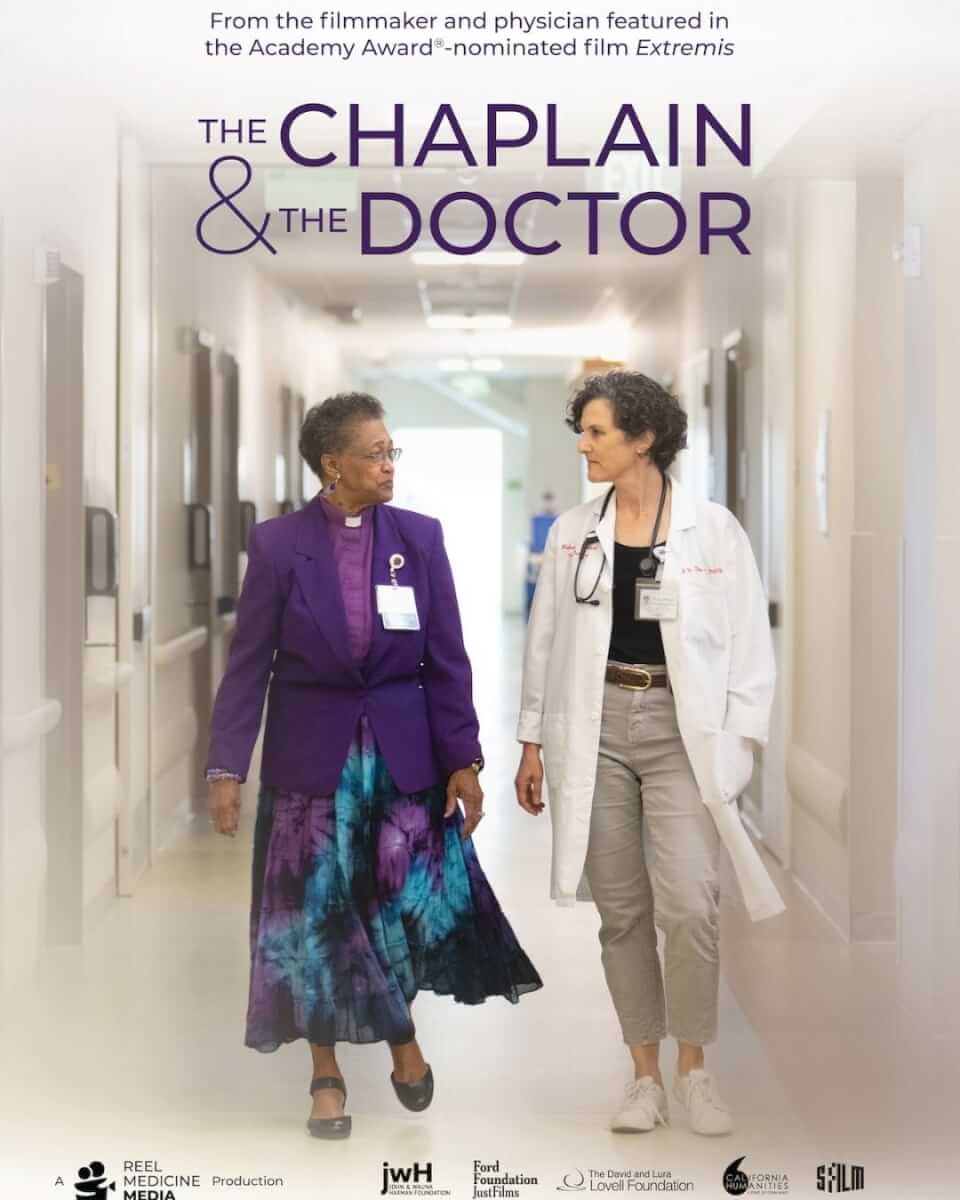
Currently out on national tour, the film “The Chaplain & The Doctor” follows the partnership of Dr. Jessica Zitter and hospital chaplain Betty Clark as they treat their patients at The Wilma Chan Highland Hospital trauma center in Oakland, California.
At first glance, the film might seem like a set-up for the “unlikely buddy” trope so popular in comedic action movies. If it stayed true to that format, Dr. Zitter – a white Jewish woman – would stoically adhere to her training in medical interventions using cold, hard science, while Chaplain Clark – an octogenarian African American woman – would be the zany sidekick providing comic relief. Instead, the film argues that the pairing of Zitter and Clark results in a formidable team of indomitable strength, resolve and dedication that could catalyse a movement towards more compassionate healthcare.
The Doctor
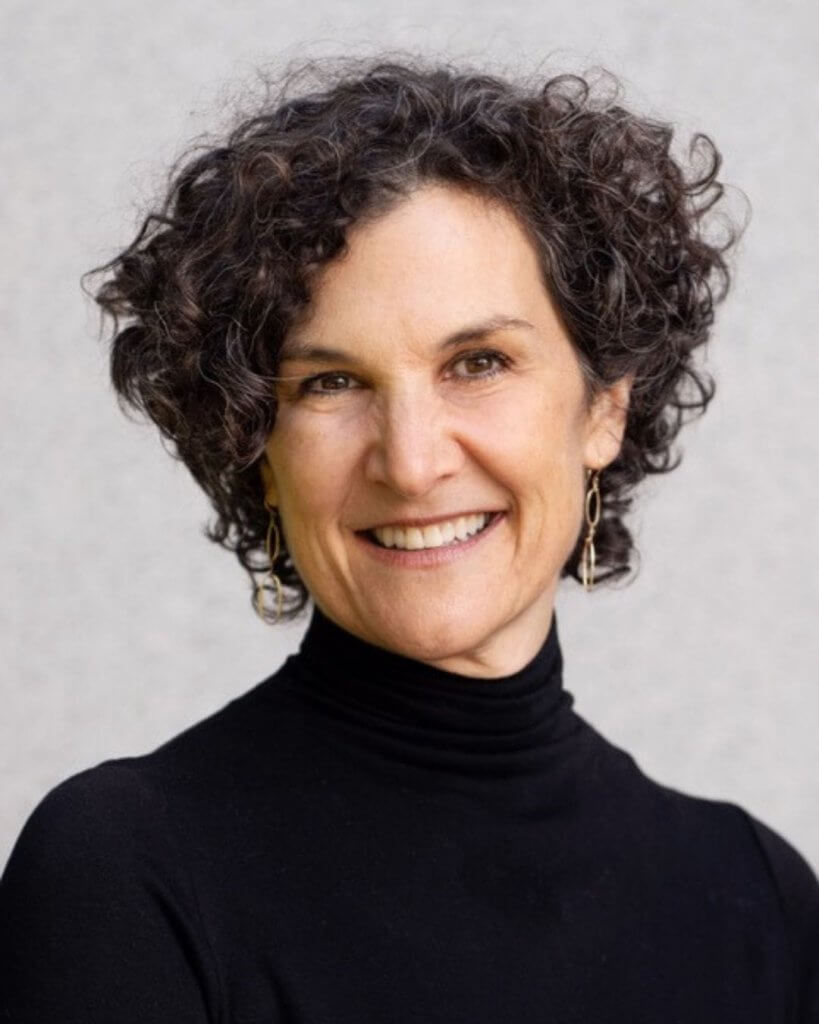
Jessica Zitter is the author of “Extreme Measures: Finding a Better Path to the End of Life,” and several of her articles and essays have appeared in prestigious national publications. She was featured in the Oscar- and Emmy-nominated short documentary “Extremis,” as well as produced and directed the award-winning, 2020 short documentary “Caregiver: A Love Story.”
Zitter comes from a family of physicians. In “The Chaplain and the Doctor,” she explains her motivations for her career path by relating the time she sustained an injury as a child, and her parents rushed her to the hospital so another family member could treat her wounds. Her lasting impression, she recalls, was of profound sadness that not one of the many loving, capable adults thought to hold her hand through the scary ordeal.
In her pursuit of studying medicine, Zitter wanted to retain that sense of humanity, the compassion that should be the driving force behind the ability to heal. But working in palliative care, she found that the demands of the job – and her patients – often work against that goal.
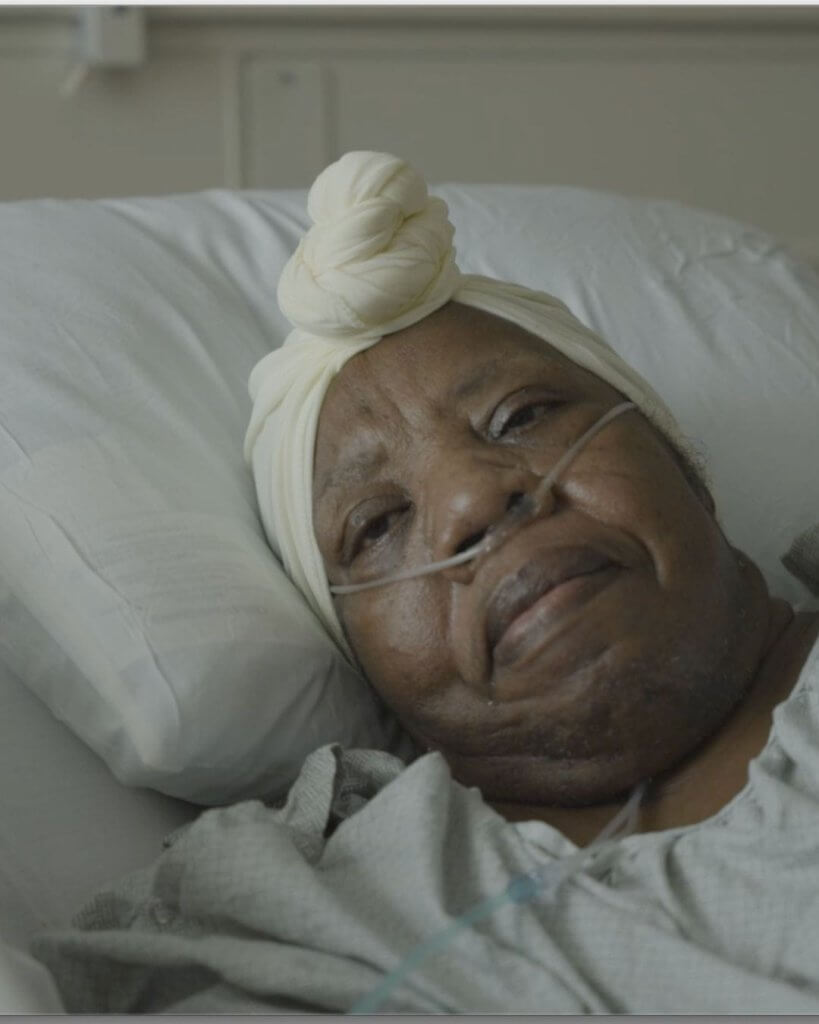
To illustrate this struggle, we are introduced to one of the team’s patients, a woman already diagnosed with an advanced stage of cancer, who was prepared to undergo biopsy surgery to identify a mass. Zitter and Clark are in her room at the hospital, doing everything they can to delicately inform the patient that she doesn’t need this procedure. In fact, the test (ordered by another physician) could likely do more harm than good, as her weakened body might succumb while under sedation. And yet, despite explaining that whatever the results were wouldn’t change her prognosis or her treatment plan in any way, the woman said she still wanted to undergo the procedure.
To watch Zitter’s face throughout this conversation is to take a masterclass in exercising patience; we can clearly see the effort it takes to suppress the frustration she must feel.
When we spoke about the scene, Zitter lamented that this is an all-too common scenario. “It’s what everyone expects of you. Your patients expect you to do something,” she told me. “Even when it is not what someone would want if they really understood what that ‘something’ is. This happens all the time. [We tell a patient] ‘Here is the reason this won’t help you. This is going to hurt you. This could kill you,’ but they still want us to do it.”
As Zitter explains, some doctors find it easier to just comply with their patient’s demands. She sees other doctors prescribing tests and treatments that are unnecessary, and sometimes harmful, “because it’s easier to perform another procedure, another intervention, or give another medication, than it is to communicate, to break bad news. It’s easier to do ‘something’ than to sit with that patient in their pain and suffering.”
As the documentary shows us, what palliative care has gradually lost – to everyone’s detriment – are medical teams experienced with doing just that: sitting with a patient in their pain and suffering.
And that’s where Clark comes in.
The Chaplain
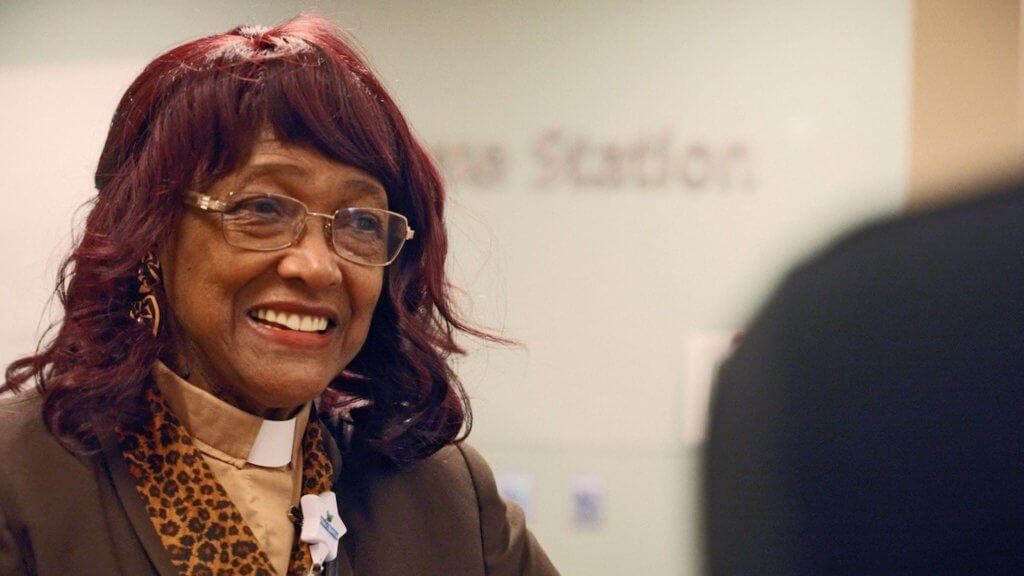
Religious professionals often describe “following their calling,” and it is immediately clear to those watching the film that Betty Clark is driven by a persistent inner voice to pursue her life’s work long past the typical age of retirement. The child of sharecroppers, Clark rose from poverty and hardship to earn a Master of Divinity degree from the Graduate Theological Union in Berkeley, California, and has since touched countless lives in her career as a hospice and palliative care chaplain.
Cameras follow Clark as she gets ready for work, swallowing a handful of prescription medications from her bathroom cabinet before she kisses family members on her way out the door. Her face is bright and expressive, her mind is sharp, and her voice is steady, but we can see that her age and dedication to her job is taking its toll on her body. (In one humorous moment, she even offers Zitter a naked aspirin tablet from her pocket, laughing about her habit of keeping them on hand, ‘just in case.’)
Despite the universe sending her messages to slow down, Clark is an unstoppable force of nature. She makes her way up and down the halls of the hospital, visiting patients and giving comfort in whatever way is needed; by singing hymns, offering prayers, joking with family members and sometimes just silently clasping hands.
For over a decade, Clark’s guidance has allowed Zitter to better understand the systemic barriers and biases doctors often bring to the bedside — and subsequently, try to overcome them. Together, they have merged their expertise in fields often considered in opposition to each other, to provide better holistic care for their patients.
The Film
Originally, Zitter got into filmmaking after watching a different documentary that had been filmed at her hospital. “It was so powerful! I’ve been a writer for a long time – I write stories about my experience in healthcare, and I wrote a book – but I saw this film and I thought, ‘I could write 15 books, but this will reach more people than [the books] ever will.’”
The point of the documentary, then, is to use the power of filmmaking to spread awareness about what they’ve learned from their partnership. “It’s a very complicated business, using storytelling to improve the healthcare system, but I think it’s important to try.”
Perhaps that’s the only way the unlikely team adheres to the old Hollywood trope; the way that they have learned from each other’s differences, and used their strengths to broaden their professional roles into something more. In the same way buddy cops team up to heroically bring down the bad guys, viewers are left with the impression that if we could find some way to inject more Zitter/Clark combos into healthcare, we could eventually dismantle the systems that currently leave so many people to suffer alone.
In the hopes of pursuing that goal, the nonprofit founded by Zitter, Reel Medicine Media, is currently exploring ways the film can potentially be used in curricula for medical students and continuing education for practicing physicians.
At the time of this publication, “The Chaplain and the Doctor” is still on theatrical tour, offering screenings and related presentations across the country. To be informed about screening schedules, and to get alerted when the documentary is made more available for streaming online, Zitter asks that those who are interested sign up for Reel Medicine’s newsletter.
May We Suggest:
 A Hospital Chaplain Debunks the Most Common Misconceptions About Their Role
 New Rituals Lessen Trauma of Code Blue Deaths for Clinicians
 How Can Palliative Care Be Implemented in the ICU? (Interview)
-

This is a powerful reminder that good medicine is about more than treatments and procedures. Sometimes the most important care we can offer is the willingness to sit beside someone, listen, hold a hand, and make sure they feel seen as a person, not simply a patient.
-
I completely agree. When someone is facing serious illness, being truly seen and heard can be as meaningful as any medical intervention. Compassion reminds us that caring for the whole person should always remain at the heart of medicine.
-
-
Sometimes the most powerful medicine isn’t another treatment, it’s simply being present, listening, and making sure a person feels truly cared for.








Leave a Reply