


The Eldest Daughter Trap: Why SNL’s ‘Sister’ Caregiving Sketch Hit a National NerveWhat data says about unpaid caregiving and who often bears the burden
On Nov. 14, Saturday Night Live aired a sketch about family caregiving in the form of a parody commercial called “Sister.” Host John Mulaney played a son who notices his aging father slowing down and finds the perfect solution: a live-in, 24/7 elder caregiver that is “completely free, and also your sister.” The sketch jokes…

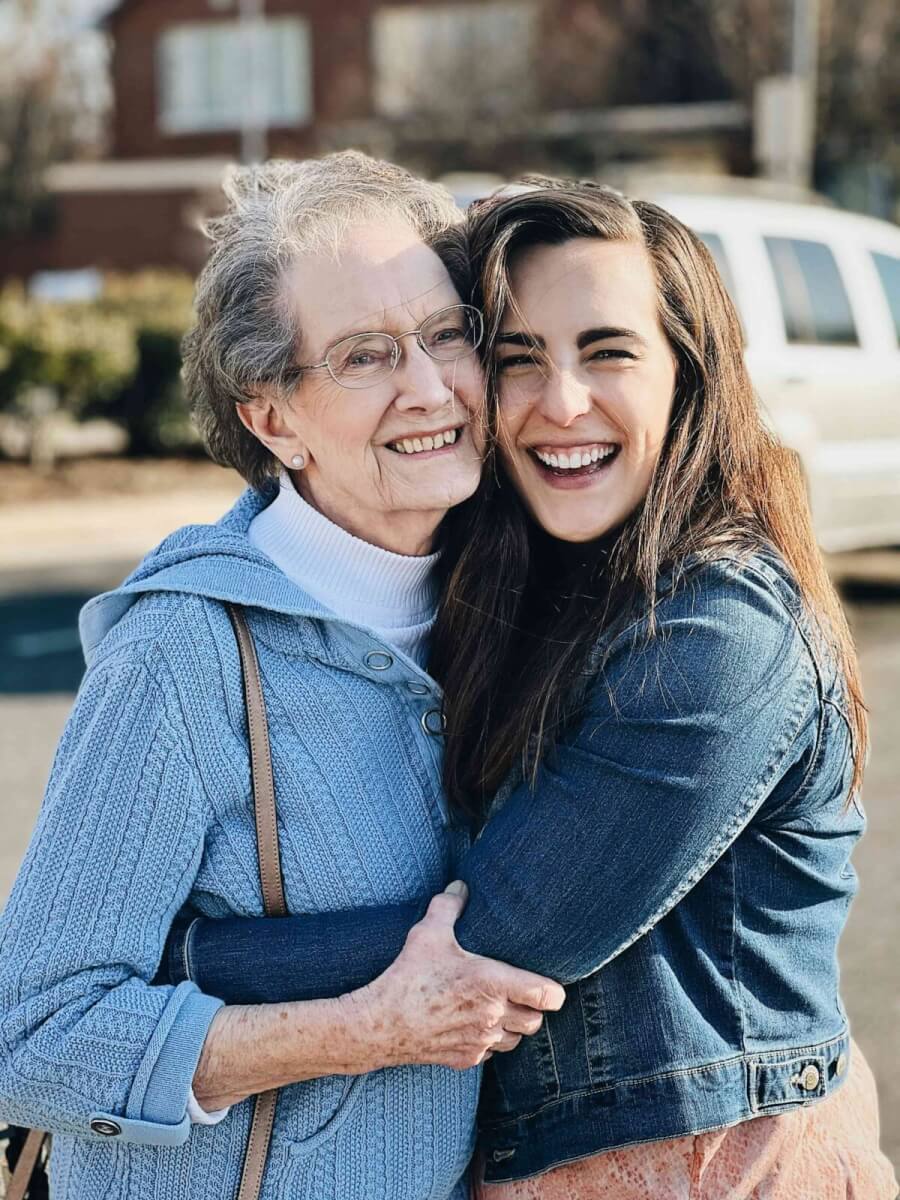
On Nov. 14, Saturday Night Live aired a sketch about family caregiving in the form of a parody commercial called “Sister.” Host John Mulaney played a son who notices his aging father slowing down and finds the perfect solution: a live-in, 24/7 elder caregiver that is “completely free, and also your sister.” The sketch jokes about how the son can get back to his normal life and routine while handing off all of the unpaid family caregiving responsibilities to his sister.
Unpaid Family Caregiving Strikes a Nerve
The sketch quickly gained popularity; just two weeks later it already has more than five million YouTube views and nearly 20 million more on X. It’s been widely shared and reported on by news platforms like The New York Times and The Guardian. One of the sketch’s writers, Streeter Seidell, even dedicated the sketch to his own sister.
One thing can be certain: the sketch resonated with audiences as they recognized their personal family dynamics. It shows how the family’s sister will race across the country and “break her lease” to assist their father after just one text message from the brother.
The Data on Unpaid Family Caregiving Dynamics
The sketch exaggerates, but it originates from real patterns. The 2025 AARP and National Alliance for Caregiving report found that 63 million Americans — one in four adults — provide ongoing caregiving, up 20 million from the same report in 2015. The National Alliance for Caregiving’s testimony at the U.S. Senate claimed that 61% of family caregivers are indeed women. While men do provide care, and many families share the caregiving workload, the data suggests the SNL sketch is rooted in some hard truths.
AARP reported women, LGBTQ+ caregivers, and those who felt they had no choice in becoming caregivers (like the “sister” in the sketch) are significantly more likely to report feeling alone. 29% of adult caregivers (17 million people) are in the “sandwich generation,” caring for both their children under 18 and older adults simultaneously.
AARP’s Public Policy Institute valued unpaid family caregiving provided in 2024 alone at more than $1 trillion — more than $1 trillion — more than Medicaid spent that year.

Adult Caregiving Plans for Families
Family gatherings are common during the fall and winter months. Many adult siblings will be at the same table, and aging parents’ needs will be harder to ignore. Instead of letting one person take care of everything, a little pre-planning can make the responsibility easier for everyone.
- Discuss plans before a crisis occurs: Arrange care-planning conversations with parents, siblings and other involved family members while everyone can think clearly, if possible. An emergency room hallway doesn’t make for an opportune conversation setting.
- Understand the costs of caregiving: Care takes time, energy, money and emotional weight. Assigning all the work to someone just because they live the closest—or because they’re the ‘sister’ of the family—isn’t a fair or thorough caregiving plan. Designate tasks or costs to specific people in the family so the load is lightened.
- Document as early as possible: The more time passes, the harder it will be to understand where parents’ wishes lie. Make sure to gather advance directives, financial documents, wills, end-of-life preferences and any other documentation as soon as you can, even when older adults in the family are relatively healthy. Make sure everyone involved knows where these documents are kept. No one should have to guess the location of important documents.
What’s fair when it comes to taking care of older family members is up to each individual family. An even split of tasks isn’t always the best option, but a thoughtful and safe caregiving plan will strive to share responsibilities as evenly as possible.
Watch the video here:
May We Suggest:
 Adult Make-A-Wish Style Programs Bring Joy and Connection
 What to Say to a Friend Whose Spouse Has Dementia
 Anticipation and Accompaniment: Guiding Families Through the Loss of an Infant (Interview)







Leave a Reply