-
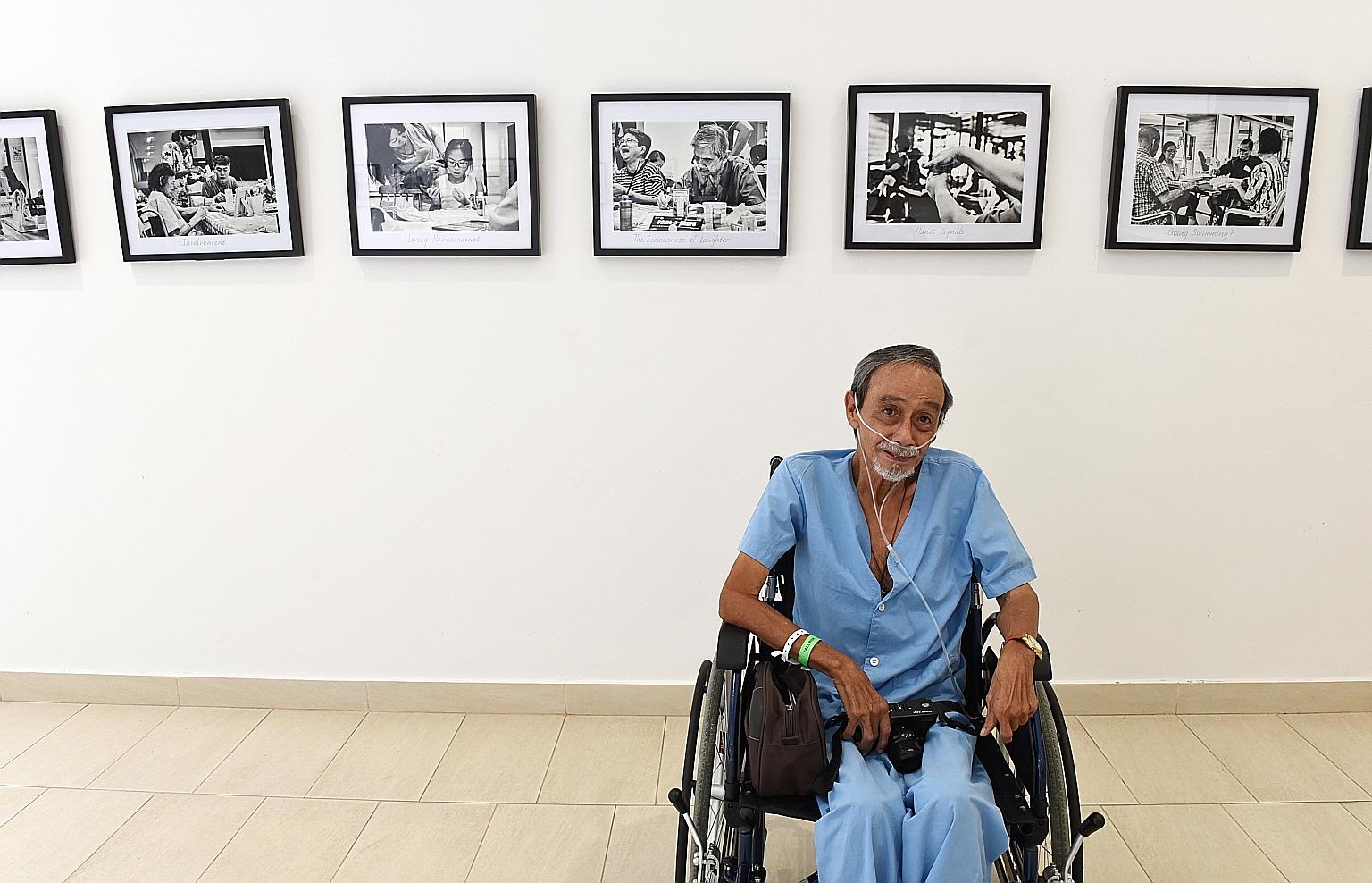
Alan Lee Takes Photos of Hospice Life
A dying photographer’s poignant exhibition documents precious moments at the end of lifeAlan Lee is dying. Since last June, the 69-year old freelance photographer has been a patient at the Assisi Hospice in Singapore, where he is suffering from end-stage chronic obstructive pulmonary disease, or COPD. But Mr. Lee is not in the hospice to die, he said in an interview with The Straits Times. He is…
/
-

“What Dreams May Come”
The movie explores how to cope with loss, offering fantasies of the afterlifeFew films are as imaginative and surreal as “What Dreams May Come.” From the very beginning, the film takes viewers through scene after scene of fantastic backdrops and warped, yet beautiful, landscapes. But beyond this stunning facade, the film has a much deeper purpose. It shows us how we grieve after a loss and eventually…
/
-
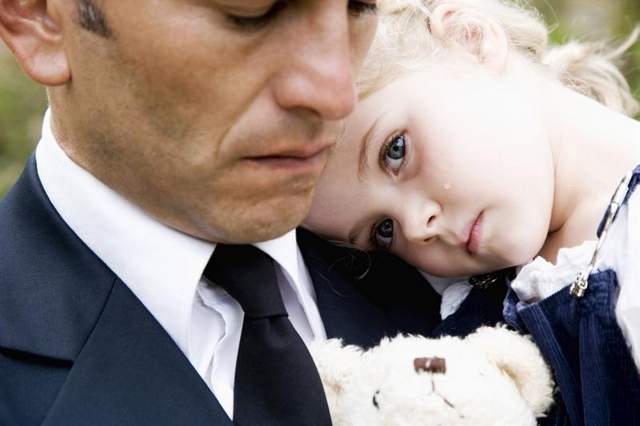
Our Monthly Tip: Bringing a Child to a Funeral
Old enough to love is old enough to grieveOur Tip of the Month Alan D. Wolfelt, PhD, an expert on bereavement, has said that anyone who is old enough to love is also old enough to grieve. He is an advocate of bringing a child to a funeral service or a memorial service if the child wishes to attend. There are some steps…
/
-
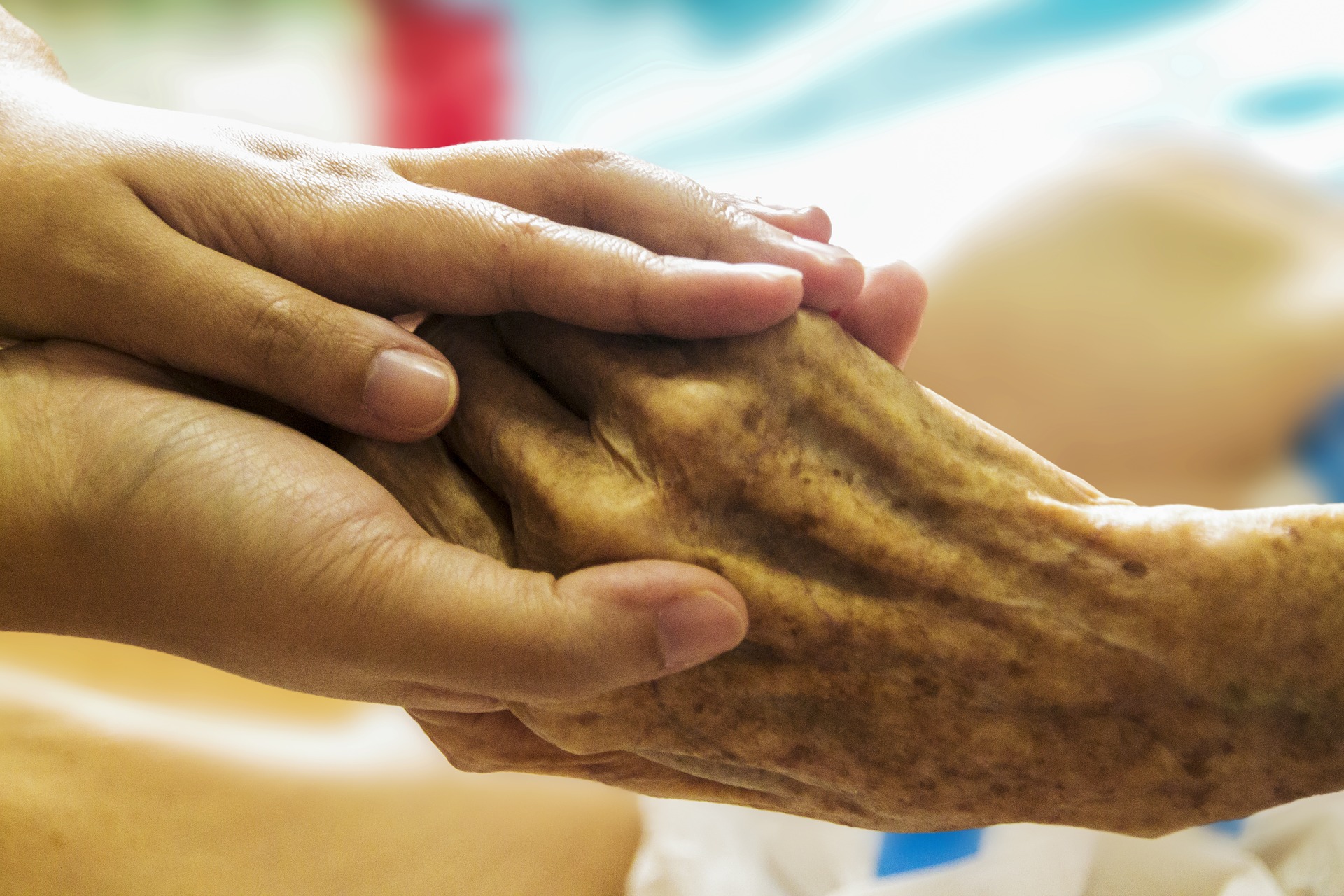
Conducting A Life Review Before Dying
Life reviews can be very beneficial for someone who is dyingIt’s fair to say that realizing and accepting that we will all die is very difficult for most people. As we go through our day-to-day activities, it’s not something we are constantly thinking of. However, terminally ill people are constantly aware of the fact death is approaching. And one beneficial tool they can use to…
/
-

Visions as Messages at the End of Life
Opening to the mysteryBy the time my mother-in-law was dying, I had been a student of those facing the end of life for many years. They taught me to expand my awareness and be open to the mystery of visions and the messages that they can contain. Comfortable with this phenomenon, I was looking forward to the possibility…
/
-

-
How Does Nutrition Affect The Bereaved? (Interview)
An interview with Frances Holmes, nutrition consultant and grief practitionerToday SevenPonds speaks with Frances Holmes, a certified nutrition consultant and integrative grief practitioner. She specializes in helping people change their diets to improve their quality of life and also works with the bereaved. Frances’ practice is based on the fact that many people dealing with grief and loss don’t realize that their nutrition and…
/
-
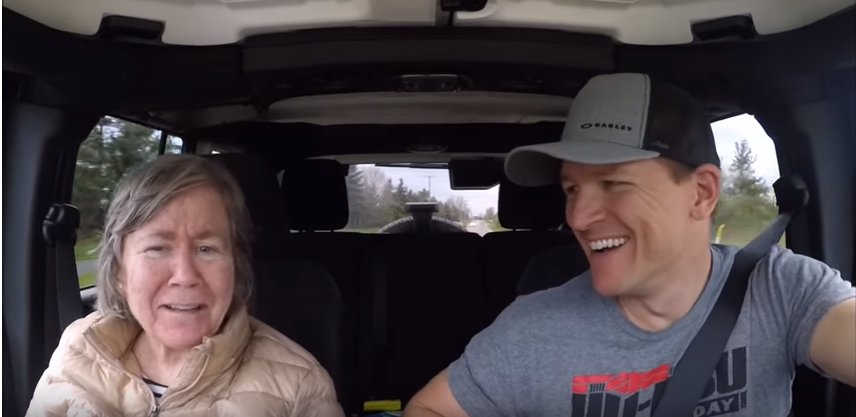
YouTube Series “Molly’s Movement” Shows Us What Coping with Dementia Looks Like
Each week, a man films his mother’s experiences with Lewy body dementiaClinically speaking, Lewy body dementia, or LBD, is a brain disorder that impacts a person’s behavior, movement, memory and cognition, along with basic bodily functions like blood pressure and bladder control. But for Joey Daley, this sterile list of symptoms doesn’t capture what coping with dementia is actually like on a daily basis. This is what…
/
-
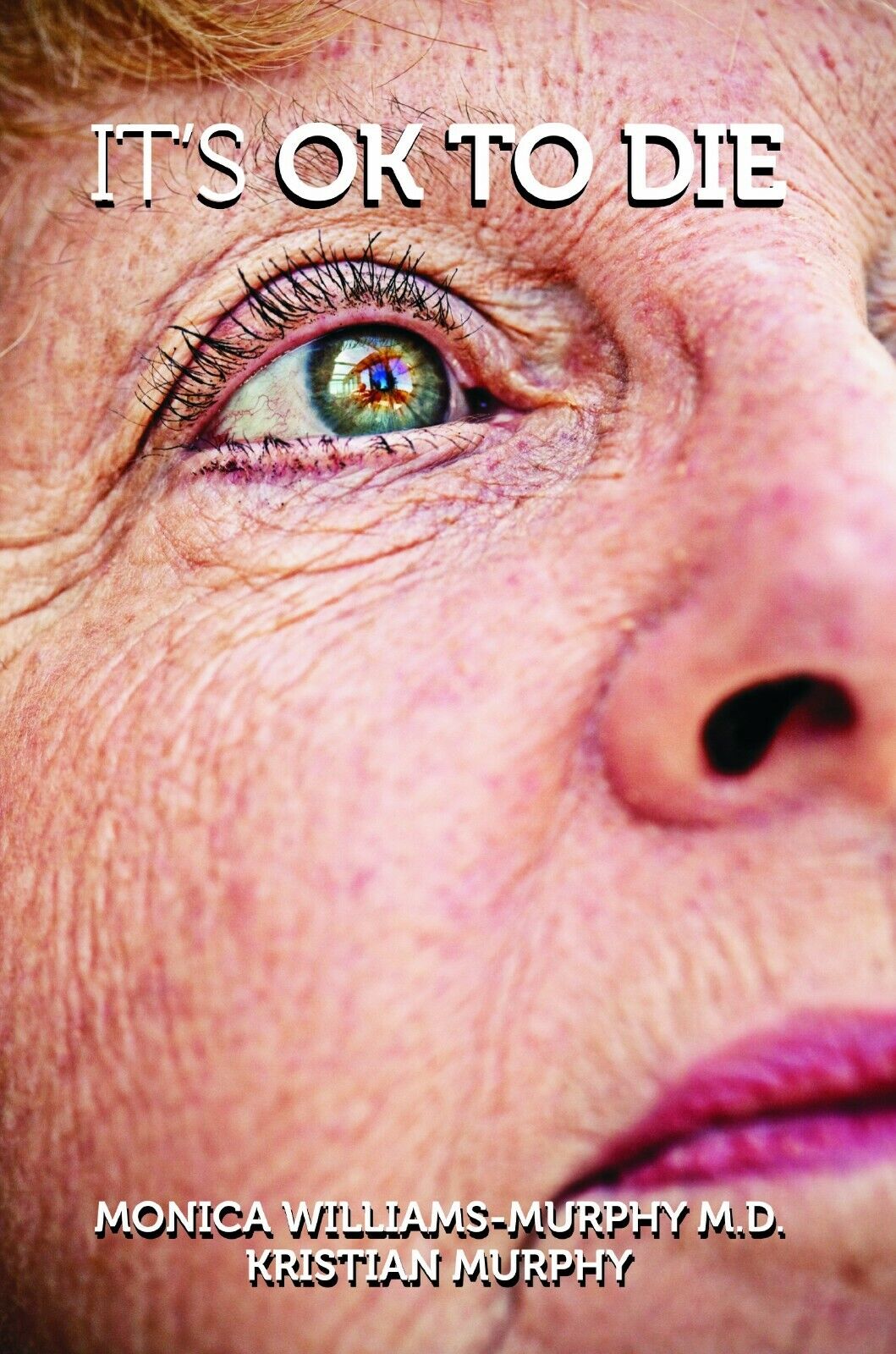
“It’s OK to Die”
A book about making difficult decisions regarding end-of-life care“It’s OK to Die” was written by Dr. Monica Williams-Murphy, an emergency room physician, and her husband, Kristian Murphy. Dr. Williams-Murphy writes about how difficult it is to treat critically ill people who do not have advance directives. If the patient is not able to make decisions for him or herself, a surrogate must step…
/
Want an Easier Way to Plan a Memorial Event? Get our FREE guide
“7 Ways to Create an Amazing Celebration of Life”

