

How Do You Use Healing Harp Music with a Seriously Ill Loved One? (Interview)An interview with harp therapist Portia Diwa
This month I had the pleasure of speaking with Portia Diwa, Healing Harp Clinical Faculty at California Pacific Medical Center. She plays healing music for patients and teaches the Healing Harp Certification program for harpists who want to learn how to play at the bedside. Portia also directs the Harmony Harp Ensemble for children and…

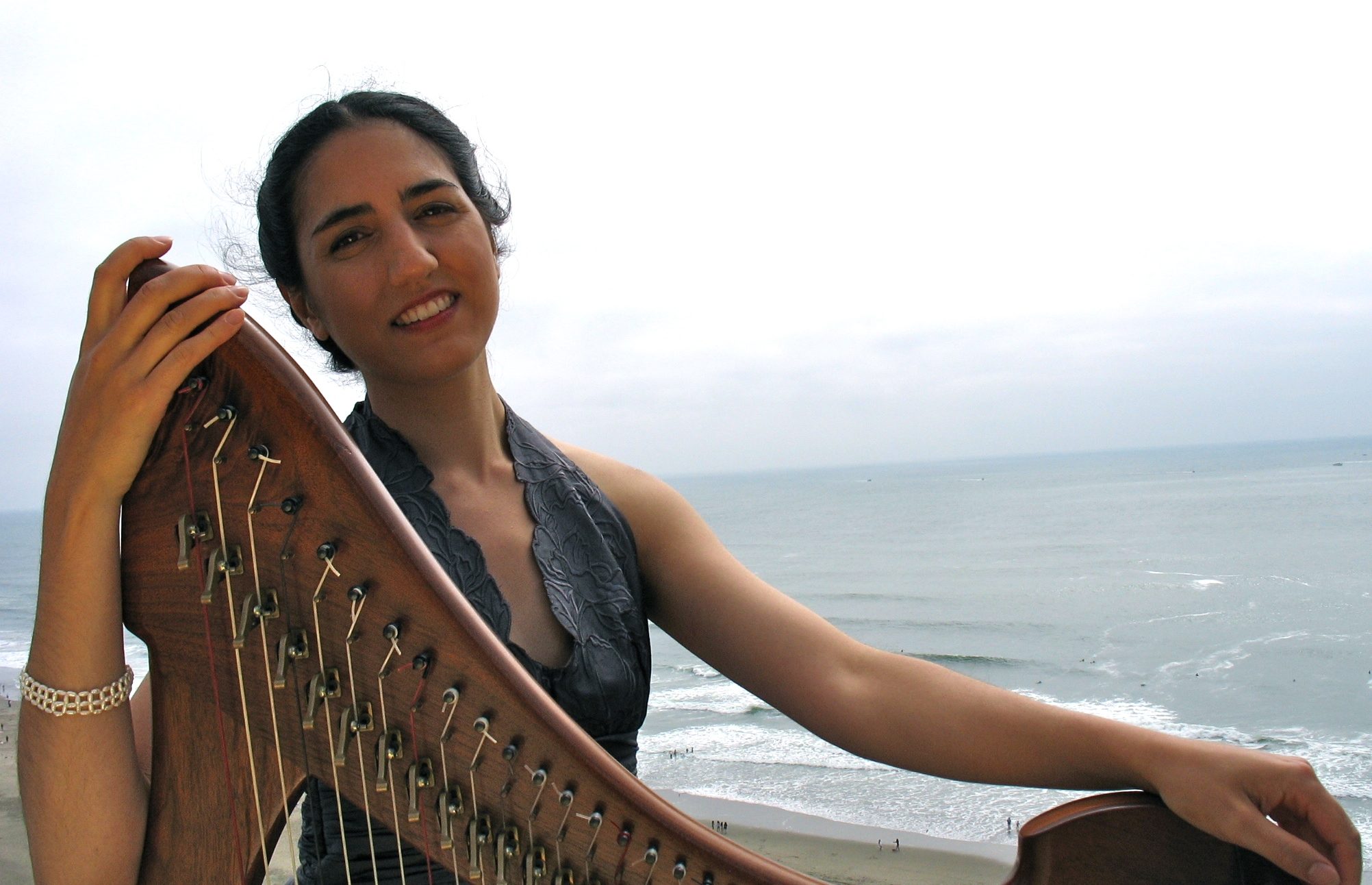
This month I had the pleasure of speaking with Portia Diwa, Healing Harp Clinical Faculty at California Pacific Medical Center. She plays healing music for patients and teaches the Healing Harp Certification program for harpists who want to learn how to play at the bedside. Portia also directs the Harmony Harp Ensemble for children and the Healing Harp Ensemble for adults. She is on faculty for the Sound, Voice and Music Healing Certification Program at the California Institute for Integral Studies. Portia has performed both as a soloist and as a member of various ensembles.
Editor’s Note: This interview has been edited for length and clarity.
Debra L. Stang: Portia, how do you approach patients and their families about harp healing music?
Portia Diwa: I knock on the door to see if family or friends are present at the bedside. The patient is often asleep or unconscious, but if he or she is awake, I will talk to him or her, too. I explain what to expect from healing music and the possible benefits. Then I offer to play the harp for a while.
Debra: What is a typical healing music session like?
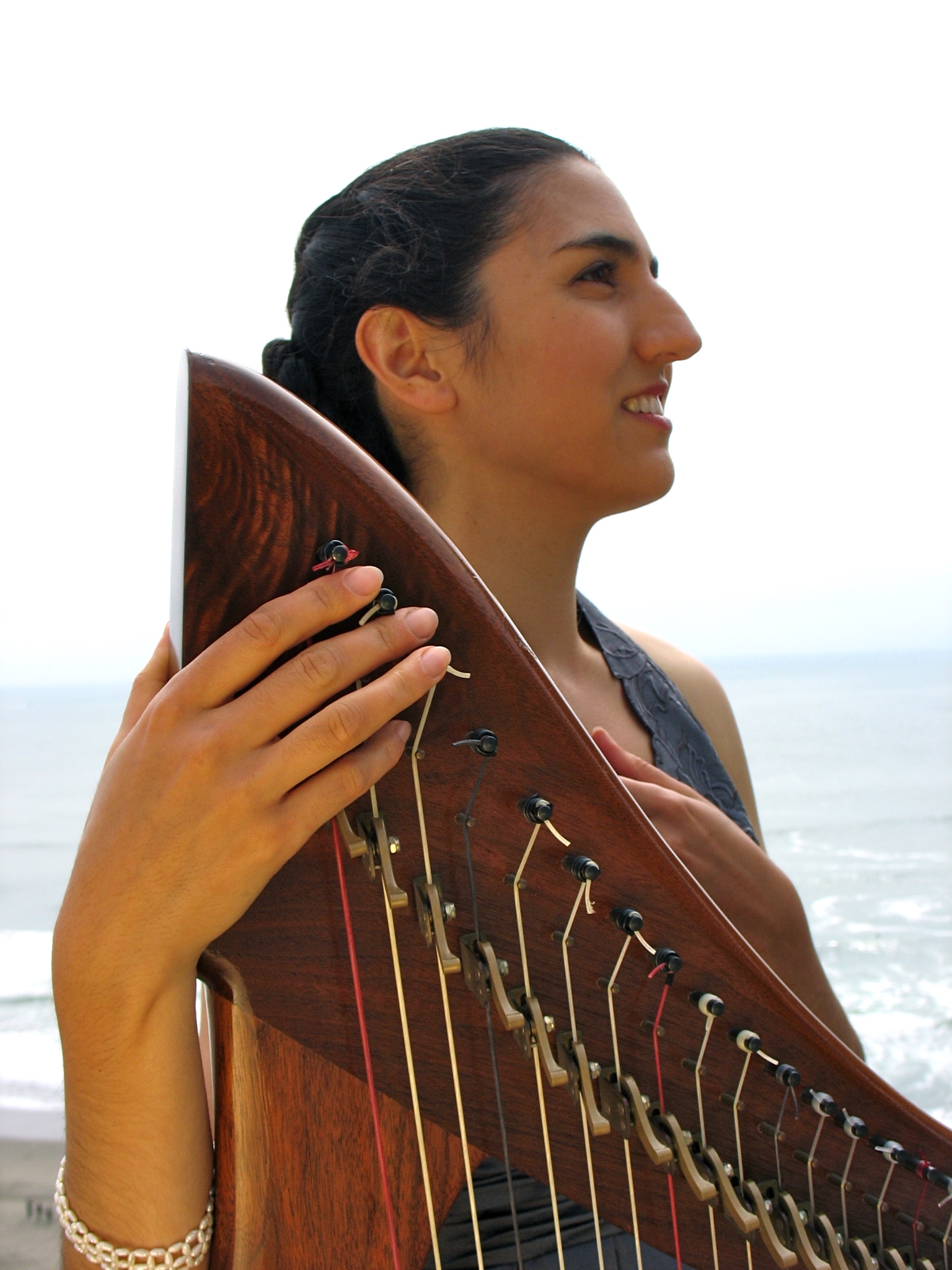
Portia: I play a small harp that my father constructed for me. I usually play slow, soft music with a Celtic influence. Each session lasts about ten minutes.
Debra: Do families ever request certain musical selections?
Portia: Not often, but it does happen. “Amazing Grace,” for instance, is a popular request. I try to meet these requests when I know the music or can play it by ear. Over the years, I’ve developed quite a large repertoire of songs that I can play.
Debra: What are your goals when you play for patients?
My goals are more subjective than objective. For instance, an objective goal would be attempting to use music to lower blood pressure. My goal is to use my harp therapy to create a calm environment and a cradle of soothing sound.

Debra: How do people respond to your music?
Portia: Often the patient is too ill to give much of a verbal response. Their loved ones often describe the healing music as “relaxing,” “peaceful” and “calming.” Others report that the music takes them back to a powerful memory like being in a childhood home or elicits other senses like the smell of a favorite food. This is especially the case if I am playing requested selections.
Debra: What is it like for you to play healing music?
It’s hard work, but it’s also very meaningful. I believe that if I touch just one person’s life, I’ve done something important with my life. For me, playing the harp is a spiritual practice. I feel the music comes from above through me. For that to happen I have to be completely present and clear in my mind.
Debra: Is there anything I didn’t know to ask?
Portia: I’d just like to say that I think as far as healing music goes, it is more beneficial to use a live musician than a CD. Live music can be tailored to the person where they are in that moment. For instance, a live music therapist can change their playing to match the patient’s breathing or can be available for a request.
Debra: Portia, thank you so much for your time. I’ve enjoyed talking to you.
Portia: Thank you, Debra. I’ve enjoyed talking to you, too.
May We Suggest:
 How Do You Use Healing Harp Music with a Seriously Ill Loved One? (Interview)
 What is the Nature of Sound Healing? (Interview)
 How Can Music Provide Comfort in End of Life? (Interview)


Leave a Reply