

How Ketamine-Assisted Therapy Can Be Beneficial for End-of-Life (Interview)Dr. Nan Herron, a psychiatrist and death doula, discusses how psychedelics can help some patients approach end-of-life matters with greater peace
For some people, the end of life is accompanied by what clinicians call “psychospiritual distress;” the anxiety, despair and existential dread surrounding the unknown future. Traditional tools for treating this form of distress — like antidepressants, counseling or chaplain visits — can offer some relief, but many patients continue to face their death with fear…
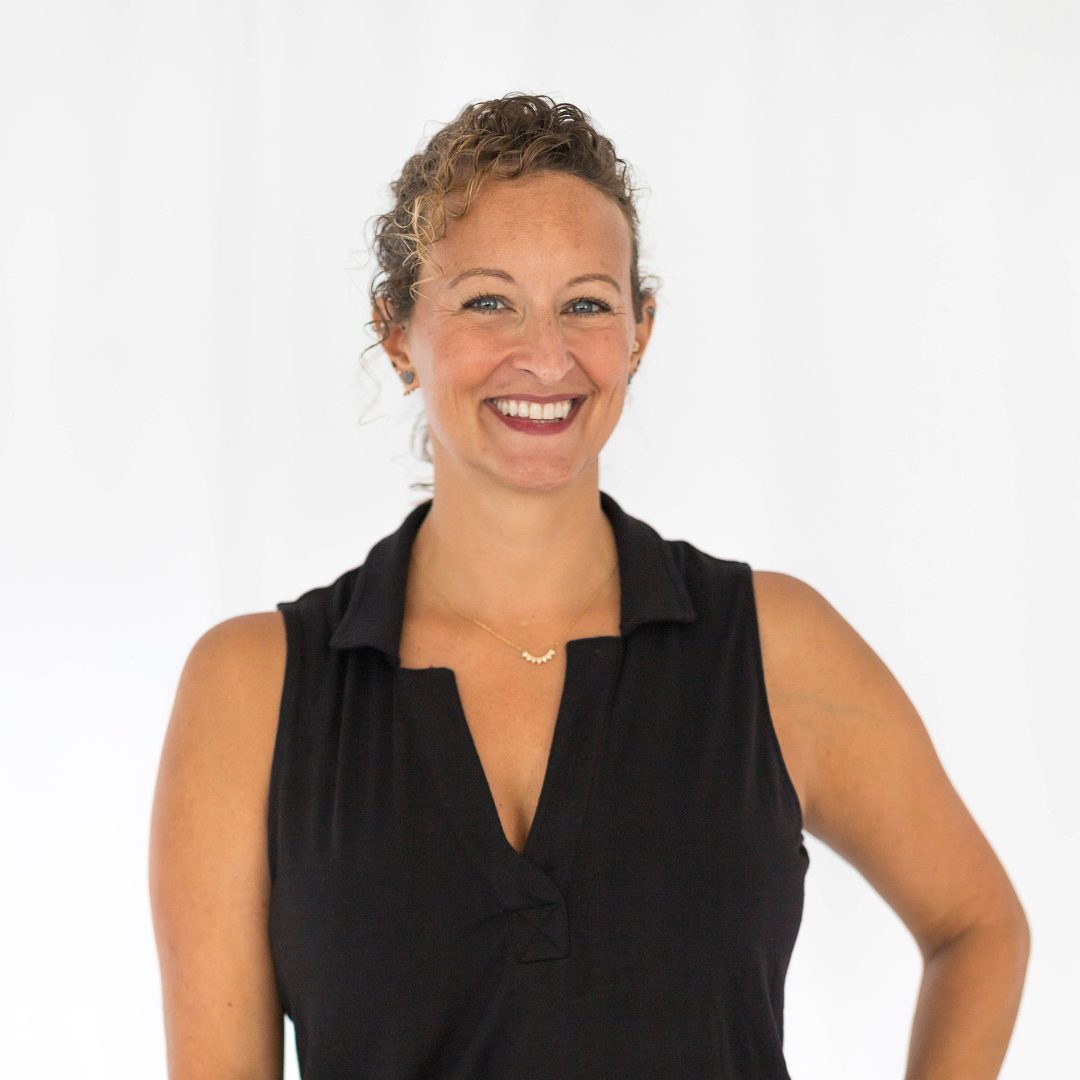
For some people, the end of life is accompanied by what clinicians call “psychospiritual distress;” the anxiety, despair and existential dread surrounding the unknown future. Traditional tools for treating this form of distress — like antidepressants, counseling or chaplain visits — can offer some relief, but many patients continue to face their death with fear and discomfort.
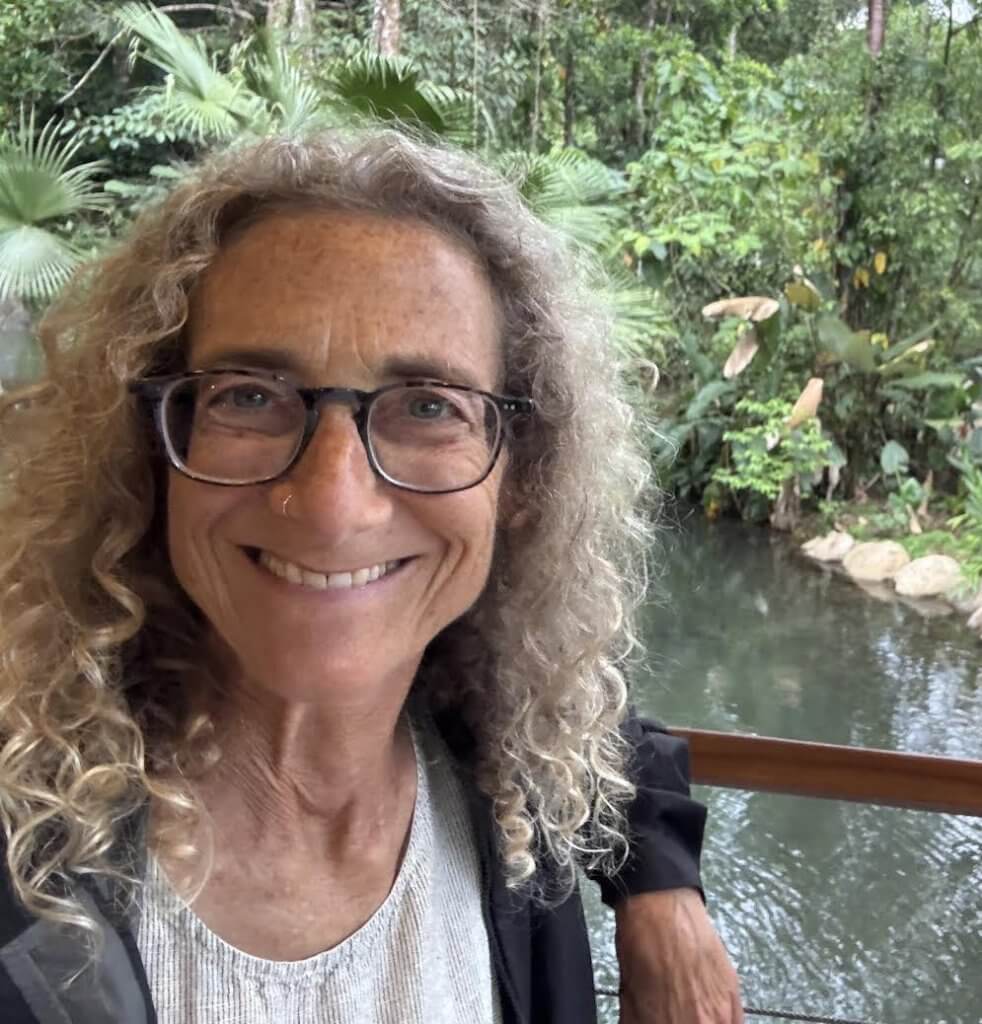
When conventional treatments aren’t sufficient, non-Western Medicine-inspired methodologies can offer alternative avenues of hope. Dr. Nan Herron, a psychiatrist and death doula in Berkeley, CA, believes that ketamine-assisted therapy (KAT) is a powerful resource in her practice, able to catalyze profound exploration and relief.
KAT is an innovative therapeutic approach that combines the psychoactive medicine ketamine with psychotherapy to enhance and deepen the healing process. When administered in lower doses, ketamine — an anesthetic long used in operating rooms — can not only decrease sensitivity to pain but create hypnotic, dream-like, or even fully dissociative trance states.
We spoke with Dr. Herron to get a better understanding of what KAT looks like, who it might benefit the most, and how it is helping some patients find peace when other therapies have been ineffective.
This interview has been edited for length and clarity.
Can you tell us a little bit about how you got into psychedelic medicine, and how it applies to people dealing with end-of-life?
I moved from New York to California 12 years ago — out of the blue — for three months to escape the winter, and then never left. I was going to do a three-month visiting psychiatry job in a hospital, but that turned into a career, and staying put here.
I got introduced into the world of psychedelic medicine because there’re so many limitations with what Western psychiatric medications offer, in terms of what we can do for people. We can help depression and anxiety to a certain extent; we can manage psychosis. But psychedelic medicines kinda hit the brain from the inside out, and real change happens when people are like, ‘Wow, I have a completely different viewpoint,’ as opposed to being like, ‘Yeah, I feel a little numb and my depression isn’t as bad.’ So that was very appealing to me.
About six years ago, I left the hospital setting because it got to be too depressing. It was hard working with patients who had an opposite agenda to what I was working towards; either they wanted to stay and it was really time for them to go, or they really wanted to go but were too suicidal and had to stay. I was done fighting with my patients. I wanted to work with people who said, ‘I’m coming to you with a goal, with a mission, with a vision. Can you help me put it into place?’ so I could say, ‘You got it.’ So now I do outpatient work.
And then more and more, I decided to embrace the idea of being an elder – I’m 65, and I stopped dying my hair – at the same time that all of my parents’ generation started to die. My mom is alive and well, but my dad died. And my step-parents, with whom I was very close, died, and an aunt I was very close with, passed as well. And I really began to see that even for people who are incredibly well-resourced, what limitations there are for [treating] people who are dying.
Part of what happens in the psychedelic therapy world – if you are any good, you seek to explore it from the inside out. That is, you go to trainings and workshops and retreats, which aren’t necessary, but it doesn’t make any sense to be a practitioner of psychedelic medicine if you don’t have any personal experience with psychedelics. And I began to develop a very different relationship with death. The idea of, ‘Oh, it’s just another way of being.’ Yes, it’s horrible and full of loss and pain and missing people, but there’s so much that we could do to do things differently. So I wanted to understand how, as a physician, I could use what little power I have in this world to make things better.
California is incredibly sweet when it comes to open-mindedness with death. There’s medical assistance in dying that’s available; there’s a lot of compassionate care and death with dignity programs, so I went about educating myself. I wanted to have the academic background, the broader national perspective, so I completed the death doula training offered by UVM [University of Vermont], which is an incredible program, as well as some death doula training offered by local folks. I really wanted to understand what there is, locally, as well, and I got connected with this amazing group of death doulas: Final Passages in Sonoma County.
How did you discover ketamine’s benefits for this kind of therapy?
Ketamine is a psychedelic medicine that is legally available in California, offered for depression, anxiety and a few other things. Its use is expanding pretty rapidly, and it seemed to be an obvious choice of a medication that could help folks who are having anxiety about dying, or for caregivers who are a part of that world. I was having conversations with some death doulas out here, who are in their late 70s, early 80s, who have a lot of experience with psychedelics, you know? But a lot has changed since they were taking it recreationally 45 years ago — which in theory I have nothing against, but in my mind it’s a waste of time and resources. When I talk about psychedelic medicine, it’s in a very controlled therapeutic setting with lots of preparation and medical supervision.
These death doulas were very interested in the idea of using psilocybin for therapeutic purposes, which is decriminalized in nearby parts of California, and is very accessible. I mean, people are growing it in their basements. But I can’t use it legally in my practice. I can’t show up as Dr. Herron and say, ‘Let’s do some mushrooms.’ When I suggested ketamine, their initial reaction was that it sounds cold, it’s a chemical… but I referred them to a friend who has a clinic where you can safely experience ketamine. The clinics tend to have soothing music and beautiful little fountains and pillows, a real spa atmosphere, and the death doulas came out of that saying, ‘Forget what we said. This is great. Let’s do it.’
What does the process of ketamine therapy look like?
Typically, someone approaches me — sometimes it’s a family member, sometimes it’s someone who is dying — and they say they’re not okay with dying. ‘This is really not okay with me. I want to feel better about it, I want to understand it better, and I hear you have something that might help.’ Or the family member might say ‘I’m having such a hard time understanding that this is really the end, and just how to manage all this anxiety.’ Because there’s just not that kind of support out there.
So for my practice, I work with a friend who has a clinic. I don’t have a clinic; I can’t access the injectable version because it’s a controlled substance, but I work with a couple of places that do. And we do a lot of preparation, at least three therapy sessions when we discuss what the patient is looking for, what they’re worried might come up in a session, and what their goals might be. We also discuss if they’ve had any prior experience with psychedelic medicine, and what their relationship is with the idea of death.
I always do a thorough trauma history, to find out what really difficult things have happened in their lives that have shaped who they are and what they think of from time to time. People might say, ‘There’s this thing that happened that I never told anyone,’ and we can discuss what they think they might do if that comes up on their journey. What if that becomes really vivid during the experience, are they prepared for that? So we work with that in a therapeutic way beforehand, which is why it’s so important to have a therapist involved in any psychedelic experience.
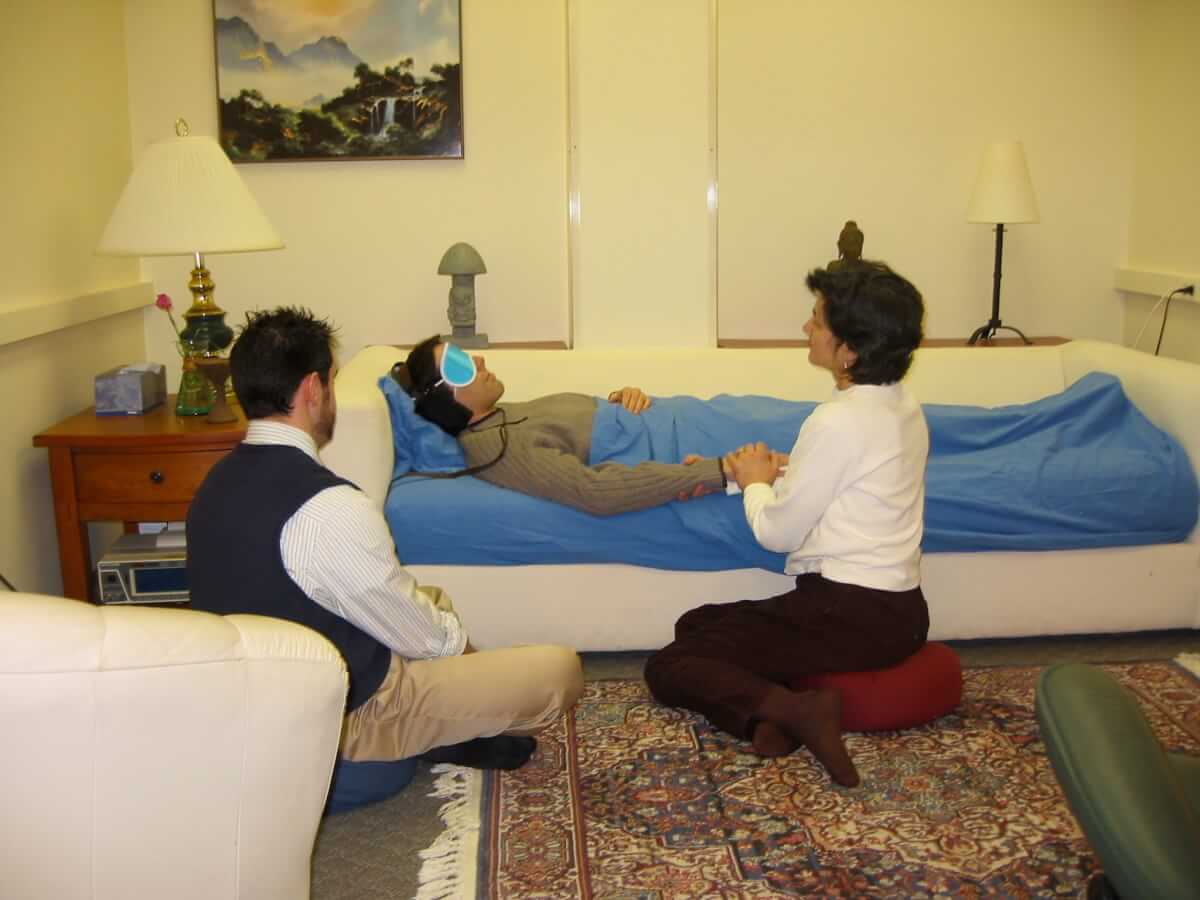
Once we feel ready, I instruct the patient to prepare themselves like they would for a spa: wear comfortable clothes, bring an eye mask, and we pick a playlist together with soothing instrumental music. They can’t eat for a few hours beforehand, because it might upset their stomach, and then we administer a very small injection, usually subcutaneously because it has a more subtle onset.
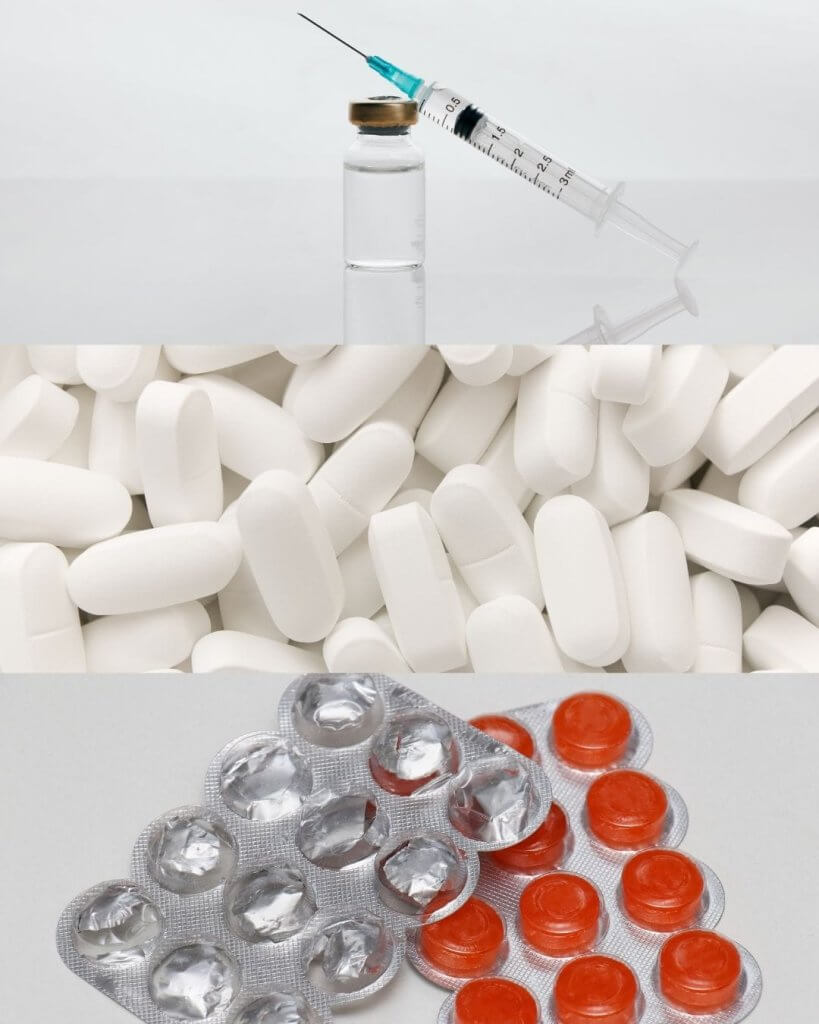
Ketamine can be offered by injection, by mouth, or intravenously (IV), so there’s a lot of flexibility. The most common ways to administer ketamine are injection or by mouth. Mouth is awkward, because it doesn’t taste so great, and you need to hold it in your mouth for 15-ish minutes. Your mouth fills up with saliva, and it gets absorbed into your mucus membranes. But it’s the easiest way, in some ways, because a medical person doesn’t need to be there, they can just prescribe “troches,” which are lozenges that slowly dissolve.
Ideally, though, you would go to a clinic that is really well-versed in this, where they give you an injection and there’s a medical person sitting there with you the whole time, in addition to (hopefully) a therapist.
One of my huge pet peeves of this world is that there are ketamine clinics that say, ‘Nice to meet you, write me a check. We’re gonna inject you or give you an IV, and we’ll see you in an hour.’ People are always like, ‘It was a horrible, scary experience.’ Well, yeah! Because it was managed really poorly! You need someone doing a lot of preparation, like therapy and education, and sitting there offering a hand – literally – the whole time.
Usually what happens is people are really worried about what the experience will be like, and they’re really nervous. So when we just give them a tiny bit of ketamine, they almost immediately relax. After a few minutes go by, when they seem comfortable with the experience, we offer a bigger dose by injection. It all depends on what the patient wants. Some people are like, ‘That was plenty, can we do that again?’ Because ketamine is very short-acting. Its effects can be as short as 20 minutes. And it all depends on your personal metabolism and a lot of other variables.
Then, if the patient is ready for the larger dose, it’s often a dose where people “check out.” They go… wherever they are gonna go. It’s important to understand that they cannot control where they’re going to go. It’s just not an option. We can set intentions in our preparations, we can do guided imagery, but it’s all about what’s going on in your brain. That’s why we always ask people if there are matters that they really want to avoid, because that’s not how psychedelics work. If you’re trying to avoid something, you’re either going to spend the whole time being anxious about it coming up and spending energy pulling away, or it’s gonna come up and be terrifying.
For folks who have a lot of depression and anxiety, ketamine itself will treat that over the course of five or six sessions, over a number of weeks. We typically recommend at least two talking sessions before and after each ketamine session, to discuss what you want to happen, what you’re scared of. Many people will say they only have one agenda, one intention, and then it will shift completely. They thought they were coming in for something and then they realize there’s all this stuff from their past that they’ve been suppressing that’s affecting everything else.
What can you do if a patient is having difficulty with whatever they’re experiencing?
If someone is really freaking out, we don’t want to make it go away right away, because it could be really valuable material. Sometimes people will get scared and say, ‘Oh my God, I’m gonna go, I’m gonna die. I’m not going to exist anymore. I don’t know where I’m going.’ And my role is to hold their hands and say, ‘Yeah, you’re doing great. You’re doing great. I’m right here.’ It must be terrifying, but if you can turn toward it and ask it what it has to teach you, that’s crucial, because for many people that’s why they’re here.
So we don’t want them to avoid it, we want them to be open to it, to inspect it. During our preparations, we tell folks that if something terrifying does turn up, we’re going to keep you totally physically safe. We can come up with a signal ahead of time, like if they’re scared I can squeeze their hand, and reassure them I’m still right there, reminding them that this is a ketamine journey and we can go there together. I can ask them to describe what is happening, or focus on breathing and imagery.
The bad experiences I’ve heard about are when therapeutic preparations haven’t been properly done or there isn’t any supervision during the journey. People have been left alone while they thought they were dead, or don’t know where they are, or need to use the bathroom and are panicked because they don’t know how to do that. I’ve had people need constant reassurances that I’m still there the whole time.
And I’ve learned, as a psychiatrist and as a death doula, that language is really important. For example, I have learned to never tell someone that ‘they’re safe,’ because people will be like, ‘I’m not safe! I’m in the middle of this crazy experience!’ or ‘There’s a monster right here!’ or they’re re-living a traumatic experience. They might be confronting that awful thing they can’t get past. So instead I say things like ‘I’m right here with you,’ or I remind them they’re on a ketamine journey in a place where they’re physically safe.
If there’s something that’s really distressing, too scary, as a last resort I can prescribe benzodiazepines. Lorazepam, for example, is a medication that will pretty much stop a psychedelic experience in its tracks by making the person fall asleep. So if the journey is more than they can handle, I have an injection available that works very quickly. And then, we will work with what happened in whatever way is most therapeutic.
What does it feel like to take ketamine?
It’s impossible to describe a psychedelic experience to somebody who hasn’t had one. I mean, I’ve been really impressed by the fact that with psychedelics, you can have the same person using the same dose of the same medicine and have a completely different experience from one to the other. And some people will say, ‘That was so mind-blowing, and I went to this other land and talked to these people,’ and then the next time they take the same dose, they say, ‘Are you sure that was real medicine, because I don’t feel a thing.’ So, I’ve stopped trying to explain it. There’s too many variables at work.
For the most part, it takes you to a different place. Many people describe it as somewhere all the chatter and trivialities fall away. Like, ‘I can’t believe I was worried about this, I can’t believe I’m mad at that person about this,’ or ‘I gotta do something about that as soon as I get home.’ Or, people come out of it asking why they’d been wasting their time being scared of death, when they could be taking their wife to Paris, or filling out the paperwork they’d been avoiding that would make life for their survivors so much easier. In many situations, people have a perspective shift that you just can’t have any other way. You can’t suggest it to them, it has to come from the inside.
What are you able to see from the outside? What are people typically doing or saying while on a ketamine journey?
Most people, but not all, get really quiet, because there’s just so much going on internally. Some people will have this kind of running narration, like ‘Oh wow, oh, do you see that? Oh, whoa…’ And then some people will say things like, ‘Oh my God, my brother.’ And so we write that down, so that we can bring it up later in our therapy. Or a lot of the time when the patient talks it’s not entirely discernable. Every once in a while, I’ll get a total chatterbox, and I’m just scribbling notes like crazy. But more often than not, I have people who are totally silent, and then as the ketamine is wearing off they’ll say a bunch of stuff they want to remember, but it’s not always easy to follow. Kind of like, ‘Wait, there’s this thing about my mother I didn’t remember, and th- she’s in the kitchen, and this thing happened, and oh my God,’ so I write it down, and in the next session — later that day or the next day — I’ll bring up that they mentioned it, and they’ll be like ‘Oh my God, I totally forgot about that, I’m so glad you reminded me.’ So it’s hard to hold onto everything you see, because you’re in a completely different state of being, which makes it difficult to access on your own.
Ketamine is called a dissociative anesthetic, because it makes people feel disconnected from their body. So people will often ask ‘Who’s hand is that?’ and I’ll just calmly say, ‘That’s your hand.’ And they’ll just kind of go, ‘Huh.’ That’s one of the reasons why we work so hard to make sure they’re comfortable, because you’re not really in control of your body when the ketamine is active in your system. When you finish the ketamine, in 20 or 40 minutes (sometimes longer), we help you stand up, because there can be some residual dizziness or weakness.
With psilocybin, people will run around and dance, and do yoga – it’s a completely different medicine.
How does ketamine therapy compare with psilocybin or other psychedelic medicines that are used therapeutically?
People can also try psilocybin [another psychedelic medicine], which is more broadly offered; it’s legal in Colorado and Oregon, and New Mexico just legalized it. There was actually an NYU study that offered psilocybin to folks with terminal diagnoses, and found some really positive results.
But they’re really different medicines. I would say the pharmacokinetics, the actual chemistry and physiology of it is really different from molecule to molecule.
The cost is different, too. Ketamine is extremely practical; I mean, it’s legal – which is a big plus. It’s not cheap, though. The sessions can be expensive, which puts it out of reach for some people. Whereas psilocybin is not that expensive. As I said, there are people growing it themselves, which is a little costly to get set up, but it’s still pretty cheap.
I think the biggest difference is how they’re ingested and how long they last. Psilocybin lasts three to five hours. LSD lasts 10 to 12 hours. So, that’s a commitment. And then psilocybin at one gram is super different from three grams or five grams or eight grams. So, much of it depends on what kind of journey someone is looking for, and what they’re willing to tolerate in terms of letting go of control. The same goes for ketamine. There are folks who are really happy at 50 milligrams, and some other people prefer around 400 milligrams — like, ‘I wanna go to outer space.’
There are so many psychedelic medicines out there. There’s a huge underground world at this point, concentrated in the areas that you would expect, but there’s also churches that are designated [like Zidedoor, “Oakland’s Church of Entheogenic Plants”], and there’s stuff that’s legal in Canada and Mexico and South America that aren’t legal here. And once you get into that world, there’s a big network of folks, but they’re all different.
When you talk to folks in the psychedelic world who have a lot of experience, they will tell you that some medicines agree with them, and some really don’t. People develop relationships with these medicines. For example, with psilocybin, a lot of people get really significant nausea, or throw up. And for some people, that’s a deal-breaker. For others, they see it as a purging, or a cleansing. And then some people don’t experience any nausea whatsoever. It’s a very personal relationship.
What are some common outcomes with ketamine therapy?
I have a couple of friends who were nervous about doing this kind of work, and now they’re like converts. There’s this really strange thing that happens to a lot of folks who get into this world, where they feel like, ‘Everybody needs to know about this! This is a big deal!’ Not that they’re going to use ketamine every other week for the rest of their lives. A lot of folks do a certain amount of therapy and then they’re ready to move on. But they’ve learned a lot; they’ve often figured out how to have the life they want with the help of this medicine.
Sometimes, it has allowed them to figure out that one aspect that had them so stuck, and everything just falls into place, like dominoes. You can go to these psychedelic retreats, for a weekend or a week, and a lot of people will come out of those saying, ‘Wow, I wish I’d done that a long time ago.’ Because they’d been in therapy for years, and were stuck. They knew what they needed to do, but couldn’t change. And this kind of therapy allowed them to do what years of conventional therapy never accomplished.
For a lot of people, their focus, their goal is achieved, which is often, ‘I want to get rid of this anxiety so I can live what life I have left to the fullest.’ And that’s why I got into this, because that’s what I find so meaningful. If you’ve got six months, if you have three months, you’d better figure out how you want to use it. Some people want to get their affairs in order, and that’s great. You can pull in a death doula to sit down with you and plug through that paperwork. Or if you want to sit with your loved ones and your pets and stare out at nature, okay, let’s create a scenario for that.
Ultimately, we help people get rid of the anxiety, or at least have the intention of asking the anxiety to go over there so they can really design their death. Plan who they want to have present, what music they want, which interventions they want or don’t want. I know there are people who come into the psychedelic treatment determined to look for any experimental treatment that’s out there, to keep them alive, and come out of it saying, ‘I just want a hospice to step in and make me as comfortable as possible,’ or get medical assistance in dying. So people are getting more autonomy and control and agency, and are less terrified of talking about it, less terrified of asking someone to tell them what their options are.
May We Suggest:
 Can Psychedelic-Assisted Therapy Help Alleviate End-of-Life Anxiety? (Interview)
 Honing in on Psychedelic-Assisted Therapy in Palliative and End-of-Life Care
 Support Grows for Legalization of Psychedelics
-

This interview offers a fascinating look at how ketamine-assisted therapy may help some people face the end of life with less fear and greater peace. Helping someone move beyond anxiety so they can focus on how they want to spend the time they have left can be a meaningful part of end-of-life care.
-
I agree. When fear becomes less overwhelming, people may have more space to focus on what matters most: connection, comfort, and making the most of the time they have left.
-
-
I have had conversations with a number of people about ketamine-assisted therapy for those at end of life. We are aware of it’s use in other ways but this interview with Dr. Herron answers many of the questions and concerns most of us have about ketamine-therapy. It’s good to know it’s an option to assist with the difficulties of knowing the end is near. I am watching my 97 year old father go through this now. I wonder if ketamine impacts someone on blood thinners, especially since they are so common.






Leave a Reply