


How Do We Improve Communication About Palliative Care? (Interview)An interview with palliative care physician Dr. Steven Pantilat
Today, SevenPonds speaks with Dr. Steven Pantilat, a San Francisco-based healthcare professional with an expertise in palliative care. Dr. Pantilat teaches at UCSF, and consults with hospitals and other healthcare facilities on the best methods for improving communication about palliative care. His goal is to help doctors communicate more effectively with patients, allowing patients to…

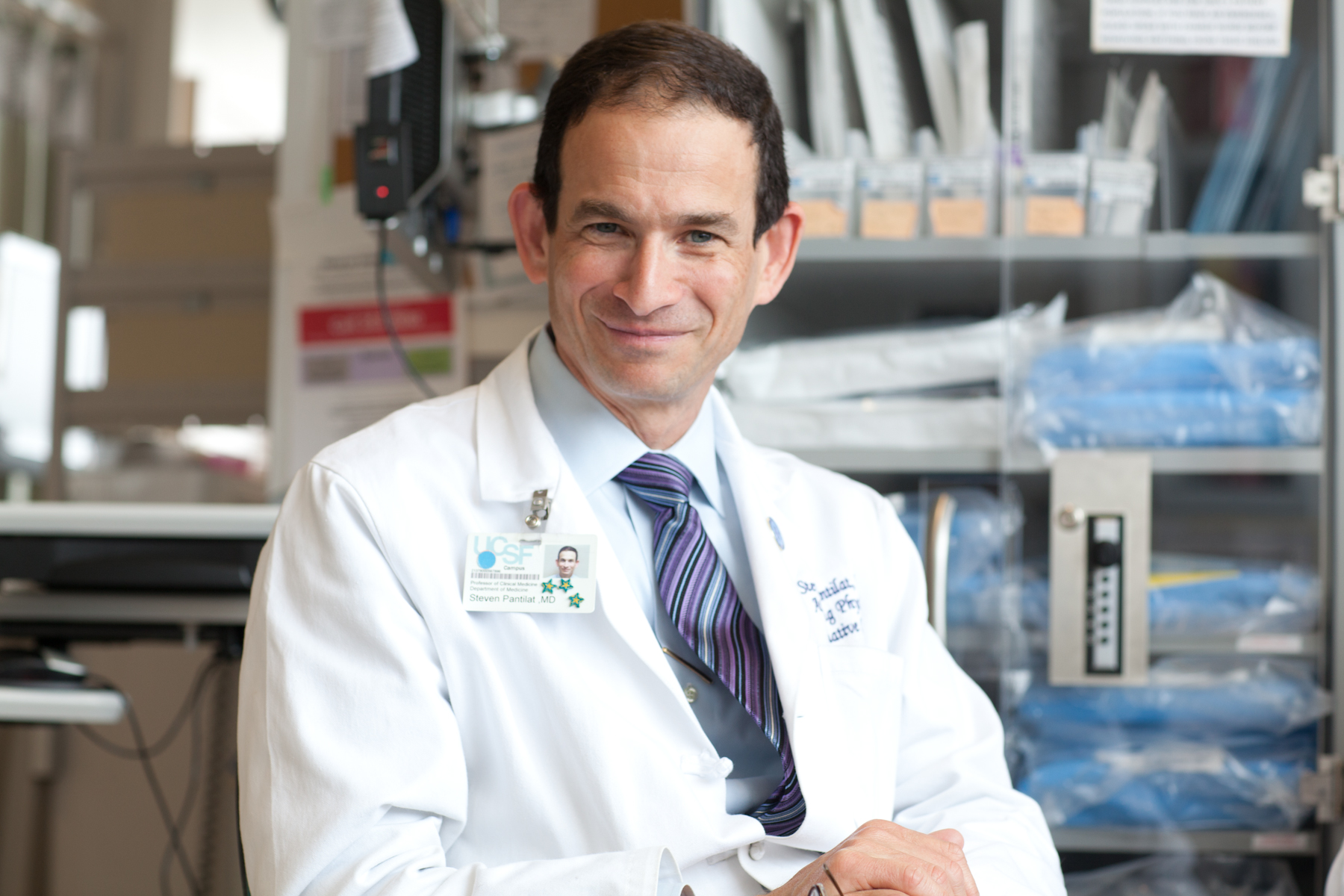
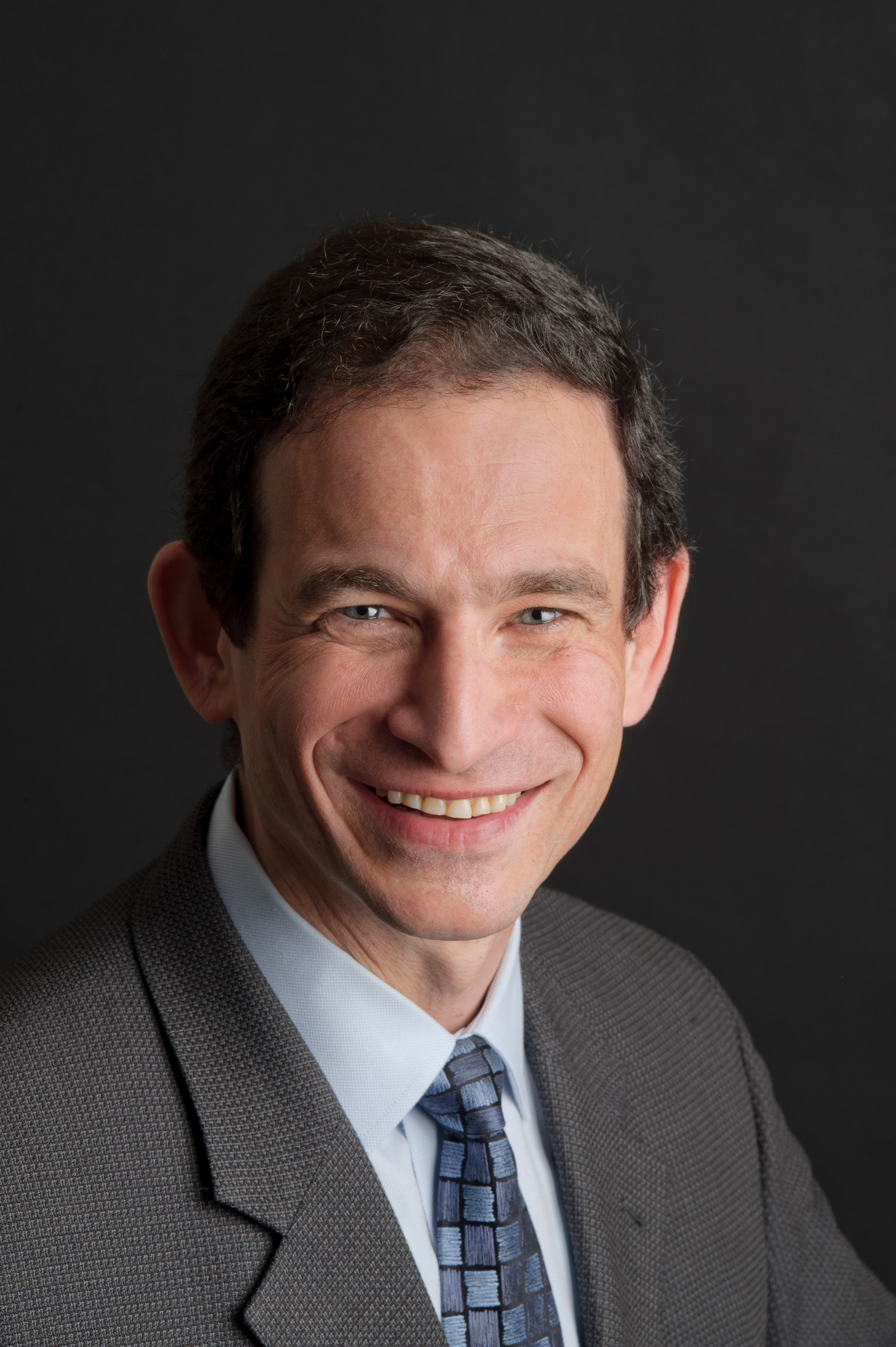
Today, SevenPonds speaks with Dr. Steven Pantilat, a San Francisco-based healthcare professional with an expertise in palliative care. Dr. Pantilat teaches at UCSF, and consults with hospitals and other healthcare facilities on the best methods for improving communication about palliative care. His goal is to help doctors communicate more effectively with patients, allowing patients to make more informed decisions about their palliative care services. In addition to his work in the healthcare field, Dr. Pantilat has also published books about palliative care. He released a book, “Life After the Diagnosis,” in 2017.
Marissa Abruzzini: What made you want to study palliative care?
Dr. Steven Pantilat: I love people, and I love caring for people. Palliative care allows me to really help people with serious illness — there is always something we can do to help people feel better. Palliative care also focuses on caring for the whole person and allows me to really get to know my patients and their loved ones. It’s not that you can’t do that in any other field of medicine, but it’s a real focus in palliative care. I also love that we practice palliative care as a team. I have wonderful nurse, social worker, chaplain and doctor colleagues, and we practice together. It’s a wonderful way to practice.
Marissa: What are some of the common challenges that doctors face when they communicate with patients about palliative care?
Dr. Pantilat: It’s hard to give bad news to patients. It feels bad and makes everyone sad, including patients, families and doctors. And yet, it is essential that patients and doctors talk about difficult things (including the end of life) honestly and openly so that patients can make decisions consistent with their values, preferences and goals, and receive the care they want.
Marissa: What are some of the solutions that you’ve found for this problem?
Dr. Pantilat: In sharing bad news, it is best to say the news straight and directly without jargon or euphemisms. I say something like, “Mr. Smith, I’m really sorry to have to tell you this, but the scan showed that the cancer has grown.” Then I pause. I let the news sink in and let Mr. Smith process it. Too often doctors keep talking to fill in the uncomfortable silence, but patients are often stunned and reeling and can’t hear anything. It’s best to give them time. They may even need to schedule a separate appointment in the future to ask all the questions that will inevitably come up after they leave the office.
Marissa: Let’s talk about that. When you first tell a patient that he has a terminal illness, what are some of the first steps he should take to get the care he needs?
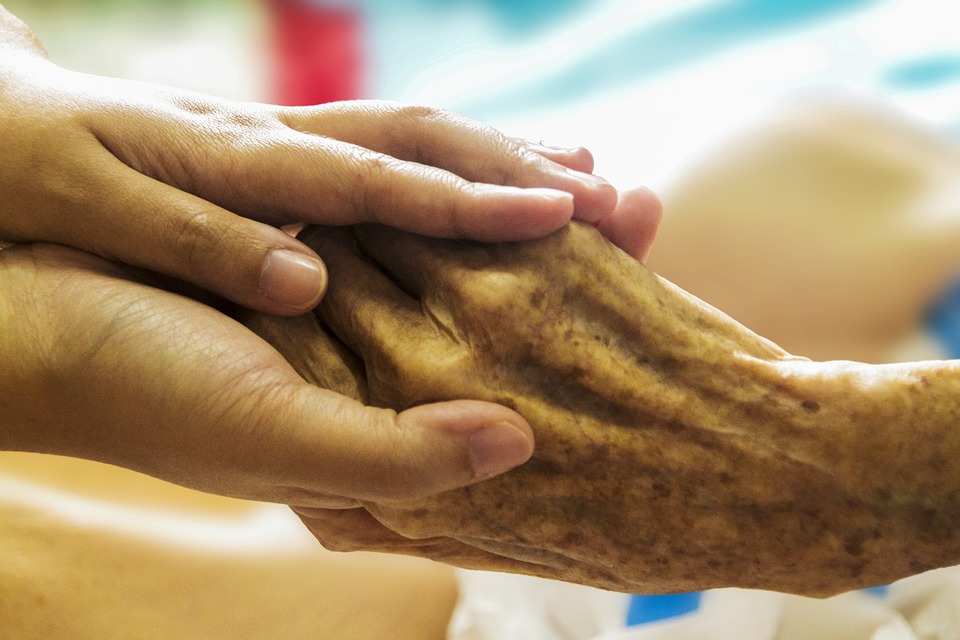
Dr. Pantilat: An important first step after a serious diagnosis is to find the doctor that will care for you through the illness. If you already have a doctor you like and trust, you are ahead of the game. If you don’t, you’ll need to find one with expertise and who has experience with your illness.
Marissa: How does a patient decide whether a certain treatment plan will actually help them or make things worse?
Dr. Pantilat: You should ask your doctor questions. It’s the best way to find out. And make sure you get straightforward answers. Ask about side effects and complications. Ask if you are the type of person in whom the treatment has been studied, and how similar you are to people in the studies. The more similar you are, the more likely that your chances of success will match those in the study.
Make sure you understand the jargon. When a doctor says there is a 30 percent chance of responding to chemotherapy, that means that there is a 30 percent chance that the cancer will slow down or shrink with chemo. But many people think that “response” means that they have a 30 percent chance of being cured of the cancer. You need to undertake treatments knowing the reality, not the fantasy, of what the treatments can do.
Also, you can talk to people who have undergone the treatment. But, in this case, you are more likely to talk with people who have done well with that particular treatment.
Marissa: What can doctors do to make patients feel more comfortable talking about palliative care, and feel less stressed over the process?
Dr. Pantilat: Palliative care itself is not stressful — it helps people feel better. The key is to understand that palliative care is not about the end of life, it’s about living as well as possible for as long as possible. The stressful part is if you think that palliative care means you are dying. It doesn’t mean that. It does mean that you have a serious illness and that it’s important to think carefully about your quality of life, how you choose treatments and what is most important to you.
Marissa Abruzzini: It seems like many patients feel uncomfortable talking about palliative care. What can they do to mitigate their fear of saying “No” to aggressive treatments for terminal illnesses?
Dr. Steven Pantilat: It’s important to realize that as you get sicker, the chances you will benefit from a treatment go down. But you are as likely, if not more likely, to have bad side effects. You may think to yourself, “Well things can’t get any worse.” But they can. Not accepting every possible treatment isn’t giving up. It’s facing the reality and prioritizing things that really matter.
Palliative care is the one treatment proven to improve quality of life for people with serious illness with no side effects. Studies show that people with serious illness who get palliative care live as long, and sometimes longer, than people who don’t receive palliative care. If you have a serious illness, you should definitely get palliative care.
Marissa: Are you noticing a change in how medical professionals handle palliative care and the treatment of terminal illnesses?
Dr. Pantilat: Palliative care is becoming mainstream. More doctors are talking about it and more patients are asking for it. As we have more open and honest conversations about serious illness and the end of life, people will get better care that is consistent with their values and goals. It doesn’t mean they won’t still choose invasive treatments. They often will, as those treatments will have a good chance of helping. But they will understand their choices better and make better choices. They will also be able to think about how choices about treatment impact quality of life and make quality of life as important a goal (if not more important) than just treating the illness.

Marissa: I want to talk about your book, “Life After the Diagnosis.” What made you want to write this book?
Dr. Pantilat: My hope in writing “Life After the Diagnosis” was that readers would get a detailed, concise and compassionate guide through serious illness with clear information that they can’t simply Google. I wanted to share what I have learned in over 28 years of practice caring for thousands of people with serious illness. My greatest hope is that “Life After the Diagnosis” will help people with serious illness live as well as possible for as long as possible, and that the experience of serious illness will be a bit less stressful, painful and scary for people who are sick, and for their loved ones as well.
Marissa: What’s an example of a good palliative care plan? Can you think of any patients you’ve worked with who made these sort of decisions?
Dr. Pantilat: Yes. My patient, Mary, was 82 years old. Mary had very serious heart failure. She’d been in the hospital many times, and this last time really took a lot out of her. The doctors were offering open heart surgery, which would be risky with a very long recovery and a real chance that Mary would die during or soon after the operation. Mary decided to go home and think about it.
I visited Mary and her daughters at home, and Mary talked about what was most important to her: staying in her home, being with family and enjoying whatever time she had left. She didn’t like being in the hospital. Over time it became clear that Mary just
didn’t think the operation would help, and wanted to focus on her quality of life — including her nightly glass of wine that her daughters were worried would make her fall, but that she really loved anyway.
One night, about nine months after her last hospitalization, Mary had her nightly wine, played Scrabble with her daughters and went to bed. She died peacefully in her sleep.
At first it was hard for Mary to decide what to do. As she settled in to her home and found that she really was enjoying her life day-to-day, it became clear to her that surgery just wasn’t right. Mary had a really good nine months, then died peacefully in her sleep (as many people hope to).
Marissa: What lessons can people take away from a story like Mary’s?
Dr. Pantilat: If you have serious illness, get palliative care early. It’s the single best thing you can do for you and your loved ones to live well and long.
This article has been updated from its original publication as of July 2026 to reflect the most current information.
May We Suggest:
 What Is the California State University Institute for Palliative Care? (Interview)
 How Can We Raise Awareness About Palliative Care? (Interview)Can Ayahuasca Heal Grief? (Interview)






Leave a Reply