


The Importance of Hospice Support When Caring for a Dying Loved One (Interview)An interview with Brent Metcalfe, a former hospice nurse, about his experience providing care for his wife
Brent Metcalfe had been a hospice nurse in Massachusetts for 10 years when his wife, Sue, was diagnosed with amyotrophic lateral sclerosis, or ALS. Commonly known as Lou Gehrig’s disease, ALS is a progressive neurodegenerative disorder that attacks motor neurons in the brain and spinal cord. As these nerve cells die, the brain can no…
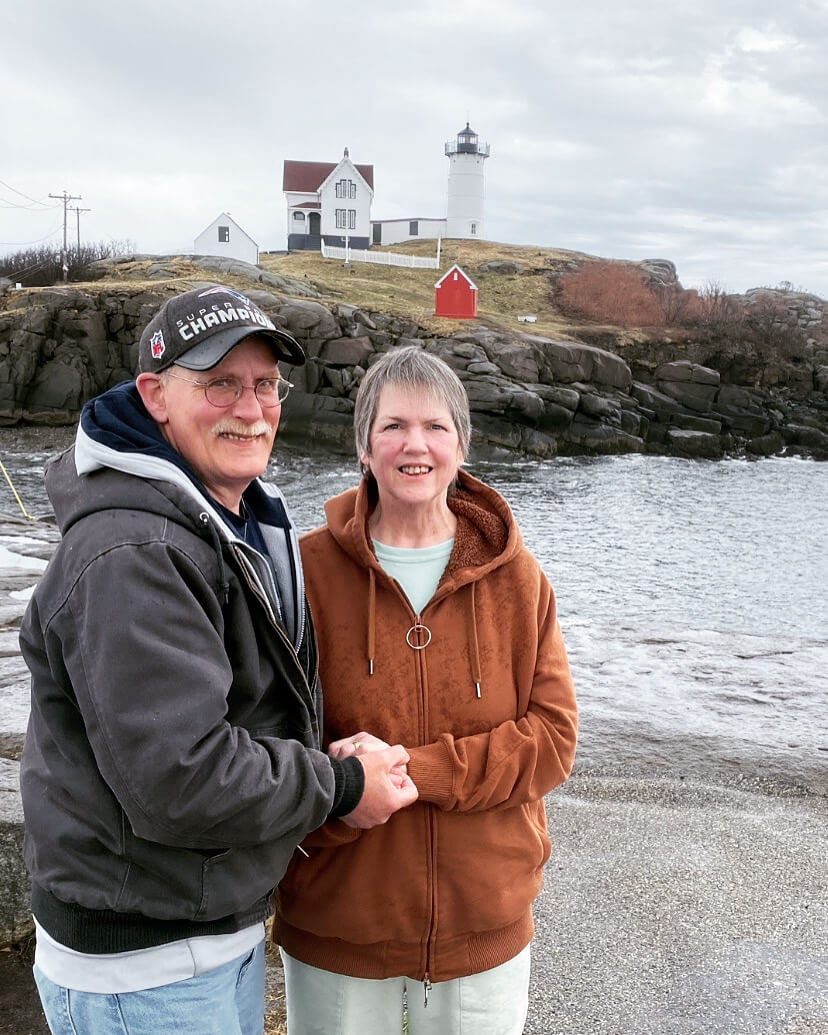
Brent Metcalfe had been a hospice nurse in Massachusetts for 10 years when his wife, Sue, was diagnosed with amyotrophic lateral sclerosis, or ALS.
Commonly known as Lou Gehrig’s disease, ALS is a progressive neurodegenerative disorder that attacks motor neurons in the brain and spinal cord. As these nerve cells die, the brain can no longer control voluntary muscles, leading to muscle weakness, paralysis, and eventually respiratory failure.
Almost a year after Sue’s diagnosis, Brent made the decision to step back from his nursing duties in order to “just be her husband.” Although he was there with her for every step of the journey, Sue received hospice care from another nurse.
We spoke with Brent about his professional and personal experiences in order to better understand what it might be like to provide care for a dying loved one in their final days. Throughout the course of our conversation it became clear that although there are situations in which a family might refuse hospice care, it is not a decision that should be made lightly.
This interview has been edited for length and clarity.
Tell us a little bit about your story.
I started [working in] hospice many years ago because I love everything about it. Hospice has an incredible history, and I think the reason that people don’t tend to want hospice for their loved ones is just that they don’t know what it is. One of my favorite things to do was to sit down with a family and explain to them what hospice is; what we do, and how they would be supported. Because nurses are not an island unto themselves. Hospice is a team approach, and that team approach is really important, because without the social worker and without the chaplain, we might skip over pieces of a person’s life that are really important to them.
It’s interesting that when you talk about your work as a hospice nurse, you refer to whole families, not just the patient.
Hospice is a group experience – you’re there for the family as much as you are to help the person who is dying. That’s the key to the whole thing. If you can get the family behind you in supporting their loved one, things go a lot smoother. I mean, yes, there are going to be bumps in the road. There are going to be questions.
I had people calling me in the middle of the night that wanted to talk about their loved one. I was like, “How could I not?” How could I not sit and listen? Being a hospice nurse was a really, really special time in my life. I’m very proud of it.
I’m really glad that I worked hospice as long as I did, but the reason why I stopped doing it is important, too.
My wife was diagnosed with ALS about four years ago. She died three years ago, now. When she was diagnosed, she was up walking and talking like you and I. And a short year later, she was bed-bound. She could hardly speak, needed help turning and repositioning. And I did not know what I was getting into, even as a hospice nurse.
The problem was that I wanted to — needed to — just be her husband. I didn’t want to be her nurse, but if I can be there for a total stranger, why not be there for her, right? So I acted as her sole nurse until about three months before she passed. I was a wreck. I needed to be able to process all the emotions I was having, and I couldn’t do that while I was acting in a professional capacity. At that point, I called the VNA. As it so happened, the hospice nurse who came already knew Sue and I.
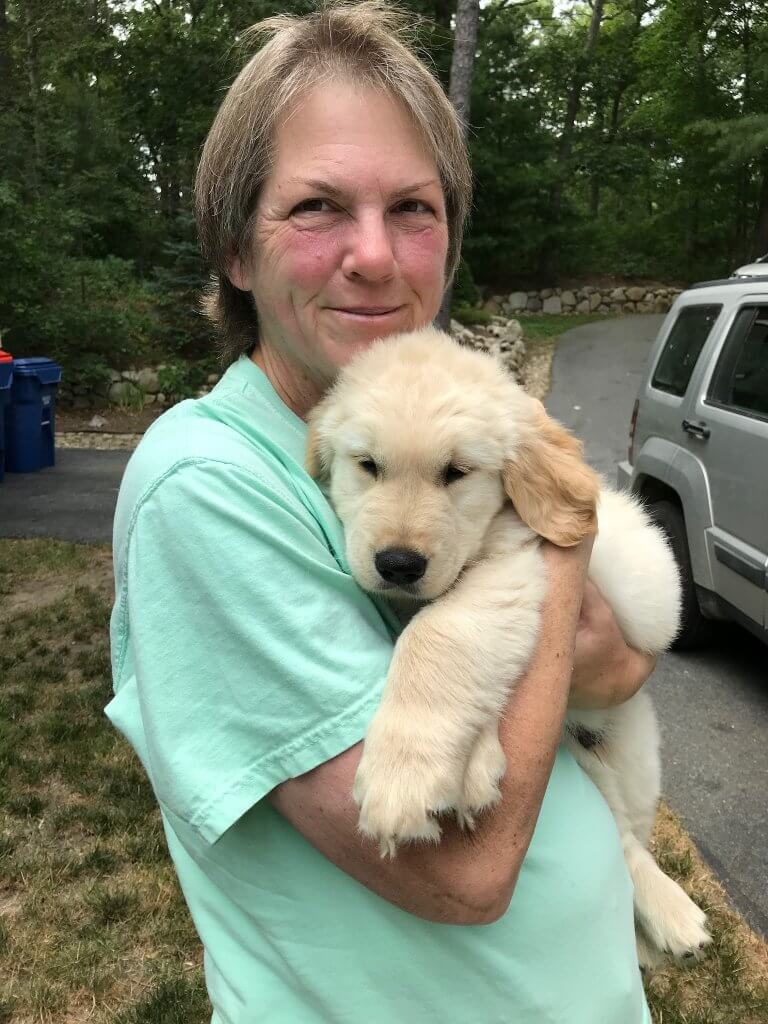
Before Sue got sick, she was a professional pet sitter and dog walker. She left corporate America to open up her own business, started her own pet sitting service, and she did that seven days a week for 10 years. She was really good at it too — she was doing seven, eight dog visits a day. I mean, she was unstoppable. The nurse that came to take care of her was actually one of her clients. So we were pleased as punch that we had somebody that knew Sue and got it, you know?
She was such a lovely hospice nurse. When it came down to Sue’s final day – when she passed away – I was gonna help get Sue ready to go and the whole thing, just like a nurse would do, but our nurse said no. She said, ‘No, you go outside and go for a walk or something, come back in 20 minutes.’ So that’s what I did.
And I’m so thankful for that. I thought about it afterwards, and realized it was the right call. It was really difficult to see Sue after she passed away. I don’t know that you’re ever prepared for something like that.
Is it possible to act as a caregiver for someone dying at home without hospice support?
Yes, but they should really be educated [about what hospice provides]. They could always call hospice and have somebody come in and just do a face-to-face. They don’t have to go on to hospice, but they can get information; it doesn’t cost them anything, it just takes a bit of their time to learn about what to expect.
Anyone trying to do it on their own will need a lot of support from their family, their church, and people in their community. Especially if they can talk with other people that have been through the process already.
Because one of the main things hospice provides is a sense of community. Between having a hospice nurse, social worker and a chaplain, hospice pretty much has it covered. Some people don’t want to see the chaplain, and some people don’t want to see the social worker. That’s perfectly fine. There’s no rules to speak of. And the same thing with people who are trying to do it on their own. There are really no rules. I think the point is to be as educated as you can be.
Are there any situations where hospice might not be the right fit for a family?
It’s absolutely possible. I mean, I’ve had to walk away from families because they said they weren’t ready for it. I’ve had a few – very few – that said that they didn’t want hospice care at all. That’s a personal decision, to be made with family.
But to think that you can get through that process without any help is kind of wishful thinking. There are experts that can help, that want to help.
For caregivers trying to manage on their own, what are the most difficult aspects of caring for someone who is dying?
There are lots of things that are going to be difficult.
Like knowing how to safely turn and reposition the person to prevent bedsores, which is really, really important in hospice care. That’s just one aspect of pain management, because I would say 9 out of 10 patients that I’ve had very near the end of their life dealt with pain just from lying in bed. But if they get a wound, do you know how to take care of that wound, and can you manage that wound on your own, without help.
Or, for example, do they have a doctor that can write prescriptions for pain medication? Does this doctor know what the usual pain medicines are that we can use in the home? And who’s gonna teach the caregiver how to use it?
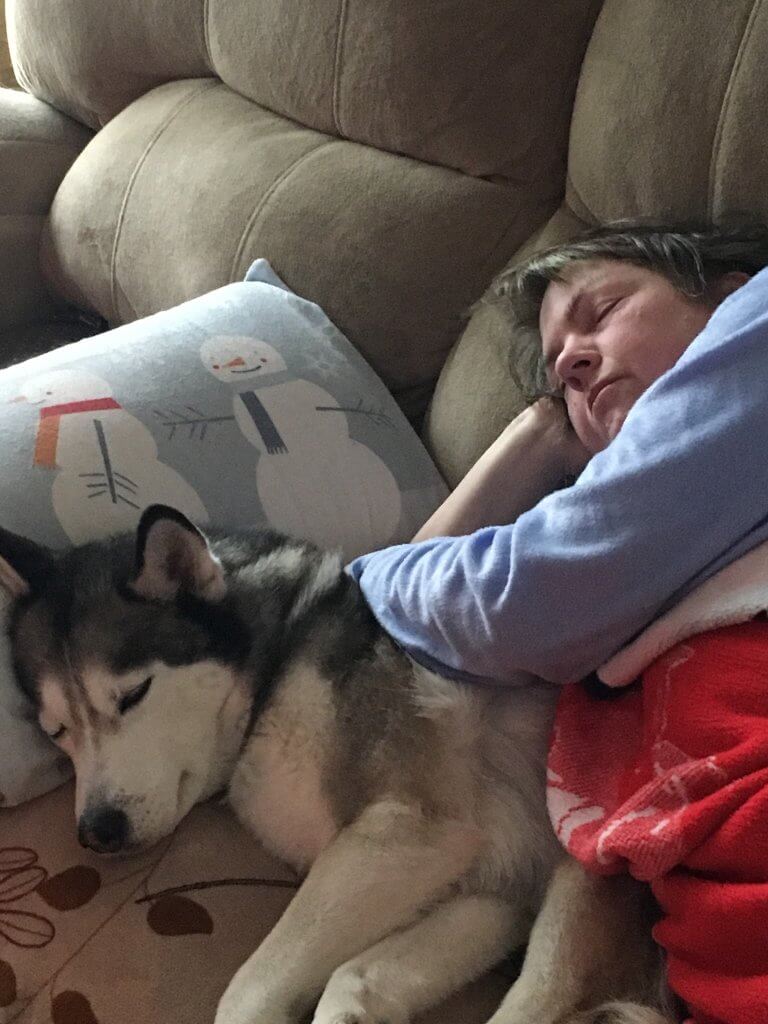
Without hospice to provide help and information, there are all these avenues that you have no idea about yet, like the potential for wounds, or the potential for them waking up in the middle of the night in pain. Will you know what to do for that? Or if all of a sudden your loved one can’t stop throwing up, and you don’t know why, are you going to run them to the hospital? If they develop symptoms that aren’t under control, what is your plan?
A lot of families would get nervous in these situations, and so instead of picking up the phone and calling their hospice nurse, they hit 911, even if they said ahead of time that they weren’t going to do that. When people get into really tough situations, like dealing with pain, diarrhea or vomiting, the hardest part is going to be getting the support that they need from the right people.
Some people hire a CNA to stay overnight if they’re electing not to have hospice. Just to keep an eye on their loved one, in case any issues arise, and so that they can get some sleep.
Was it difficult to draw a line between your personal and professional selves?
Yes, absolutely. That was one of the toughest things I had to cope with. Because I wanted Sue to have the best care, and in any other situation I could have provided that care.
I also had to navigate a lot of areas of healthcare that I wasn’t even aware of, or that I didn’t know how to navigate personally as opposed to professionally. Like, how to get a wheelchair. How do I get her the ramp that goes up to the house so she can use the wheelchair?
There was a huge learning curve for me, but somebody gave me the answers. I didn’t have to do it all myself. That was really the key, that I wasn’t afraid to ask.
What were some benefits of “just being her husband?”
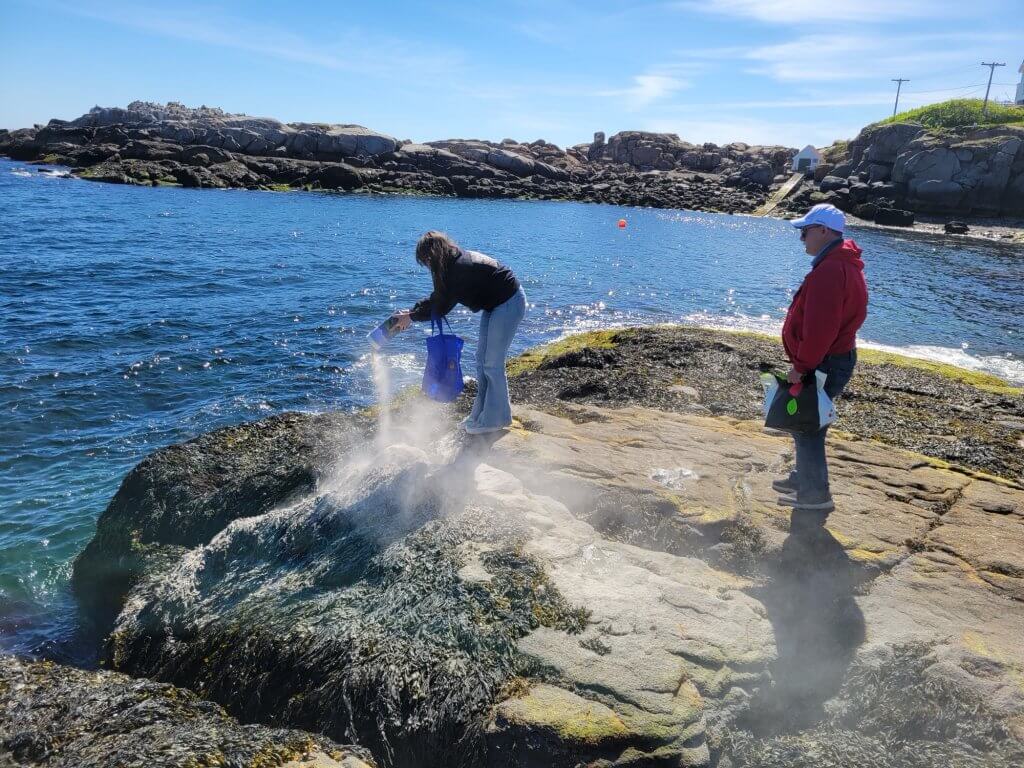
We were able to focus on doing things that she liked to do, like listen to music together. Laying in bed with her. I wanted to be close enough to her that I could see her breathe. She liked that closeness, that intimacy.
That closeness was really important. And having family around. I scheduled her friends to come for little visits. On the weekends, I would have a few of her friends come and visit for about 15 minutes or so. She would get tired really quickly, but those visits were so important, too.
Sue was always overjoyed to see her friends. One of her good friends who also shared a love for dogs put out a blanket text to all of her friends and asked them to write to Sue and let her know how much they appreciated her rescuing all the dogs that she did.
We ended up getting cards and letters from all over the country. I think I counted that there were 70 at one point. And I would take a handful of them and read them to her, to let her know how much she meant to people. And that was really a beautiful thing.
Do you have any advice for people who are hoping to be caregivers without hospice support?
You’re not going to be able to get rid of that feeling that you might be doing it wrong. You’re always going to wonder, you know, ‘Am I supposed to put them on oxygen now? Is now the time to increase their pain medicine?’
They’re always gonna be questioning themselves, so the advice that I would give them is to talk about it with other people. If we were meant to be by ourselves, there’d only be a couple people walking around. But the fact of the matter is that we need each other. And caregivers need all the help that they can get. Friends, family, whoever they care about, whoever supports them.
Is there anything else that you think we need to mention?
Aside from all of the personal considerations, hospice makes some of the financial issues easier. For example, if someone is enrolled in hospice and needs medical equipment, Medicare would pay for it. But if they’re not in hospice, and you need to get a hospital bed – for example – you’d have to buy one, and they’re hugely expensive. So there are aspects that hospice makes a lot easier, outside of just not having to go it alone.
Either way, caring for someone who is dying can be incredibly rewarding. Spending all that time together will create some wonderful memories alongside the painful ones. It’s an intimate, beautiful time.
May We Suggest:
 Comfort After Tragedy: A Love Legacy From a Friend
 What to Say to a Friend Whose Spouse Has Dementia
 “Conscious Dying” Gains Traction as Boomers Seek to Transcend a Death-Denying Culture
-

No one should have to carry the weight of caregiving alone. This interview is a powerful reminder that hospice supports not only the person who is dying, but the loved ones walking the journey beside them.
-
Beautifully said. Caregivers often pour so much of themselves into caring for someone they love that their own needs are quietly set aside. Hospice’s support for the entire family can make an immeasurable difference during one of life’s most difficult seasons.
Penny Melton, SevenPonds Moderator
-






Leave a Reply