


What Are Death Cafés? (Interview)An interview with Lizzy Miles, host of the first Death Cafe in the United States
Today SevenPonds speaks with Lizzy Miles. Lizzy works at a hospice center in Columbus, Ohio, and was the first person to host a Death Café in the United States in 2012. The Death Café movement was originally championed by Jon Underwood of the United Kingdom (who unfortunately died suddenly last summer) based on the idea originally…

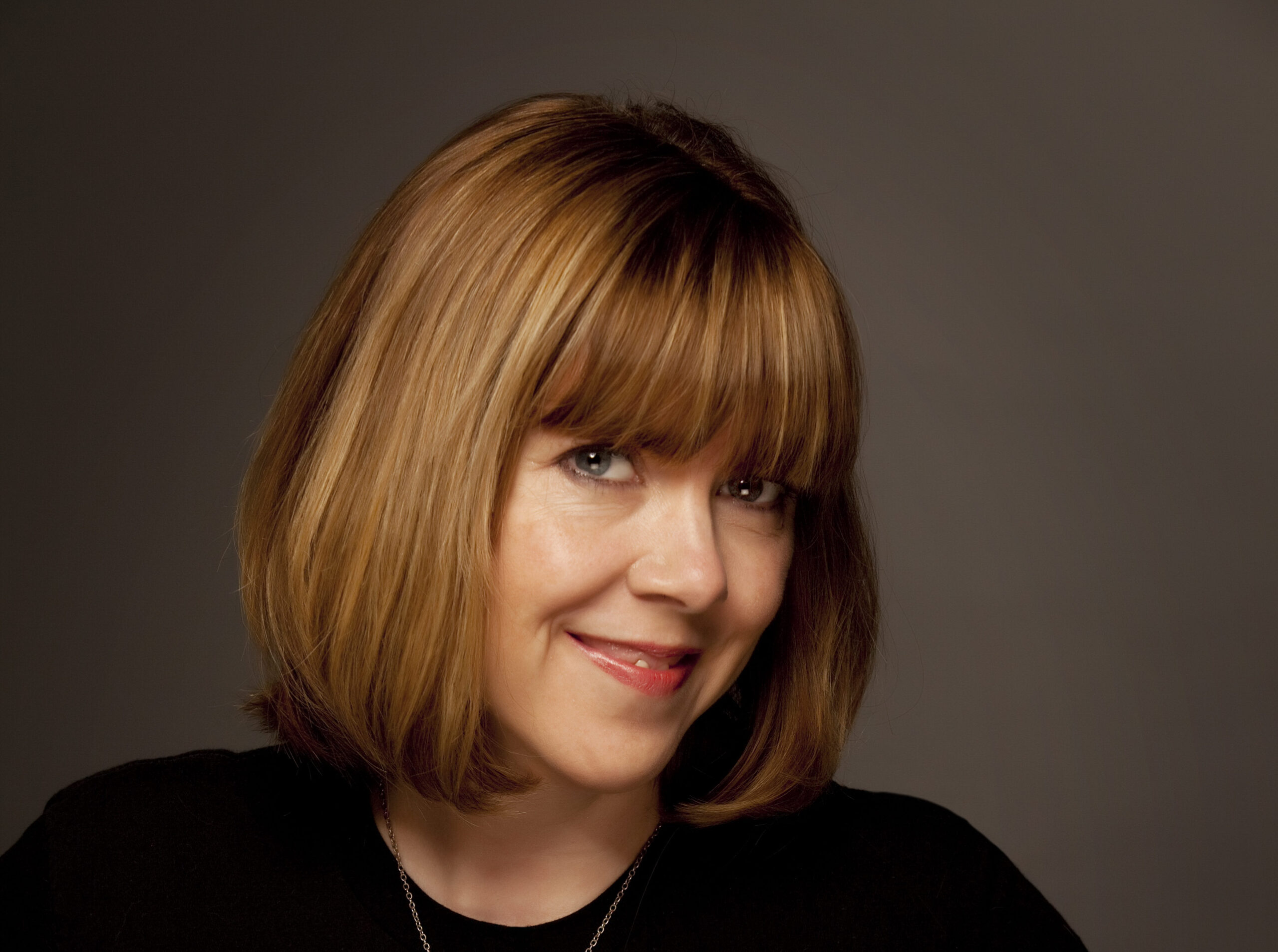
Today SevenPonds speaks with Lizzy Miles. Lizzy works at a hospice center in Columbus, Ohio, and was the first person to host a Death Café in the United States in 2012. The Death Café movement was originally championed by Jon Underwood of the United Kingdom (who unfortunately died suddenly last summer) based on the idea originally conceived by Bernard Crettaz.
Editors’ Note: This interview has been edited for length and readability.
Lucas Morgan: Thank you so much for taking the time to speak with me, Lizzy!
Lizzy Miles: My pleasure.
Lucas: First things first: What is a Death Café?
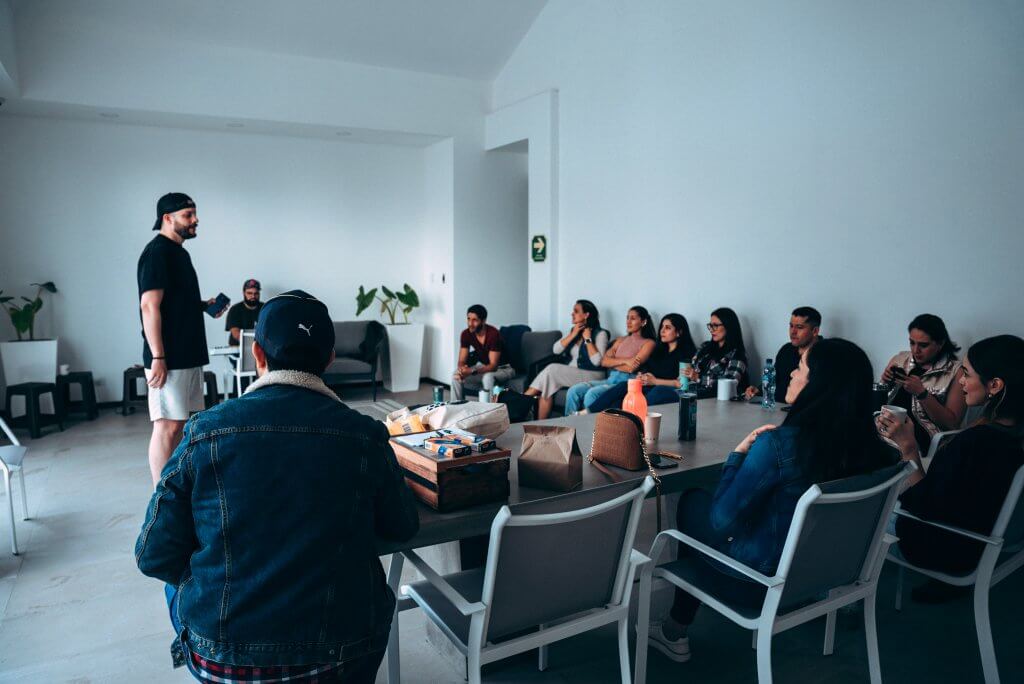
Lizzy: A Death Café is a pop-up event where people get together to talk about death and have tea, coffee and cake. It is not an educational session, a marketing event or movie night. A Death Café is also not a grief support group. It’s simply an open discussion that is attendee driven.
Lucas: Is “Death Café” an organization?
Lizzy: No it is not. The Death Café idea was started by Jon Underwood in the United Kingdom. He read an article about Swiss sociologist Bernard Crettaz, who had held similar events in France. Jon already had a website devoted to the topic of death and dying and renamed his website Death Café. His first Death Café was in the basement of his house with six attendees. His mom was facilitating. At the end, one of the attendees said, “Wow, this was a really great conversation; let’s do it again.”
After his fifth or sixth event, Jon thought, “Well, I think other people might like to do this.”
He then published guidelines for anyone who wanted to host one. Anyone can host, and everyone who hosts is doing it in their free time. So we’re not employees, affiliates or anything like that. It’s all volunteer-based.
Lucas: What is your role with the Death Café movement? How are you involved exactly?
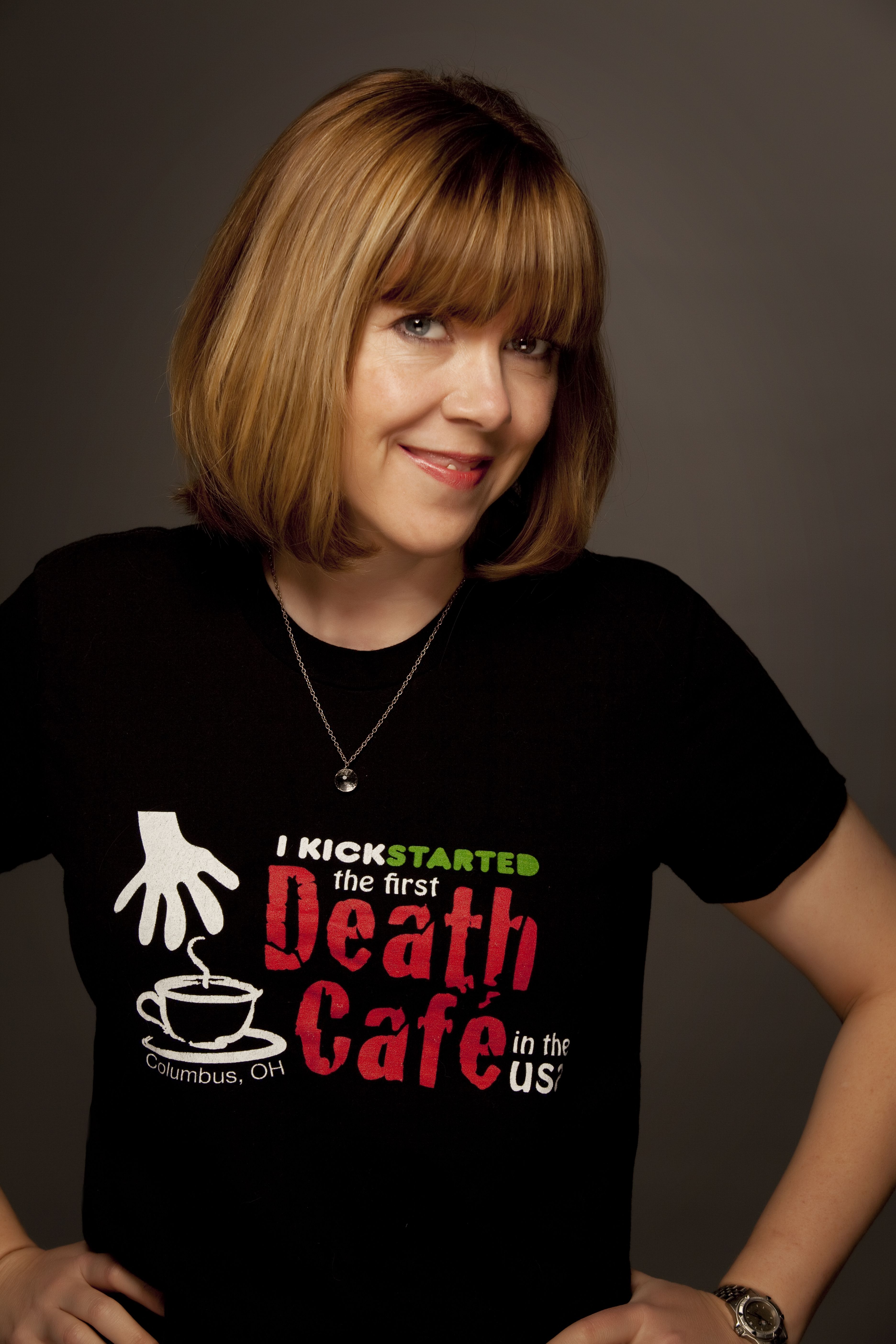
Lizzy: I was the first one to take Jon up on his offer to host back in July 2012. I brought the concept to the United States and was the first person to host a Death Café outside of the United Kingdom. I’ve mentored dozens, if not hundreds of other hosts. I’ve done a lot of media about it, and that led to more people wanting to host them.
Lucas: Where do you host Death Cafés?
Lizzy: When I first started, I approached a few different places and they all turned me down. They looked at me kind of sideways, like, “Why would anyone want to get together to talk about death?”
I eventually went into a Panera that had a community room, and it just so happened that the district manager was there. It turned out she had recently lost a loved one, and so she thought it was a good idea.
I’ve hosted at Panera, funeral homes and libraries, among other locations. Some people have them at churches, houses, classrooms, universities, etc. So it’s really any place that’s open and accessible to the public.

Lucas: Why did you decide to start hosting Death Cafés in the United States? Why do you think they are so important?
Lizzy: Since I work in hospice, I see lots of people that are in shock that their loved one is going to die, and in a bit of denial. My initial intention was to host these events to help people become more comfortable talking about death.
I quickly learned, however, that the only people who came to the events were already comfortable talking about death and dying. So it didn’t fix anything. But it met a need that was there. There are plenty of people out there who want to talk about death, but it didn’t “change the world” like I’d hoped it might!
Lucas: In your experience, have people who weren’t previously comfortable talking about death come to a Death Café and been “changed,” for lack of a better term?
Lizzy: No, not really. If someone doesn’t want to talk about death, they are not going to go anywhere near a Death Café. I have good friends who’ve never been to a Death Café even though I was the host. I don’t think a person who didn’t want to talk about death could even be dragged to discuss it.
That being said, there were a few Death Cafés I hosted in classrooms where students, who didn’t really have a choice about attending, came around afterwards and said they had become more comfortable talking about death. But these were students who were taking classes in palliative nursing, so it was related.
Lucas: When I first heard about Death Cafés I thought they would be, not exactly group therapy sessions, but maybe get-togethers for people who were grieving to talk about their experiences. But that’s not really what they are?
Lizzy: No, not in my experience. I think if the host does their job well in how they market the event and promote it and explicitly say, “This is not a grief group,” people would not come with that expectation.
A lot of people that come to the events have lost someone, but a majority of the people who’re interested are contemplating their own mortality. Rather than focusing on the people that have left us, it’s more like, “Now I know death is real, what does that mean for me?”
Lucas: What kinds of topics are discussed at the Cafés?
Lizzy: It really varies greatly and each Café is pretty different. The attendees decide what they want to talk about. At my events I rotate tables, so people are constantly mixing with different people. Sometimes the conversations might get existential and are serious, but they can also be campy and funny.
One time a group was talking about how people in different cities respect funeral processions and ambulances. Another group talked about people who take photos at funerals and how it bothers the other family members. It’s not always a serious conversation.
Lucas: What’s the role of a host? Do you host a regularly occurring Death Café?
Lizzy: The “event,” as it were, is supposed to be like a coffee shop conversation. When you go out with your friends and hang out at a coffee shop, you don’t have someone there directing the conversation. So we’re not active facilitators guiding the conversation or asking, “What do you think about that?” That’s not what it’s supposed to be. Some hosts do do that, and we don’t have a “rule” against it, but that kind of goes against the philosophy.
I don’t host a regular one anymore. I did in the beginning. I’ve hosted over 30 of them. I’m down to two or three times a year now.
Lucas: I know discussion topics vary greatly, but is there a typical format to a Death Café? How do you begin the Death Cafés you host?
Lizzy: The instructions I initially received from Jon Underwood were half a page long. And it was basically, “Have tea, have cake, talk about death.” That was the extent of the guidance. That being said, at my Death Cafés I do an introduction and tell people a bit about the history. I tell them that we respect everyone’s point of view, and that we’re not there to change anyone’s mind.
I mention that I learned about it from a blog, so everyone is free to write about their experience, but not to tell other peoples’ stories. I’ll tell them that there are no breaks, just go when you need to, and tell them what to expect. Most times I will split the group into smaller tables. Then I’ll tell everyone to mention to the others at their table why they came out to the Café. Why did you come out on a rainy Saturday morning? What brought you here? After the initial ice-breaker, people will generally talk and talk.
Lucas: How do people find out about Death Cafés?
Lizzy: If Death Café is new to a city, a lot of times it will end up in the local paper. Many people use community word of mouth, friends of friends, a lot of folks have Facebook pages, social media, etc. Some hosts use Meetup, which I don’t really endorse because a lot of people don’t have Meetup, so you’re limiting your audience.
Lucas: Do people sign up to attend a Death Café? Or can anyone just show up?
Lizzy: This again depends on the host. It’s mainly about your comfort level with uncertainty. For me, I don’t require RSVPs. And it can be crazy, because I don’t know until the event starts how many people will come. I did do RSVPs in the beginning, but found that a bunch of people would cancel or wouldn’t show up, and it was pointless. It’s hard to plan ahead for that kind of stuff.
Lucas Morgan: I’m sure it varies greatly, but I’m going to ask: What’s the typical turnout for a Death Café?
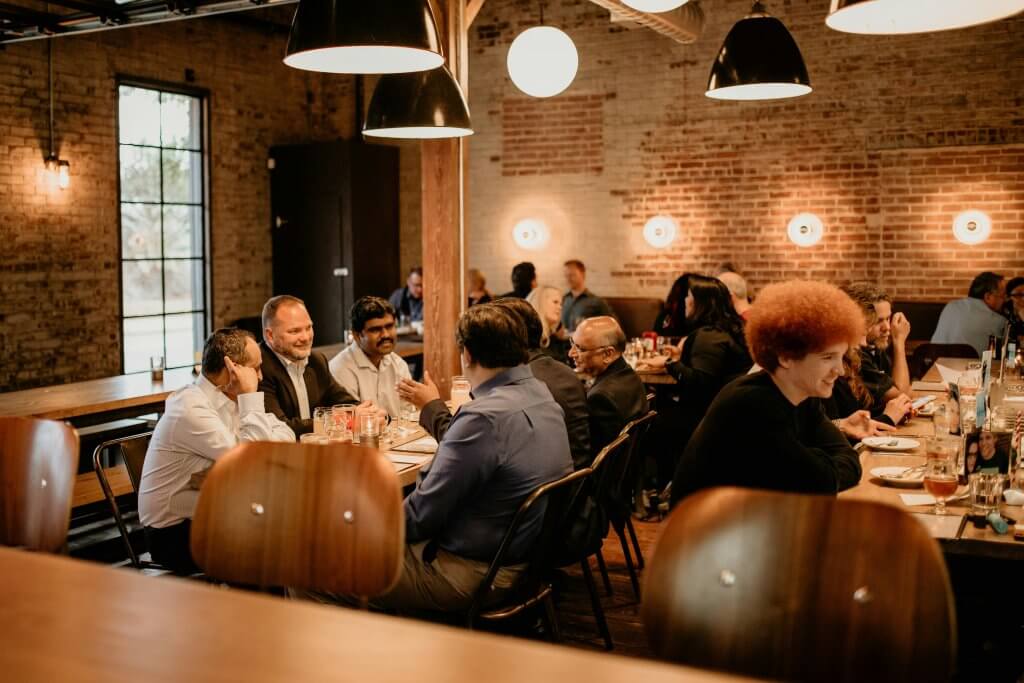
Lizzy Miles: It definitely varies by the city. People on the West Coast really like Death Cafés more than us Midwest and East Coast people. Up in Portland, Oregon, for example, they’ll have like 70 people for one Death Café, which is kind of insane; that’s not really like a coffee shop conversation.
Lucas: Yes, that seems a bit ridiculous. I’d think the smaller the better!
Lizzy: Jon used to say the ideal size is from eight to twelve people. Honestly, if there are four people that come, you can have a really good conversation. If I have eight people show up, I would personally break them into two groups of four. This way you can get the introverts to open up and can get a lot more people talking. I feel strongly that with less people, you can have a stronger conversation, rather than everybody sitting around listening to one person. Because everyone that comes has stuff on their mind.
Lucas: Would you recommend a Death Café for someone who is actively grieving?
Lizzy: I would let people decide for themselves. In the beginning, I tried to prescreen attendees. For instance I had a woman once who had lost her twin to suicide. And I said, “Oh, no, this isn’t for you.” But then she responded, “No, I’m OK, I want to come.”
Since I am a licensed social worker, I think I am more comfortable with the idea that there might be grief at the meeting. But it’s pretty rare for someone who is in the thick of grief to want to come to a Death Café. If they’re really, really grieving, it’s probably the last thing they’d want to do. But it all depends on how the individual handles it.
Lucas: Do you think it would be beneficial for everyone to attend a Death Café?
Lizzy: That’s probably a difference between myself and some other hosts. I’d say go if you want to talk about death. After hosting Cafés and doing hospice for a few years, I feel that everybody has their own way of relating to death and dying. Some people just don’t want to talk or think about death, and that’s OK.
I used to try and push it on people, but I don’t do that anymore. I used to guilt trip people, particularly my friends, into going, and I let that go. Death Café is not about making someone or things “better.” That’s giving it too much credit. It’s really just the safe place if you want to talk. If you want to talk, you’ll really enjoy it. If not, don’t go.
Lucas: Are there any lessons or things you’ve learned over the years since you started hosting Death Cafés?

Lizzy: Just the wide variety of viewpoints that people have. Death Cafés really expose you to other points of view, and how so much of the way we view the world is based upon our own upbringing, culture, experiences, etc. It’s really been eye-opening, even in the homogeneous area where I host. There are so many different points of view related to death and dying.
Lucas: We’ve talked about how anyone can start a new Death Café. How does someone go about hosting their own?
Lizzy: Find a location that is relatively cheap, preferably somewhere that doesn’t cost any money. It helps to have an area that can be closed off from the rest of the café, restaurant or wherever you may be. Then find a cohost, because it’s always better to have two people, then set a date and get the word out. Reading the guidelines can help as well.
You can register your event on deathcafe.com. Anyone can create a login and sign up to post their Death Café. That’s about it!
Lucas: Are there any rules related to hosting?
Lizzy: Apart from “have tea and cake and talk about death,” it’s also important to not have an agenda. Don’t use topics or guest speakers. It should be free and open to the community. It’s not a money-making scheme. Don’t sell books at the event, things like that. You don’t have to work in the death industry to host, but it does help to have some comfort in the event that someone cries. That’s pretty rare, though, and has almost never happened in my experience.
Lucas: Are there any particularly memorable Death Cafés you’ve hosted that stick out in your mind?
Lizzy: I wouldn’t say an entire event, but there are certain conversations that I remember. There was one event where we were talking about our “legacies” and writing obituaries. There was somebody from India, I believe he was Hindu, and he said, “We don’t really care about legacies. Why do you care if you’re gone?” And everybody else in the room had the traditional American background, and we were all kind of like, “Hmmm.” It hadn’t really crossed our minds as to why we really cared.
Also anytime someone has driven a long way to come to the event is memorable. One time a doctor had driven 45 minutes to one hour after a 12-hour work day. There have been people who drove three hours. I also get a lot of age diversity at the events. I’ve had numerous events where the age-range spans 70 years from people in their 20s to others in their 90s.
Lucas: Have you noticed over the years that people are more open to talking about death and dying — that the topics have become more acceptable to discuss in our culture?
Lizzy: There has been a sort of death revolution over the past three or four years. And I don’t think Death Café had a hand in that particularly, but it did kind of tap into the trend. When I first started hosting Death Cafés and looking for articles about death and dying, they would come up once every two or three days.
Now there are all these books and movies about death, and it’s become sort of trendy to talk about it. It seems like things have changed, but I’m not really sure why.
Lucas: Do you have any suggestions or tips for anyone who has recently lost a loved one?
Lizzy: There’s a phrase a hospice patient taught me: “Love has no distance.” From a spiritual standpoint, they’re still with you. I grew up with death being a part of life. I would say to people who are grieving, what you’re experiencing is normal, and be kind to yourself.
Lucas: Thank you so much for taking the time to speak with me, Lizzy! I think that people should be open to talking about death and dying, and a Death Café seems like a great outlet for the topic. Death is a part of life, and it’s still such a taboo topic in this country. People should embrace the willingness to talk about it openly.
Lizzy: You’re very welcome Lucas! I agree. If you avoid death, when it happens, and it will happen to all of us and those around us, the shock is just so terrible for people who choose to avoid it all. So starting to “dip your toe in the water” regarding death can be very beneficial.







Leave a Reply