


What Are the Benefits of Acupuncture at the End of Life? (Interview)
Today SevenPonds speaks with Susan Wilmoth, a nationally certified acupuncturist whose private practice is based in east Portland, Oregon. Besides treating patients suffering from pain and stress in order to get them back to their active lives, Susan works with end-of-life patients nearby at both Providence Hospice and Kindred Hospice. After speaking with her it…

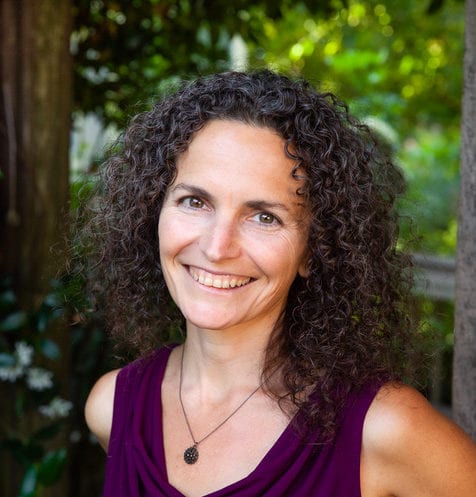
Today SevenPonds speaks with Susan Wilmoth, a nationally certified acupuncturist whose private practice is based in east Portland, Oregon. Besides treating patients suffering from pain and stress in order to get them back to their active lives, Susan works with end-of-life patients nearby at both Providence Hospice and Kindred Hospice. After speaking with her it is clear that, though the goals change with this fragile clientele, the rewards are great.
Susan is a graduate of Purdue University and the Oregon College of Oriental Medicine and holds a Masters Degree in Acupuncture and Oriental Medicine from the four-year post-graduate program at OCOM.
Editor’s note: This interview has been edited for length, clarity and readability.
Laura B. Hayden: Good morning Susan. I have to admit the first thing that comes to mind when I think of acupuncture is needles! And I’ve never associated the practice with end-of-life care. I’m curious about what drew you to devoting part of your practice to palliative care.
Susan Wilmoth: I’ve always been drawn to end-of-life even before I was in health care. As a young person, I had that inexplicable quality that most hospice care workers have — an innate orientation toward working with people who are near death. And I always imagined someday I would be a hospice volunteer.
Then, when I was in acupuncture school, I did my thesis on integrating acupuncture at the end of life. There was a lot of clinical research on using acupuncture for pain control, nausea, and anxiety — all end-of-life symptoms. My thesis shined a spotlight on those connections.
Laura: Did you start right off treating end-of-life patients?
Susan: No, at first I started a private practice because, at the time, I didn’t see any postings for hospice jobs. A few years later in 2010, my mom died and we had hospice for her. The hospice care was so helpful, so inspiring that I just felt – okay – I want to make that happen – figure out how to make hospice care part of my practice.
There was this uncanny synchronicity with what happened next. I went to my office and an acquaintance asked me, “How are you?” I told him my mom had just died and how incredible the hospice had been for her. Though Mom didn’t require acupuncture, I was once again thinking about how acupuncture and hospice just belong together.
I told him, “I need to figure out how to work in a hospice,” and his response was, “That’s funny because I’m a hospice chaplain and we just lost an acupuncturist.” He gave me a contact; I sent a proposal, and I ended up getting that first job with a hospice organization in Portland. It took off from there. I work for two organizations now.
Laura: Funny how things happen! Has the use of acupuncture in end-of-life care changed much in the nine years since then?
Susan: Nine years ago it was just making inroads. There is a lot more openness to it now. It’s becoming part of the standard of care for hospices to offer massage and acupuncture. Patients want that and like it.
Laura: So they don’t mind the needles!
Susan: You know, when I first asked if I could be treated with acupuncture in Japan — many years ago, the practitioner said, “Well you could, but you’re an American and you hate needles!” That said, by the time my end-of-life patients get to me, they are — like I was then — open to it.
A referral for treatment is made by a nurse or doctor after they’ve had a conversation with the patient. It might be about a reaction to pain medication — maybe the meds are making the patient groggy or the dose is as high as the patient can take. They’ll ask the patient if they would consider trying acupuncture. They give the patient the choice.
I’ve had patients in their 90s who have never tried it, and they say, “Might as well try something that can help.” Real openness! And if someone is not open to it – then I don’t get the referral.
Laura: Can you describe what an acupuncture session might be like for a hospice patient?
Susan: Sure. It is typically home care. I visit some people in their homes. Other people may be in a facility, which is their home at this point.
I schedule the patient over the phone and I come in with my little travel acupuncture kit. We meet where they are comfortable. That might be a recliner or a hospital bed in their living room, or on a sofa.
Our interactions vary because patients are in various stages of decline. I sit down with some patients and have a long conversation with them about how they are doing and what they have been through and need. We talk about what I can offer that might help them. Other patients are non-verbal, and so I’ll check the qualities of their pulse and sometimes talk to the caregivers. I also learn a lot from the patient’s body language. I glean information with my hands. Patients leave their clothing on. When the time comes, I will just gently insert the needle to the points that I think are going to help them the most.
Laura B. Hayden: Welcome back Susan. Last week you were talking about how acupuncture can be useful in end-of-life care. Can you talk to me about how working with hospice patients is different than working with patients who come to your private practice?
Susan Wilmoth: At my private practice, a patient will come in with, let’s say, tennis elbow. I aim to get some blood flowing into those tendons so that the pain is gone and the patient gets to play tennis again. Hospice work is not curative care — so the goals become really different.
Most of the time I get a referral for a hospice patient with specific symptoms like — “See Mary for four weeks for nausea.” So the goal is to ease that symptom to improve the patient’s quality of life. But, part of the beauty of acupuncture is that no matter what you treat, acupuncture will actually influence the nervous system. It stimulates the brain and signals it to release endorphins, which makes the patient feel good.
Laura: So, while you can’t expect to cure hospice patients, you focus on improving their well-being.
Susan: Yes! Acupuncture helps the body move out of a sympathetic fight or flight response to the parasympathetic side of the nervous system. This helps relax the patient. I think helping hospice patients get into that more relaxed state is one of the most valuable things I can do for them. Feeling relaxed in their body gives them access to a sense of wholeness or well being.
I recently had a patient whose whole abdomen was full of tumors. She was in a terrible pain crisis. And at the end of her treatment, she said “You know the pain is still there but I feel like I am relaxed around it a little bit. It’s like my pain is still a seven-out-of-ten instead of a nine, but I feel the best I’ve felt in a really long time because I feel like I can relax around the pain a little bit.”

Laura: That’s remarkable. Would you say the treatment helps put the failing patient more in control?
Susan: Some people may feel in control to a limited degree and some feel a significant lack of control. Most people experience a lot of involuntary changes in the late stages of a disease process or as their bodies’ systems are shutting down— there is, by nature, a lack of control. These experiences would leave any of us feeling a lack of control.
I’m touched by that vulnerability every day, along with the incredible courage they bring to that when they know their body systems are shutting down and they are not in control –like when people still have a sense of humor during their final moments.
Laura: That’s such a unique patient/practitioner experience. How long does a treatment session last?
Susan: Part of the beauty of an acupuncture treatment is that there is this time after I gently insert the needles to the points I think are going to help the most. They need time to do their work, so we’re just there together for 25 or 30 minutes with the needles in. I may be doing acupressure on the patient’s feet while the needles are in some other area of the body. Sometimes people fall asleep during that time and sometimes people really open up and share a lot.
Laura: I bet you’re a good listener when they do.
Susan: Oh yes – it is such a reflective time if people have the cognitive capacity. I feel very lucky to be able to practice a type of medicine that actually allows me to share quality time with no real agenda. I think patients are hungry for that, especially at that stage.
Laura: Is there anything you’d like to add about your work with hospice patients?
Susan: Hospice patients have been through so much. They’ve been poked and prodded. Some of them have had extensive invasive treatment and they are relieved that is over. So for me to be able to come in with my teeny, teeny needles that you don’t even feel or my acupressure hands-on work …. to come in and provide a type of care that actually is soothing and feels good is so fulfilling. People enjoy this care.
Laura: Thank you for bringing that out Susan, and for the time you put into this interview.
May We Suggest:
 How Can a Nutritionist Help During Cancer Treatment? (Interview)
 What is Collaborative Patient-Centered Care? (Interview)
 What Are Hospice Services? (Interview)



Leave a Reply