


What is Cryonics? (Interview)
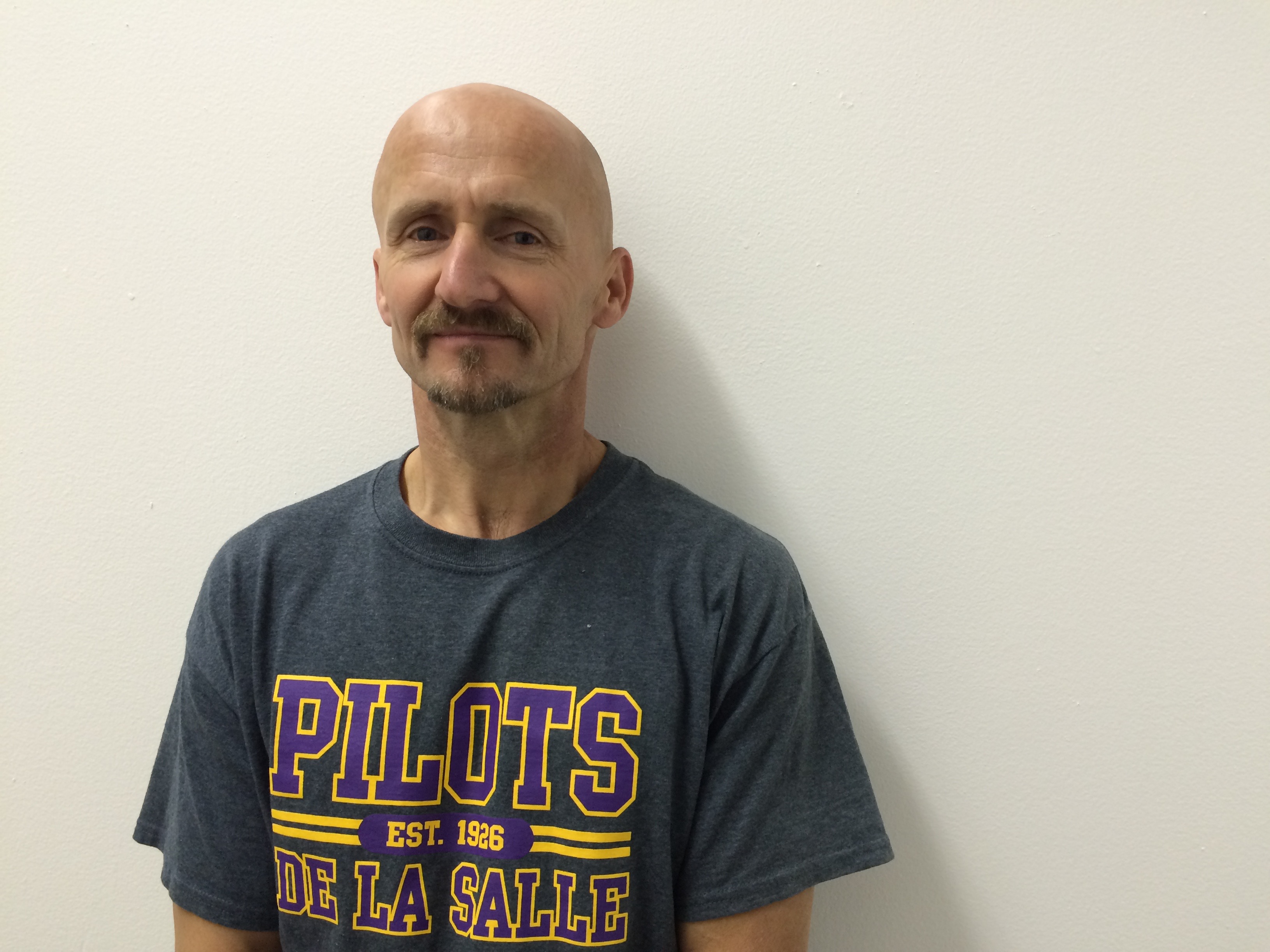
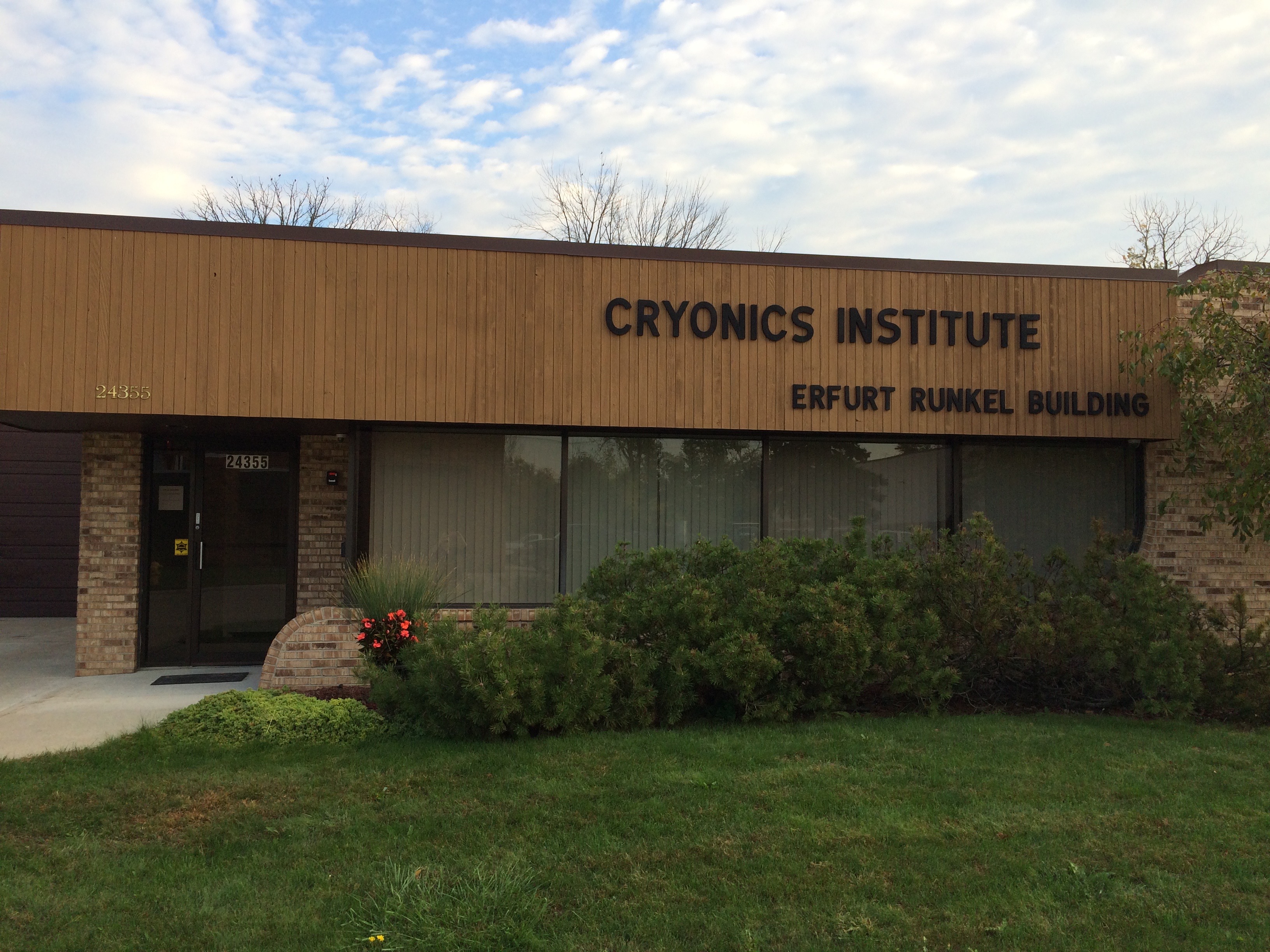
Today SevenPonds speaks with Andy Zawacki, Chief Operations Officer for the Cyronics Institute (CI) in Clinton Township, Michigan. Andy has been involved with the facility since 1985 and now oversees and coordinates memberships and prepares documents and also facilitates cryonics. On a daily basis, he maintains the building operations to assure the safety of the…

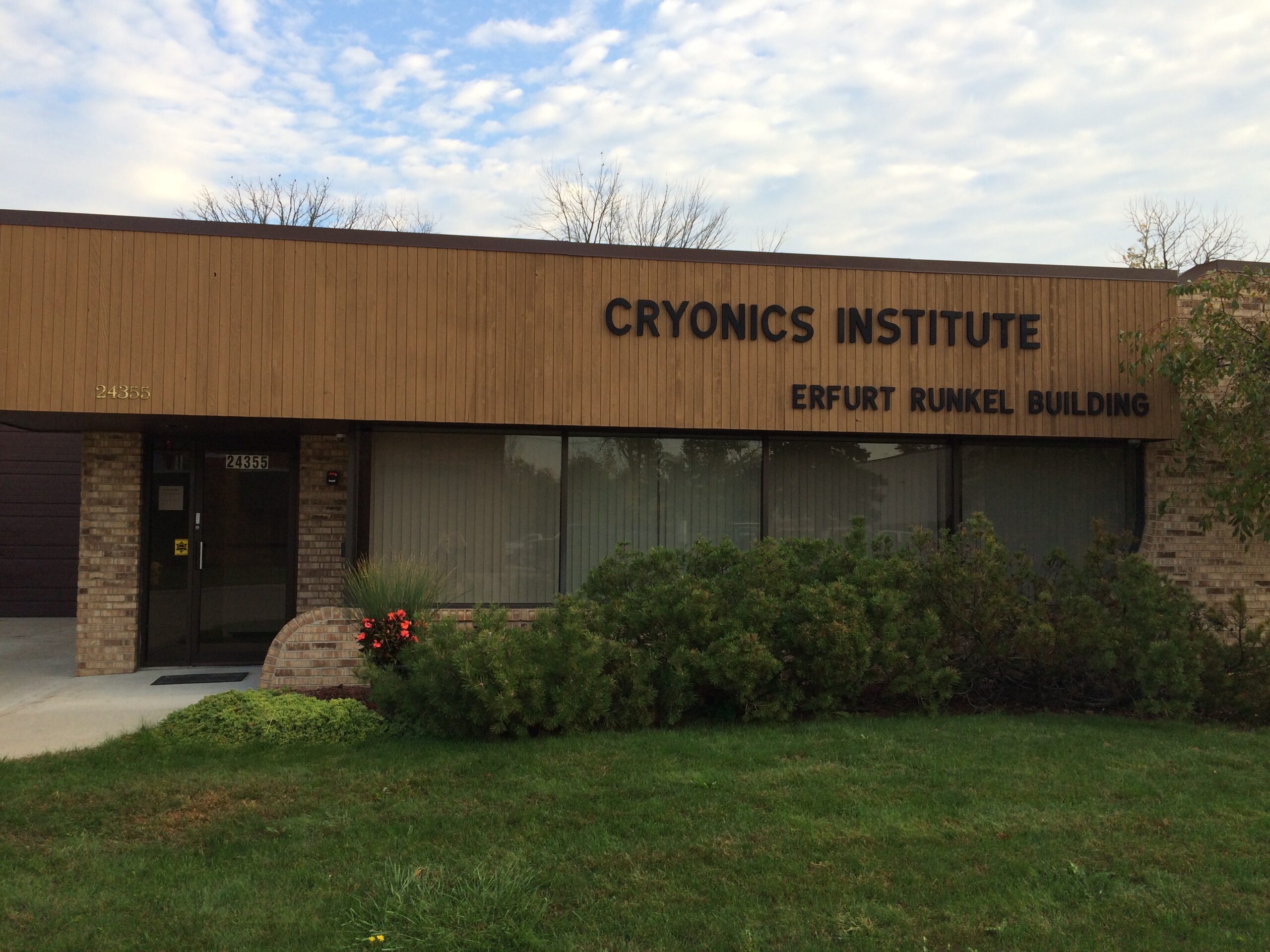
Today SevenPonds speaks with Andy Zawacki, Chief Operations Officer for the Cyronics Institute (CI) in Clinton Township, Michigan. Andy has been involved with the facility since 1985 and now oversees and coordinates memberships and prepares documents and also facilitates cryonics. On a daily basis, he maintains the building operations to assure the safety of the suspension tanks. Part of CI’s mission is to offer “a second chance at life.”
Editor’s note: This interview has been edited for length and clarity.
Suzette Sherman: Hi Andy! It’s a pleasure to be here at the Cryonics Institute to speak with you and tour your facility. It just so happens I was raised in the Detroit area, and I am here visiting family. During my youth, I often read about cryonics in the local Detroit News. So I was aware of Robert Ettinger back in the 1970s. To understand the origins of cryonics, it would be good for our readers to know the role he played. Can you tell our readers about him?
Andy Zawacki: Sure. Robert Ettinger, who was my uncle, was a math and physics teacher in the Detroit area. He was fascinated by cryonics when he read about it in science fiction stories. Then he went on to be the first person to scientifically support the concept of cryonics. Later, he founded the Cyronics Institute in 1976. People were not taking it seriously, so he wrote a book “The Prospect of Immortality” with the intent of gaining media attention. It worked. That’s why you read about him and cryonics. Ettinger’s body is now suspended here, along with his two wives and his mother.
Suzette: Right, suspended. So tell us, what is cryonics?
Andy: People who have heard of cryonics often think it’s about freezing a body. We refer to it as being frozen, but it’s not. Under ideal conditions, when you know someone is going to die, we can get to their bedside with all the equipment. Let me give you an example.
One of our patients was young and had ALS. He could only communicate through his eye movements through a computer. It was a really sad case, plus he had a family with children. His friends and family pooled their money together to help pay for some of his procedure. We had all the equipment at his bedside and then he intentionally refused further treatment. He went into cardiac arrest. We immediately put him in ice water, then used our equipment to circulate his blood. Then we exchanged the blood to keep the body alive. It’s important to not have blood clots.
We try to transport a body to our facility within a 3 to 4 hour window. Once there, we infuse a vitrification solution into the body at a rate that doesn’t shock the system. It’s the same solution that doctors use to preserve a woman’s embryos or a man’s sperm, yet ours is a more advanced formula. So a body is not actually frozen, it’s vitrified – like glass. It protects the cells from exploding and limits damage due to freezing. There is some toxicity to it, so the temperature is important. The colder the better – below ice temperatures. Basically it’s like biological antifreeze.
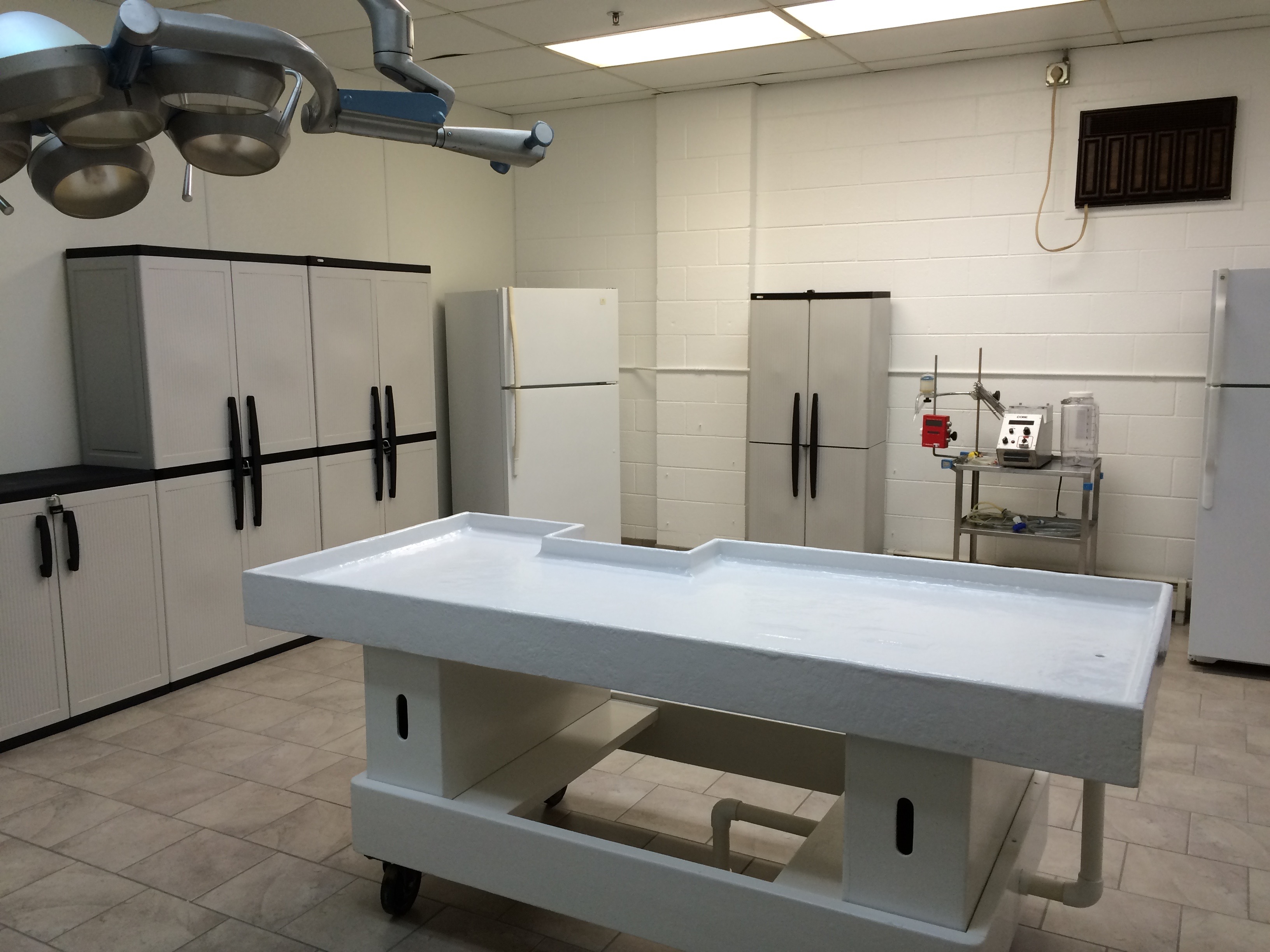
[We walk to the entrance of a room.] Here is the patient profusion room where we prepare the bodies. You are welcome to come in, and I can show you the equipment.
Suzette: It looks very clean and organized, but I think this is enough. We can move on.
Andy: OK, let’s go into the patient storage area. It’s where we suspend the bodies in liquid nitrogen.
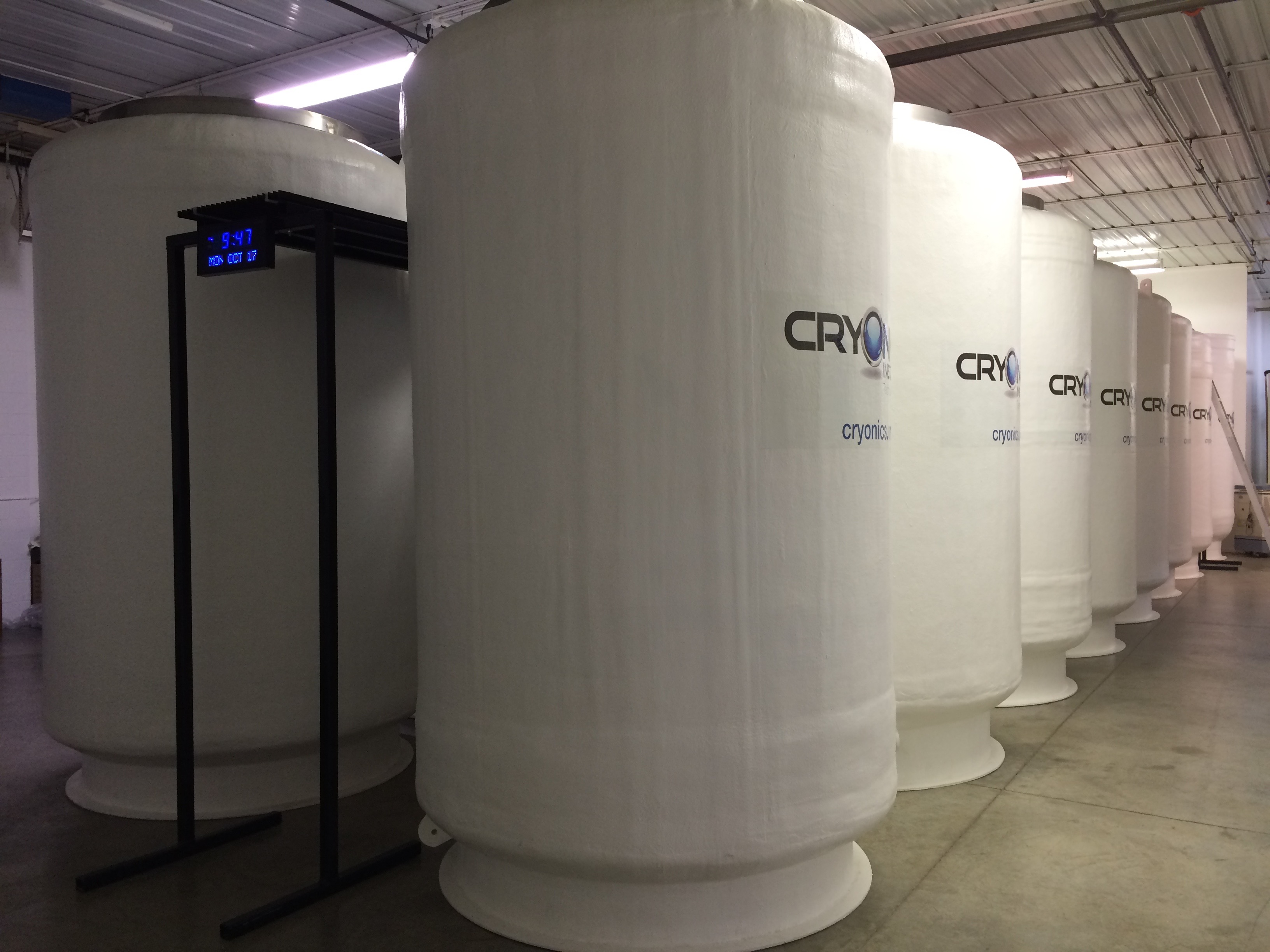
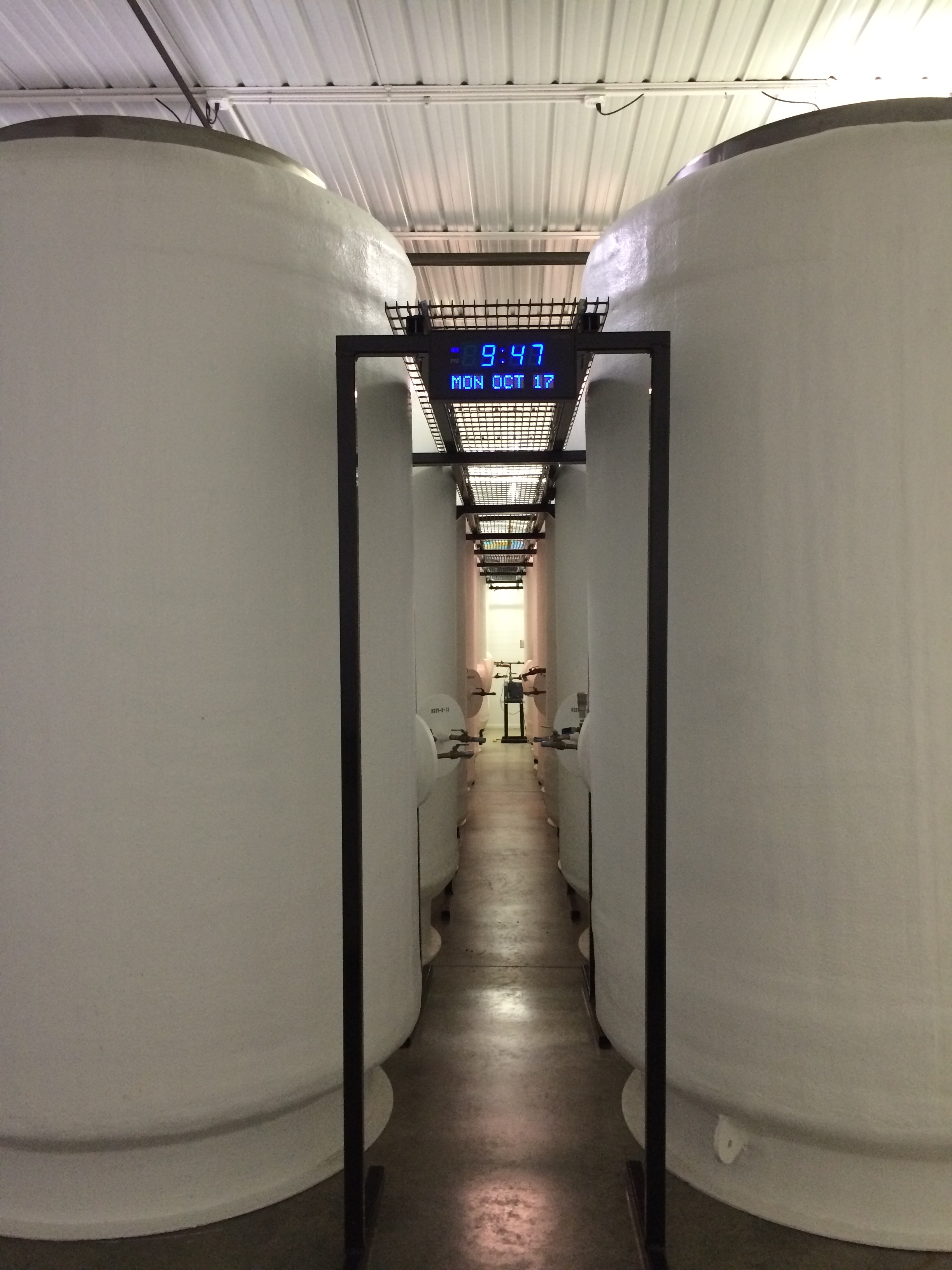
Suzette: (as they enter the storage area) Wow look at these tanks — all filled with liquid nitrogen! This place sure is spotless. How many people are suspended here?
Andy: In 1995 we had 14 people, and now we have 160 people. We have members from ages 18 to 100. We store each person head down in the tanks, with 6 bodies per tank. That’s because the brain is the most important part of your body. So if the liquid nitrogen were to leak, the head is damaged last. We have safeguards against this kind of thing in place, like our own generator and back up and security. And the cryostats are just big bottles, like giant thermoses. We keep them filled up. It would take many months before there would be a lack of liquid nitrogen. If the power goes out, it’s not a problem, they don’t depend on power.
Suzette: What is the process when someone who has signed up with CI dies?
Andy: Someone has to give us advance notice that the member is in the hospital. The member is responsible for putting this in place. Each member has a wallet card with medical instructions for emergency care. We also have emergency jewelry and wallet cards that a member can buy to identify themselves.
We contract with a standby company, Suspended Animation, located in Florida and California. But there are many standby companies, and we encourage members to set up their own standbys too. That way, if a member suddenly dies, a standby company can be there with a heart monitor machine. They cool the body and infuse the solutions. Within 20 minutes the blood clots, so we try to get certain solutions infused at the bedside. In some situations, we send a funeral director to at least pack the person in ice. We take care of the death certificate and all.
Suzette: I assume time is of essence? Is there a time limit to reach someone to prepare them for cryonics?
Andy: Well the quicker the better for cooling and removing the blood.
Suzette: What if someone is alone and they die by accident?
Andy: We are working on an app you can use when you’re alone. It asks you if you are OK at specified intervals. If you don’t answer, then the app sends your GPS coordinates to let us know where you are.
Suzette Sherman: I wanted to know what cryonics cost? Then I saw a chart on your website that compares your costs with other organizations. I was surprised to see there are six organizations internationally that provide cryopreservation.
Andy Zawacki: Well some are really small. There’s a lot of standby organizations. Cryonics Institute stores the most patients of any organization in the United States. And yes, people always want to know about cryonics cost.
Suzette: Yes, I see your organization lists the best price at $28,000 for the procedure. I also see the highest price charged by another organization is $200,000. Why is there such a big difference in cost?
Andy: We set CI up as a nonprofit perpetual endowment fund to help keep costs low. Also, lot of nonprofits charge high prices and then pay everyone very well – we don’t. We made a point of keeping our costs low. Many of us are volunteers. The cost for cryonics is still the same as it was back when we opened. Location impacts price, too. We are in Michigan.

Suzette: How do people pay for this if they do not have the full amount?
Andy: Well, the cost of a lifetime membership is $1,250. To pay for the procedure, some people prepay the full amount, thereby guaranteeing the price. If they don’t have the cash, they can use an IRA or bank investment. If they do not have the amount needed up front to pay for cryopreservation, the most common way to pay is through a life insurance policy. The person purchases a policy large enough so that the death benefit covers the cost. Then they set themselves as the beneficiary and maintain the premiums. The payments can be as low as $20 a month for young people who signup early in life. It depends on your age and health, but it’s affordable for most. We also have experts on our board who are willing to help with creative funding.

Suzette: What question do people ask a lot?
Andy: They ask about religion. My simple answer is, if God doesn’t want it to happen, it won’t. You won’t come back alive. You know, it’s like a heart transplant. At one time in the past, people thought it was freaky, but now they think about it as life saving, good stuff. People use to think putting a dead person’s heart in someone else was Frankenstein-like. Just because coming back to life from cryopreservation is not possible today doesn’t mean it won’t be possible 10 years from now.
Suzette: What are the reasons people choose cryonics?
Andy: They don’t want to die or they want to live again. I had a father call about cryonics for his son. But then I found out his son was already dead, so it was too late. Some people have an interest for emotional reasons too. As technology advances, we find people are becoming aware and are more attracted to cryopreservation.
Suzette: What are your recommendations for someone shopping cryonics.
Andy: Ask a lot of questions. Go see the facility and ask about price differences.
Suzette: I think most people who know about cryonics think it’s still science fiction. At SevenPonds we wrote a review of the book “Erasing Death,” in which a doctor in New York City wrote about how he is bringing some people back to life with cardiopulmonary resuscitation. So I am aware this is already possible on a limited level. But most people think cryonics is pie in the sky and will never be real. What’s your take?
Andy: There is a lot that points to this becoming real someday. Stem cell research is happening, so in theory we can grow any body part. And we know from CRISPR that scientists can edit DNA. Then there’s nanotechnology. Someday we could have little robots that repair our bodies. Also reverse engineering allows science to fix some body systems by copying what already exists in nature. All at these technologies are pointing us in the right direction.
Because of this we have a lot more people coming to us now.

Suzette: How would someone personalize or record, in some way, who they were as a person in their first life?
Andy: Through cryonics we save DNA, and DNA is really hearty. We also store your mind, your essence, through the synapses and nerves in your brain. If these are intact, then you’re intact. Members also have the option of providing a DVD of who they are with images and paperwork. We have storage space for whatever they want to provide to us.
Suzette: It’s interesting how comfortable you are with all of this.
Andy: [Chuckle] We have a saying in cryonics. The 2nd worse thing is to die and get frozen, but the worst is to not get frozen.
Suzette: Interesting. So besides checking out your website, how else can our SevenPonds readers learn more?
Andy: We have a quarterly newsletter that we email out, those interested can sign up at info@cryonics.org
Suzette: It was great touring your facility and speaking with you Andy!
Andy: You too!
Correction: An earlier version of this post stated that Cryonics Institute was the only nonprofit in the United States offering cryopreservation. However, two other U.S. cryonics companies, Alcor and the American Cryonics Society, are nonprofits as well.
May We Suggest:
 DIY Body Transport by Vehicle: What You Can (and Can’t) Do (Interview)
 Cryonics: the future of burial
 Why is Death Midwifery Important? (Interview)






Leave a Reply