


How Can a Nutritionist Help During Cancer Treatment? (Interview)An interview with Natalie Lagomarcino Ledesma, an oncology dietician at the UCSF Helen Diller Family Comprehensive Cancer Center
Today SevenPonds speaks with Natalie Lagomarcino Ledesma, a cancer nutrition specialist who works primarily with adult cancer patients at the UCSF Helen Diller Cancer Center in San Francisco. She also works at Smith Integrative Oncology in San Francisco, where her nutrition expertise is part of a cancer treatment program that combines traditional medical practices with advanced…

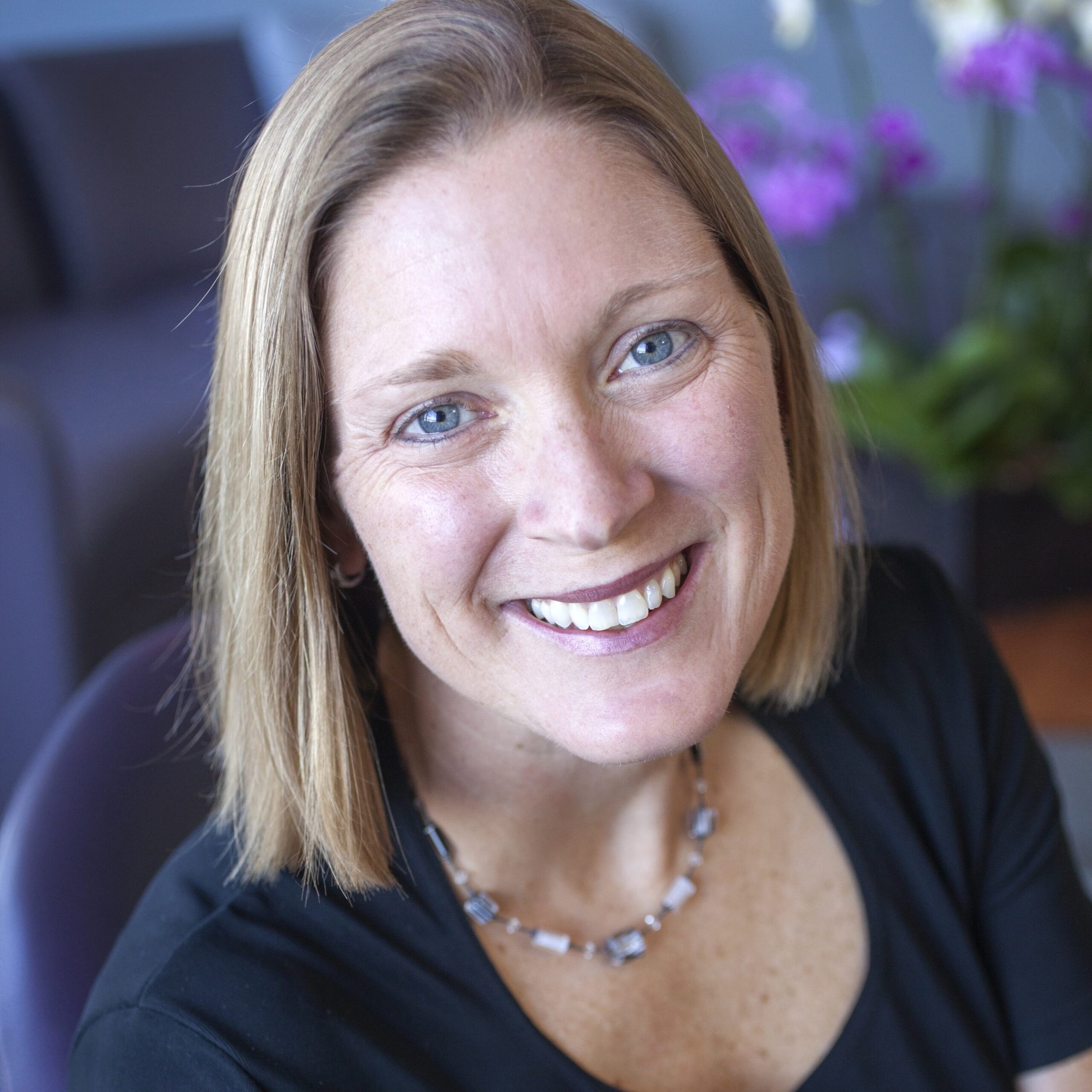
Today SevenPonds speaks with Natalie Lagomarcino Ledesma, a cancer nutrition specialist who works primarily with adult cancer patients at the UCSF Helen Diller Cancer Center in San Francisco. She also works at Smith Integrative Oncology in San Francisco, where her nutrition expertise is part of a cancer treatment program that combines traditional medical practices with advanced support in Chinese medicine, integrative psychotherapy, oncology massage and body conditioning and fitness. Natalie has traveled nationwide as a consultant for the Eli Lily pharmaceutical company. A devoted mother, Natalie enjoys swimming, yoga, running and playtime with her family — and prefers to be thought of as bringing home the kale (in lieu of the bacon) from her day job.
Editor’s note: This interview has been edited for length and clarity.
Laura B. Hayden: Hello Natalie and welcome to SevenPonds. I’d like to start off our conversation by asking you about your clientele. Your position as a cancer nutrition specialist pairs you with patients at a very stressful time in their lives. How difficult is working with people who have been diagnosed with cancer?
Natalie Lagomarcino Ledesman: It’s true that 90 percent of the people I work with are just beginning their cancer treatment. They don’t have any control over a variety of different factors of cancer. But, as they learn how to provide themselves with positive fuel that will help them through their cancer treatment, that can be very empowering.
Laura: By positive fuel, I take it you mean a nutritious diet?

Natalie: Exactly. Good nutrition is important for everyone, but cancer treatments introduce different and unique nutritional challenges for many. Optimal nutrition becomes even more important for those in treatment as the body requires more nutrients to repair itself from the side effects of chemotherapy, radiation and/or surgery. Maintaining optimal nutrition can help support immune function, improve strength and energy and improve tolerance to treatment.
Laura: So, it sounds as if your patients have everything to gain and nothing to lose when they follow your advice.
Natalie: I do find that the patients who choose to work with me are highly appreciative and compliant, which makes my job fun and rewarding. When I make a suggestion, the follow through is there. We can see the benefits, so they’re not a challenging population in that sense. The difficult part for me comes in connecting so closely to my patients. If someone were to have a recurrence or pass away — that’s certainly the most challenging scenario for me because we are so close.
Laura: It must be devastating to lose a patient.
Natalie: Yes, but on a day to day basis, this work helps me keep my own life in perspective in terms of what really matters. Take everyday scenarios like being caught in traffic or frustrated with something that goes wrong at home. It’s definitely reinforcing to think, “OK, this isn’t cancer. My life’s not at stake. My family’s life’s not at stake.” It certainly helps to keep things in perspective.

creates a customized diet for each patient
Laura: What can a cancer patient expect once they decide to meet with an oncology nutritionist?
Natalie: A first meeting will often begin with a comprehensive, nutrition assessment so that the dietician can fully understand the patient’s overall health and nutrition prior to their cancer diagnosis and the new issues they face post-diagnosis. In addition, the dietician can perform routine and comprehensive laboratory blood tests, diet analysis reports and body composition testing to determine the patient’s body fat and lean tissue percentages, along with metabolic testing to determine their daily caloric needs.
Laura: What do the results of these tests help to accomplish for your patients?
Natalie: My goal as a nutritionist is to create a customized diet and supplement program to support each patient’s optimal nutrition and overall well-being during treatment. Cancer and cancer treatments can induce a number of challenging issues for the patient, including inflammation, glycemic control, stress chemistry, immune function, food intolerance, and digestive issues. Maintaining optimal nutrition can help support their immune function, improve strength and energy and improve their tolerance to treatment. Based on the test results, I develop nutrition-based strategies to address these and other individual concerns.
Laura: I understand you’ve been working with cancer patients for over 20 years. What influenced you to go into this field?
I initially was focused on sports nutrition in graduate school. In addition to working with athletes, I also worked on the Women’s Healthy Eating and Living Study, which was looking at the effect of diet on the recurrence of breast cancer. When I talked to women about their primary motivation in participating in the study, some would answer that they wanted to see their child turn 5 or become an adult. Others hoped to meet their grandchild or to accomplish a certain goal at work. As much as I love athletes and love sports to this day, it seemed like I’d be making a greater contribution to society by changing my focus to oncology nutrition.
Laura B. Hayden: Welcome back Natalie. Last week we looked at cancer and diet, specifically, how diet can mitigate the effects of cancer treatment. I wonder though, can diet affect whether or not we even get cancer?
Natalie Lagomarcino Ledesma: That’s certainly yet to be determined, but it is estimated that one-third of cancers in adults can possibly be influenced by diet and lifestyle. Certainly, the cause of cancer is going to be multi-factorial. Diet may play a role; environment may play a role; genomics may play a role.
Laura: What kind of effect, if any, can diet have on our cellular genome profile which, of course, could indicate a proclivity to certain cancers?
Natalie: That’s an area I find fascinating. Nutrigenomics is a relatively new concept — a whole-system philosophy that focuses on a person’s genetic makeup, biomarkers, and other clinical data to customize their diet to individual needs. Similar to precision medicine in its approach, nutrigenomics seeks to personalize nutrition.
Laura: How so?
Natalie: Instead of using our genome profile to say we are doomed to develop a certain disease, we can use it to empower ourselves with what we can learn about our genome and work proactively with it. Clearly, we need to know a lot more about this area, but we are starting to learn more and more about why, let’s say, some people have to struggle with getting ample amounts of vitamin D, or the correlation between saturated fat and weight gain. As time goes on, different factors with genomes will become much more common in our discussions about cancer and diet.

help prevent cancer
Laura: That does offer great hope for the future. In the meantime, what nutritional choices can our readers make to best protect themselves against cancer?
Natalie: People should aim to derive at least 80 percent of nutrients from plant-based sources because compounds called phytochemicals that occur naturally in plant-based foods provide protective benefits against cancer and other diseases.
My advice is to focus on loading the body with nourishing foods. A healthy plate would be half-full of fruits and vegetables in at least two meals of the day. That’s not just a slice of tomato on a hamburger but at least two cups of vegetables on a daily basis.
In addition, ask yourself — are you including a lean animal or plant protein with the vegetables? What about little bits of healthy fats — an avocado, some olive oil, some nuts and seeds — that could be spread throughout the meal?
And don’t forget ample amounts of herbs and spices — whatever you prefer: cinnamon, ginger, cayenne, garlic, turmeric. We sometimes overlook these but they are rich in antioxidants.

Laura: I like the idea of loading up on healthy food to fight cancer. What foods should we avoid?
Natalie: The connection between cancer and sugar is a really hot topic. Right now we don’t have evidence that sugar can cause cancer, but we know it is not helpful. In general, you want to limit added sugar in the diet because we do know that those who have higher glucose levels and higher IGF (insulin-like growth factor) levels do have a greater risk of breast cancer, colon cancer, lung cancer and prostate cancer. Plus, eating high amounts of sugar could influence body weight negatively, increasing the potential for diabetes, higher triglycerides, or other factors that could negatively affect one’s health. In addition, I advise my patients to eat less processed and refined foods, which in general have been linked to shorter lifespans.
Laura: Can diet help cure cancer?
Natalie: We’re not looking at diet necessarily to cure one’s cancer, but I still definitely think that diet can be of some help. First of all, a healthy diet reduces the risk of various other chronic diseases that could add to the medical issues for those who already have cancer. Second, as I talked about last week, a healthy diet enhances immune function to improve and facilitate the process of recovery through treatment. It can improve and enhance one’s quality of life. A sense of well being for anyone — cancer patient or not — certainly can be achieved by modifying one’s diet and lifestyle.
Laura: Thank you, Natalie, for sharing your expertise and sound advice.
Natalie: You’re welcome.
May We Suggest:
 What Are the Benefits of Acupuncture at the End of Life? (Interview)
 What’s the Link Between Wisdom & Alzheimer’s in Old Age? (Interview)
 How do Child-life Specialists Help Children Cope with Illness and Death? (Interview)



Leave a Reply