‘Exploding’ Cells? Swedish Scientists Discover Potential Cancer Treatment for Glioblastoma Multiforme
The Karolinska Institute in Stockholm reverses cancerous cell growth with Vacquinol-1.
Swedish scientists at the Karolinska Institute in Stockholm have been conducting explosive cancer treatment with a new substance called Vacquinol-1. The research team published their findings in Cell last Thursday, which focused specifically on combatting one of the most common but unrelenting forms of brain cancer: glioblastoma multiforme (GBM). After a five-day period in which…
Mary Frances Knapp
Credit: themwcollection.wordpress.com
Swedish scientists at the Karolinska Institute in Stockholm have been conducting explosive cancer treatment with a new substance called Vacquinol-1. The research team published their findings in Cell last Thursday, which focused specifically on combatting one of the most common but unrelenting forms of brain cancer: glioblastoma multiforme (GBM).
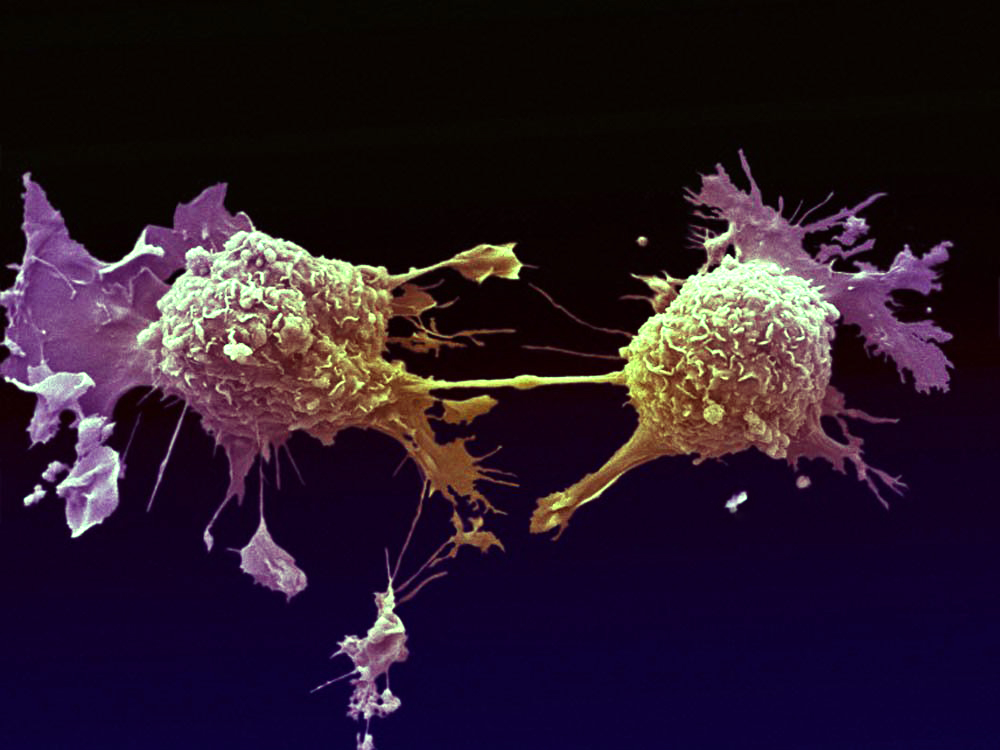
After a five-day period in which scientists fed Vacquinol-1 to mice with GBM, they found that the substance had increased activity in the cancer cells to the point that they simply “exploded.” “Vacquinols stimulate death by membrane ruffling, cell rounding, massive macropinocytic vacuole accumulation, ATP depletion, and cytoplasmic membrane rupture of [glioblastoma cells],” explained the Karolinska Institute report. Essentially, that means the activity of the mice’s glioblastoma cells was rendered so hyper-active that the cells had no choice but to explode and die. “When cancer cells were filled with a large amount of vacuoles,” says the Institute, “the cell membranes, the outer wall of the cell, collapsed.”
“…the substance had increased activity in the cancer cells to the point that they simply “exploded.””
The average survival time of mice with GBM who didn’t consume Vacquinol-1 was about a month, whereas mice treated with the substance lived up to 80 days.
Those suffering from glioblastoma multiforme are given a relatively short amount of survival time – 15 months, usually – and the potential of Vacquinol-1 to combat cancerous cell growth is an exciting step for those with the terminal illness.
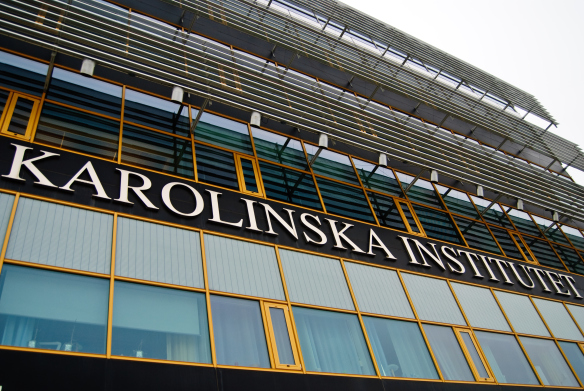
The Karolinska Institute. (Credit: textbooksandpassports.com)
“Those suffering from glioblastoma multiforme are given a relatively short amount of survival time – 15 months, usually – and the potential of Vacquinol-1 to combat cancerous cell growth is an exciting step for those with the terminal illness.”
“We now want to try to take this discovery in basic research through preclinical development and all the way to the clinic. The goal is to get into a phase 1 trial,” says one of the Institute’s researchers Patrik Ernfors, “This is an entirely new mechanism for cancer treatment. A possible medicine based on this principle would therefore attack the glioblastoma in an entirely new way.”
My father diagnoticaron cancer (glioblastoma) about four months ago and his health has deteriorated rapidly to date has lost the movement, I could not walk. please inform me if they can Vacquinol medcamento-1, and can be used in humans, appreciate it aceca inform me of the issue.
Good morning, I’m italian, my nephiew that is 14 years old, is affected by GBM IV degree since December 2012, there was a regression after Chemoterapy International protocol, but after stopping treatment, GBM started again. Is there the opportunity of make a trial with this new treatment? Your prompt reply would be highly appreciated. Thank you and best regards,
ilenia iubei





 New Research Links Aging Cells and the Process of Regeneration
 Scientists Are Studying the Link Between the Microbiome and Dementia
 Why Aging Might Become a Thing of the Past









Leave a Reply