


Are Cancer Rates Really Rising? The Surprising Truth Behind the Latest StatisticsMore people are being diagnosed with certain cancers, but declining death rates, an aging population and improvements in treatment tell a more complicated story
There is no doubt that cancer remains a significant public health concern worldwide. According to the National Cancer Institute (NCI), nearly 40% of people in the United States will be diagnosed with cancer at some point in their lifetime. Yet the statistics showing cancer rates rising are not as alarming as they might initially appear.…

There is no doubt that cancer remains a significant public health concern worldwide. According to the National Cancer Institute (NCI), nearly 40% of people in the United States will be diagnosed with cancer at some point in their lifetime. Yet the statistics showing cancer rates rising are not as alarming as they might initially appear.
According to the NCI’s 2026 Annual Report to the Nation on the Status of Cancer, the rate of new cancer diagnoses in the United States increased slightly between 2018 and 2022. At the same time, cancer death rates continued to decline. These seemingly contradictory trends raise an important question: If more people are being diagnosed with cancer, why are fewer people dying from it?
An Aging Population and Increasing Diagnoses
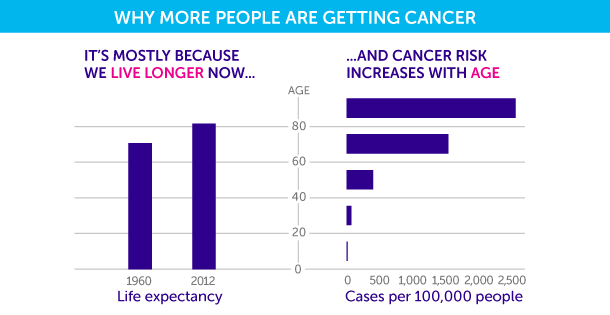
One important explanation is longevity. People are living longer, and age remains one of the greatest risk factors for developing cancer. As people age, genetic changes accumulate in their cells, increasing the likelihood that cancer will develop.
The total number of cancer diagnoses can therefore increase as the population grows and ages, even when the underlying risk within individual age groups changes very little. However, aging does not explain every increase in cancer incidence.
The NCI’s 2026 report found that overall cancer incidence increased approximately 0.2% annually between 2018 and 2022. This was largely driven by rising breast and prostate cancer diagnoses. Meanwhile, cancer death rates decreased by an average of 1.6% annually among men and 1.1% among women between 2019 and 2023, according to the NCI.
Why Are Some Younger Adults Getting Cancer?
Although cancer is more common among older adults, researchers are increasingly concerned about certain cancers appearing more frequently in younger populations.
A 2025 study published in Cancer Discovery examined cancer trends among Americans under age 50. Researchers found that diagnoses of 14 cancer types increased in at least one younger age group between 2010 and 2019. These included breast, colorectal, kidney, uterine and pancreatic cancers.
Researchers suggest several possible explanations, including obesity, changing risk factors, environmental exposures and improvements in screening and detection. However, the causes are likely to differ depending on the cancer type.
Importantly, the study also found that diagnoses of 19 other cancer types decreased among younger adults. Overall cancer incidence and mortality did not increase across the younger population as a whole. This reinforces why individual cancer trends should not be confused with the overall picture.
More Diagnoses, Fewer Deaths
Perhaps the most encouraging part of the story is the continued decline in cancer mortality. The overall U.S. cancer death rate has fallen substantially since its peak in 1991, thanks in part to reduced smoking rates, earlier detection and improvements in treatment, according to the NCI.
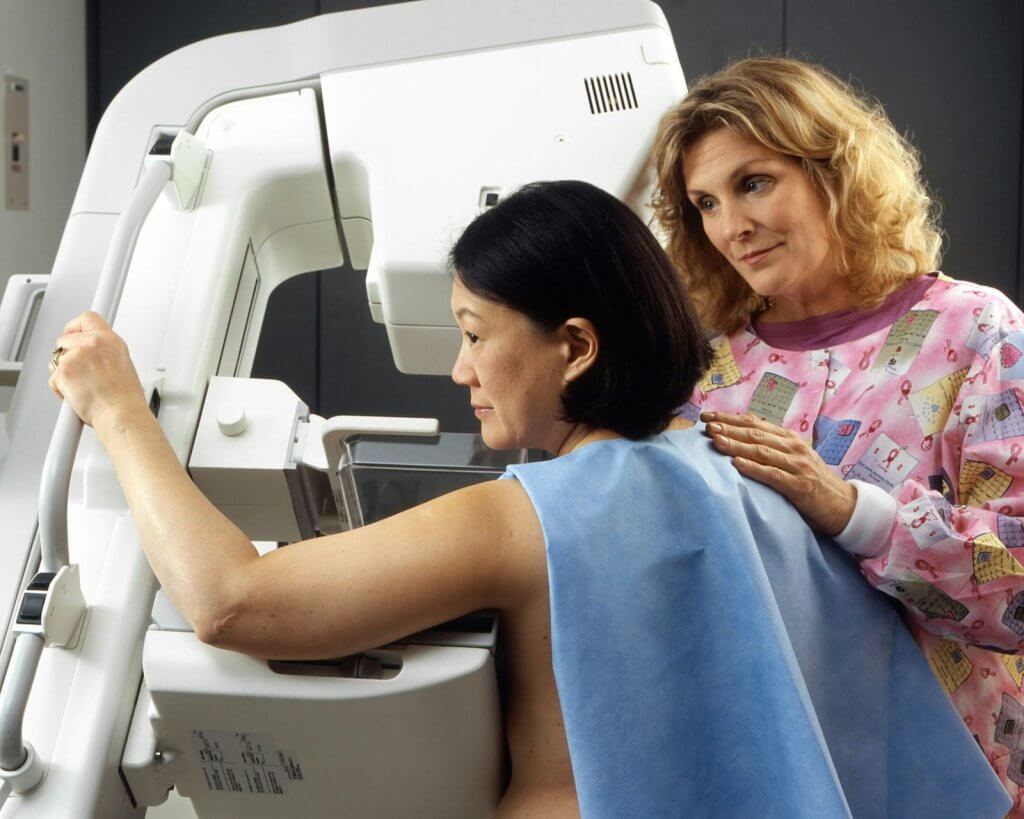
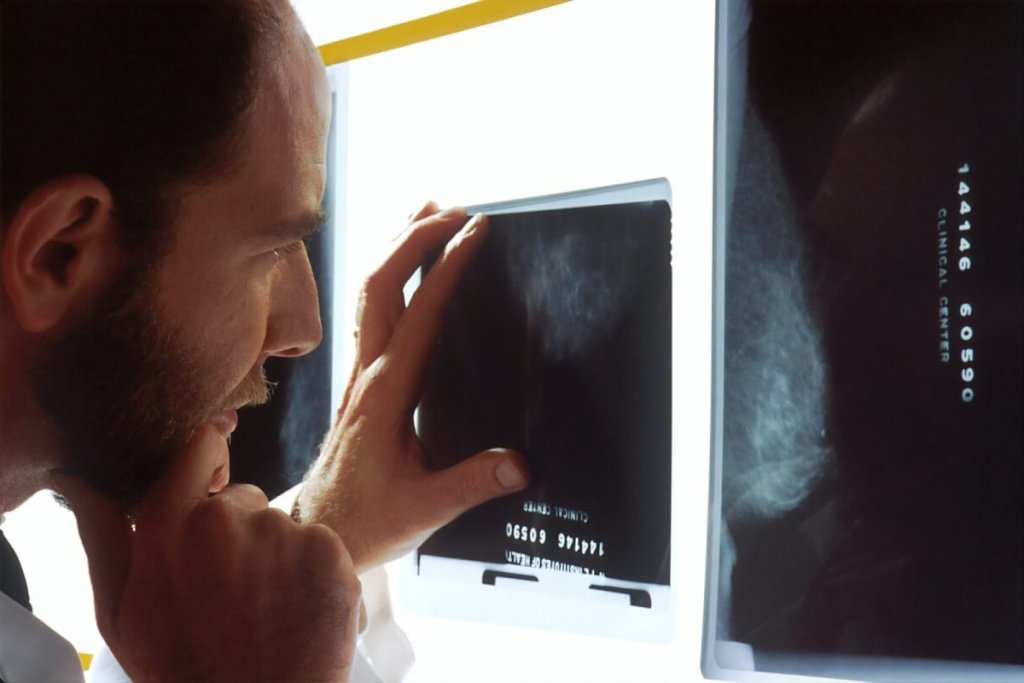
Advances in medical technology have also made it possible to identify cancers earlier, sometimes before symptoms appear. However, increased detection can contribute to higher reported incidence without necessarily increasing the number of people dying from the disease. In some cases, screening identifies slow-growing cancers that might never have threatened a person’s life, a phenomenon known as overdiagnosis.
While cancer remains a leading cause of death, improvements in surgery, chemotherapy, immunotherapy and targeted treatments have helped more people live longer following a diagnosis.
Are Cancer Rates Rising? The Bigger Picture.
So, are cancer rates really increasing? The answer is complicated. Certain cancers are becoming more common, including some affecting younger adults, but overall cancer incidence has risen only slightly in recent national data. Meanwhile, cancer mortality continues to decline.
These statistics offer both reasons for concern and grounds for hope. Researchers still have much to learn about why particular cancers are increasing, but decades of medical research have made meaningful progress in preventing deaths and improving survival.
Ultimately, the number of cancer diagnoses tells only part of the story. Understanding how many people are developing the disease, who is most affected and how effectively cancer can be treated provides a much clearer picture of the progress being made.
Originally published June 13, 2016, by Kathleen Clohessy. Updated November 2026.
May We Suggest:
 Do Mammograms Do More Harm than Good?
 How Can a Nutritionist Help During Cancer Treatment? (Interview)
 Most Women with Early-Stage Breast Cancer Don’t Need Chemotherapy
-

While declining cancer death rates offer hope, statistics can feel very different to families who have watched someone they love fight this devastating disease. Every number represents a person, a family, and a story. It’s encouraging to see progress in treatment and survival, but the rise in certain cancers among younger adults is especially concerning. Continued research, early detection, and better treatment options remain so important because behind every statistic is a life that matters.
-
Thank you for highlighting the human side of these statistics. For families who have lost someone to cancer, medical progress brings both hope and heartbreak, knowing that advances often come too late for those we love. My hope is that continued research will give more families the gift of time and fewer families the pain of saying goodbye too soon.
-
-
It’s encouraging to see how advances in early detection and treatment are helping more people survive cancer.









Leave a Reply