


Art as a Mirror: Exploring Grief at the Met MuseumThis guided event at the Metropolitan Museum of Art will explore grief through art in a group discussion.
The guided tour and group discussion on Sept. 27 at the Met Museum, is “a meaningful exploration of how art can illuminate and validate our personal experiences with loss.”

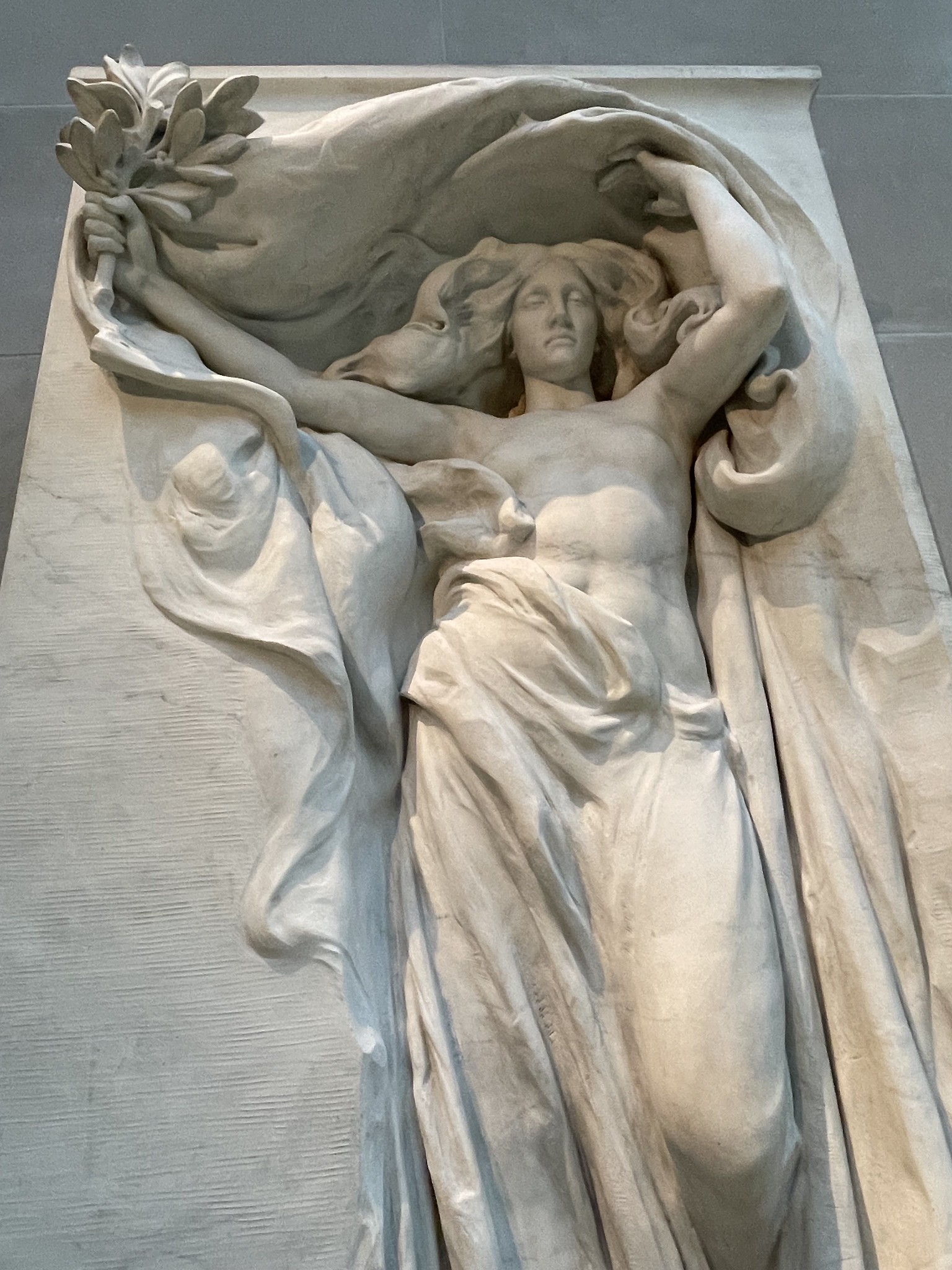
Grief is one of the most powerful emotional responses that human beings deal with regularly when experiencing loss, and art is often used as an outlet and way to understand it. That’s one reason the Metropolitan Museum of Art in New York City this month will offer “Art as a Mirror: Exploring Grief at the Met Museum.”
The guided tour and group discussion on Sept. 27, which is already sold out (only 15 lucky people will attend), will include some of the museum’s art pieces centered on grief and loss. But the concept — “a meaningful exploration of how art can illuminate and validate our personal experiences with loss” — is worth considering for even those not attending.
Led by Melanie Wilson, grief director and founder of the event host Life and Soul, and Deborah Chi, arts educator, the guided tour will serve as a “catalyst for deeper understanding” of grief, death, and loss, and the pieces chosen will “speak to the mourning process.”
Among the Met’s art pieces selected for discussion, Wilson said in an email exchange, are:
“Mourning Victory from the Melvin Memorial,” by Daniel Chester French, which shows the “massive figure of Mourning Victory” emerging from a block of stone. A tribute from one brother to his siblings who died in the Civil War, the figure projects both melancholy and triumph and reflects “the sense of calm after the storm of battle.”
“The Angel of Death and the Sculptor,” by Daniel Chester French, is a marble version of the bronze piece commissioned by the family of Boston sculptor Martin Milmore. It depicts the moment the angel takes hold of the artist’s hand, even as he is sculpting. The Met calls it a “profound statement on the creation of art and the cessation of life.
“The Burghers of Calais,” by Auguste Rodin, shows six citizens (burghers) of the French city of Calais who offered their lives to end a siege of their city. The sculpture portrays “their despair and haunted courage in the face of death,” the Met says.
It’s possible for even those who cannot make it to the Met to appreciate a bit about these grief-centered pieces. That’s because the Met on its website provides experts’ commentary “illuminating the artwork’s story,” as audio on each artwork’s page.
Life and Soul, a business dedicated to helping others grieve, mourn, and prepare for the end of life, partners with the Met for this tour as part of its series of educational events on death and grief.
Called Death of the Party events, they take place at a wide variety of venues, from funeral homes to museums. These gatherings were created by Life and Soul founder Wilson “to focus on the life that grievers live to honor the souls of those who have died. Just as bees pollinate poppies, we grievers can keep bringing life back to the souls who have guided us.”
She writes on her website: “While looking to make friends in NYC after the COVID-19 lockdown, I found myself the ‘death of the party,’ the opposite of the idiom ‘life (and soul) of the party.’ The Death of the Party event series was born in 2023 out of this discomfort: a place for grievers, LGBTQIA+ and allies, to bring their whole selves to creatively explore and express their grief in community.”
Events such as Death of the Party can help someone who might face difficulties that often arise due to stigma in some Western cultures about the subjects of death, grief, and end-of-life preparation.
The sensitivity to the various ways people mourn is reflected in the event description of the quickly sold-out “Art as a Mirror: Exploring Grief at the Met Museum.” The organizers made clear that those attending would be given the opportunity to share their thoughts about grief with the group during the tour or to contemplate quietly without being expected to contribute: “Both approaches are welcome and honored in our group.”
May We Suggest:
 Beyond the Five Stages: Grief Theories in the Modern Age
 Survivors Are Breaking the Taboos Around Disenfranchised Grief
 26 Poetic Quotes as Symbols of Life’s End






Leave a Reply