


Funeral Homes Continue to Violate the FTC’s Funeral RuleThe latest investigations raise important questions about the efficacy of the Funeral Law and its enforcement
In January of 2024, the Federal Trade Commission (FTC) sent warning letters to 39 funeral homes across the country after investigators conducted the agency’s first undercover phone sweep and discovered several violations of the Funeral Rule. This law is critical for ensuring transparency and fairness, allowing bereaved families to accurately compare funeral service prices and…

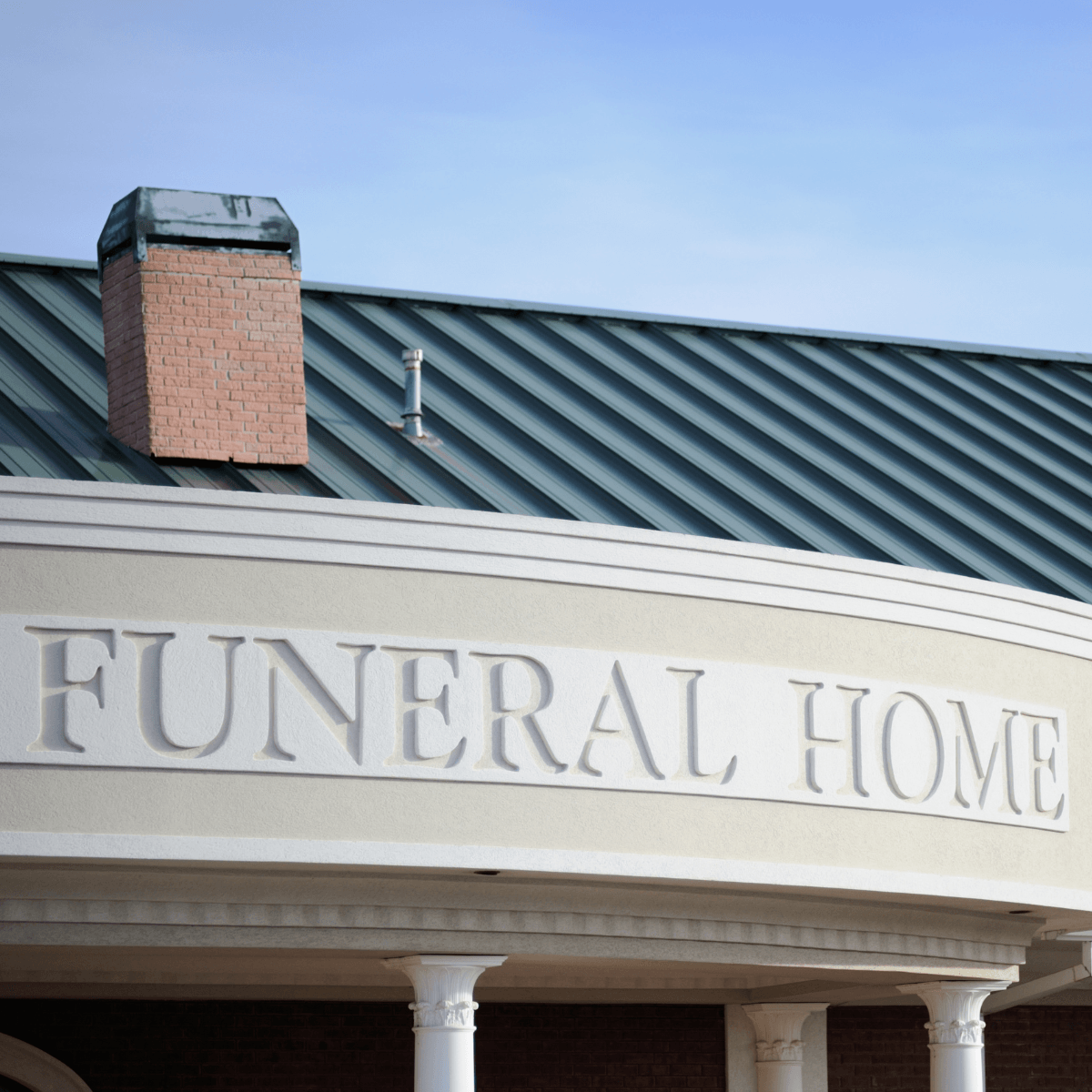
In January of 2024, the Federal Trade Commission (FTC) sent warning letters to 39 funeral homes across the country after investigators conducted the agency’s first undercover phone sweep and discovered several violations of the Funeral Rule.
This law is critical for ensuring transparency and fairness, allowing bereaved families to accurately compare funeral service prices and choose arrangements fitting their needs and budget. However, although the rule has been in place for more than 40 years, these recent FTC enforcement actions revealed that compliance remains inconsistent, and many families only discover their rights after being overcharged.
About the Funeral Rule
The Funeral Rule guarantees essential rights for consumers when making funeral arrangements, ensuring that people can choose only those goods and services they want or need and to pay only for those selected. Established in 1984 to address widespread deceptive practices in the death-care industry, which were revealed in Jessica Mitford’s bestselling book “The American Way of Death,” the Funeral Rule created much-needed transparency in a previously unregulated industry.

Among the most important of these is the provision of a General Price List (GPL), which details the itemized cost of every item the funeral home provides. The funeral provider must present customers with the price list when they visit the facility in person, as well as when contacted over the phone. Additionally, staff must inform consumers that each item on the list is available on an a-la-carte basis, and avoid misleading statements about services such as embalming.
A History of Noncompliance
On February 15, 2017, the FTC released the results of a series of investigations into funeral industry practices during the preceding two years. The report detailed the widespread failure of funeral homes in many parts of the country to comply with the central provision of the Funeral Rule. Specifically, about a quarter of the funeral homes investigated failed to provide an itemized general price list to consumers, as required by the law.
During the extensive enforcement operation in 2023, FTC investigators conducted more than 250 undercover phone inquiries to funeral homes across the United States. The agents determined that on 38 of the calls, funeral homes either refused to answer questions about pricing at all, or provided inconsistent pricing for identical services. On one of those calls, the funeral home also misrepresented that the local health code required remains to be embalmed if more than a certain number of people wanted to view the remains, when it was not actually required by the local health code. (For the record, most states do not require a body to be embalmed, and the few states that do only require it in specific circumstances, such as if refrigeration is not available.)

Then, in February of 2024, a years-long investigation for the Wall Street Journal conducted by Dominique Mosbergen revealed that a sweetheart deal reached in 1996 between the FTC and the National Funeral Directors Association (NFDA) — the funeral industry’s main lobbying group — was further complicating effective enforcement. The Funeral Rule Offenders Program (FROP), which is run by the NFDA and allows funeral homes found in violation of the Funeral Law to pay a penalty to the government and take a training course, lets violators avoid costly litigation and public exposure. In essence, the 1996 agreement is akin to letting foxes guard the chicken coop.
According to Mosbergen, from 1996 to 2018, about 500 funeral homes had participated in the FROP. Over that time, the FTC inspected only 3000 funeral homes out of more than 20,000 in the US. Based on what she heard from consumer advocates, customers, and funeral directors themselves, Mosbergen believes that the Funeral Rule Offenders Program has allowed these unfair and deceptive practices to continue to flourish.
Updating the Funeral Rule
The FTC has more or less acknowledged that the Funeral Rule could benefit from some amendments, but codifying anything into law has been a glacially slow process.
In 2022, the FTC determined that the Rule “continues to serve a useful purpose,” and should be retained, and then held a public workshop in 2023 to explore potential updates, including mandatory online price disclosure. As of 2026, that rulemaking process has not produced any final changes to the Rule.
The next routine regulatory review is expected in 2030, according to US Funerals Online, a consumer advocacy group, though the amendment process remains technically open and could produce changes sooner if the FTC chose to move forward.
The seven issues the FTC has formally considered for possible amendment are:
- Electronic (online) price disclosure
- Disclosure of third-party crematory fees on the General Price List
- Limited exceptions to the basic services fee
- Disclosure for new forms of disposition (alkaline hydrolysis, natural organic reduction)
- Amendment of the mandatory embalming disclosure
- Improvement of General Price List readability
- Effects on historically underserved communities
How to File a Complaint Against a Funeral Home
If you believe a funeral home has violated the Funeral Rule, you have several avenues of recourse. Using more than one simultaneously is often the most effective approach.
Step 1: Try to resolve it with the funeral home directly. Many Funeral Rule disputes can be resolved at this level, particularly once you make clear that you understand the Rule and are prepared to escalate. Put your complaint in writing, reference the specific provision of the Rule you believe was violated, and keep copies of all documents (the GPL, the Statement of Funeral Goods and Services Selected, any receipts, and any written communications).
Step 2: File a complaint with the FTC. The FTC does not litigate individual consumer disputes, but every complaint it receives contributes to its enforcement priorities and its identification of problem funeral providers. File your complaint at ReportFraud.ftc.gov — the FTC’s main consumer complaint portal — and select the funeral category.
Step 3: Contact your state funeral licensing board. Every state has a licensing board that regulates funeral establishments and funeral directors. State boards have enforcement authority that the FTC does not: they can suspend licenses, impose fines and require corrective action.
Step 4: Contact the Funeral Consumers Alliance (FCA). The Funeral Consumers Alliance is a national nonprofit consumer advocacy organization with local affiliate groups in many states. FCA can provide guidance, connect you with resources, and, in some cases, intervene on your behalf.
Step 5: Contact your state attorney general’s consumer protection division. If the violation involves significant financial harm, fraud, or deceptive practices, your state AG’s office may be able to take action.
May We Suggest:
 Are Funeral Homes a Dying Breed?
 5 Myths About Arranging Funerals Debunked
 FTC Finds Widespread Noncompliance with Funeral Rule
-

Transparency matters, especially during times of grief. Families deserve clear information, fair pricing, and the ability to make informed decisions without added stress or confusion.








Leave a Reply