


Are Funeral Homes a Dying Breed?Baby Boomers and Zoomers lead consumer demand for more–and greener–options
What began as a civil war era means to transport soldiers’ bodies home for burials has grown into a multi-billion-dollar service industry catering to the dead. For the last century, the evolution of undertakers to morticians to funeral directors has been the cornerstone of all death-related services. However, shifting cultural trends and rising cremation rates mean…


What began as a civil war era means to transport soldiers’ bodies home for burials has grown into a multi-billion-dollar service industry catering to the dead. For the last century, the evolution of undertakers to morticians to funeral directors has been the cornerstone of all death-related services. However, shifting cultural trends and rising cremation rates mean that funeral homes are dying today.
It can be expensive to die. The National Funeral Directors Association (NFDA) reported a median cost of $8,300 for a funeral with viewing and burial in 2023. No longer bound by loyalty to neighborhood funeral homes, consumers are doing more homework when planning for their death or that of a loved one.
Comparison shopping is easier thanks to the Federal Trade Commission (FTC) funeral rule established in 1984. Although still not well-known, this rule requires funeral professionals to provide a price list to consumers. This is an itemized catalog of fees that includes things like body retrieval, storing, embalming, caskets, graveyard liners, burial fees, facility rental, and more. It can be obtained verbally via phone or written copies must be provided by the funeral home whenever a potential client visits the establishment. A 2022 study conducted by the Consumer Federation of America and Funeral Consumers Alliance found that only 18% of 1,046 funeral homes surveyed in 35 state capitals posted their General Price Lists online. This means that more than 80% of the funeral homes surveyed did not make their itemized prices readily available on their websites.

directors see themselves as
indispensable to the death industry.
Josh Slocum, then-executive director of the Funeral Consumers Alliance tried to change that. When the FTC announced in 2020 that they would consider updating this decades-old rule, Slocum was quick to offer public comment. Although it has yet to consider potential changes, he says seeking more transparency is not an easy battle in this field. “Funeral directors consider themselves indispensable to the death industry. Some are threatened by legislative changes or competition. ”
But if they wish to remain viable in this industry, funeral directors will need to evolve beyond stagnant traditional burial sales and tactics to meet new consumer demands. The advent of technology, life celebrations, cremations and biodegradable alternatives will be the driving force behind future marketplace growth.
The Boomer Factor
By 2030, all baby boomers (born between 1946 and 1964) will be at least 65, making up approximately one-fifth of the U.S. population. As this generation ages, demand for funeral and end-of-life services is expected to grow. Many boomers are comfortable using the internet to research options and compare funeral prices. Their deaths are projected to peak in 2044.
It is no surprise that many boomers do not wish to be buried alongside their ancestors. This generation did not marry, raise children, and die in the same place as did generations before them. As a result, tens of thousands of middle-aged Americans are selling their pre-paid burial plots. Most cemeteries will not buy them back, so unwanted plots are posted for sale on sites like plotbrokers.com and gravesales.com, and even listed on eBay. The problem is that few buyers are willing to pay the prices sellers are asking. As a result, selling an unwanted burial plot can take years.
Cemetery burial plots can be one of the most expensive components of a traditional burial. In the United States, public cemetery plots typically cost between $525 and $2,500, while private cemetery plots range from $2,000 to $5,000. These prices generally do not include the casket, interment (opening and closing the grave), headstone or marker, grave liner or burial vault, or ongoing cemetery maintenance. Funeral home services add considerably more to the overall expense.
Boomers are fast embracing cremation as the cheaper alternative to burial. Even the Pope gave his blessing on the matter in 2016, simply advising Catholics to place ashes in a sacred location rather than scatter them or ordinarily keep them at home. In the 1960s, cremation accounted for only 5% of deaths. In 2020, 56% of the deceased were cremated. That number is expected to rise thanks to greater social acceptance, decreasing costs, and growing access to direct cremation services. The National Funeral Directors Association projects that cremation will account for nearly 79% of postmortem choices in the year 2040.
Mike Nicodemus, former vice president of NFDA cremation services stated, “Baby Boomers have been a significant factor in this shift and their preferences will inform decisions made by the funeral profession for years to come.”
The Zoomer Factor

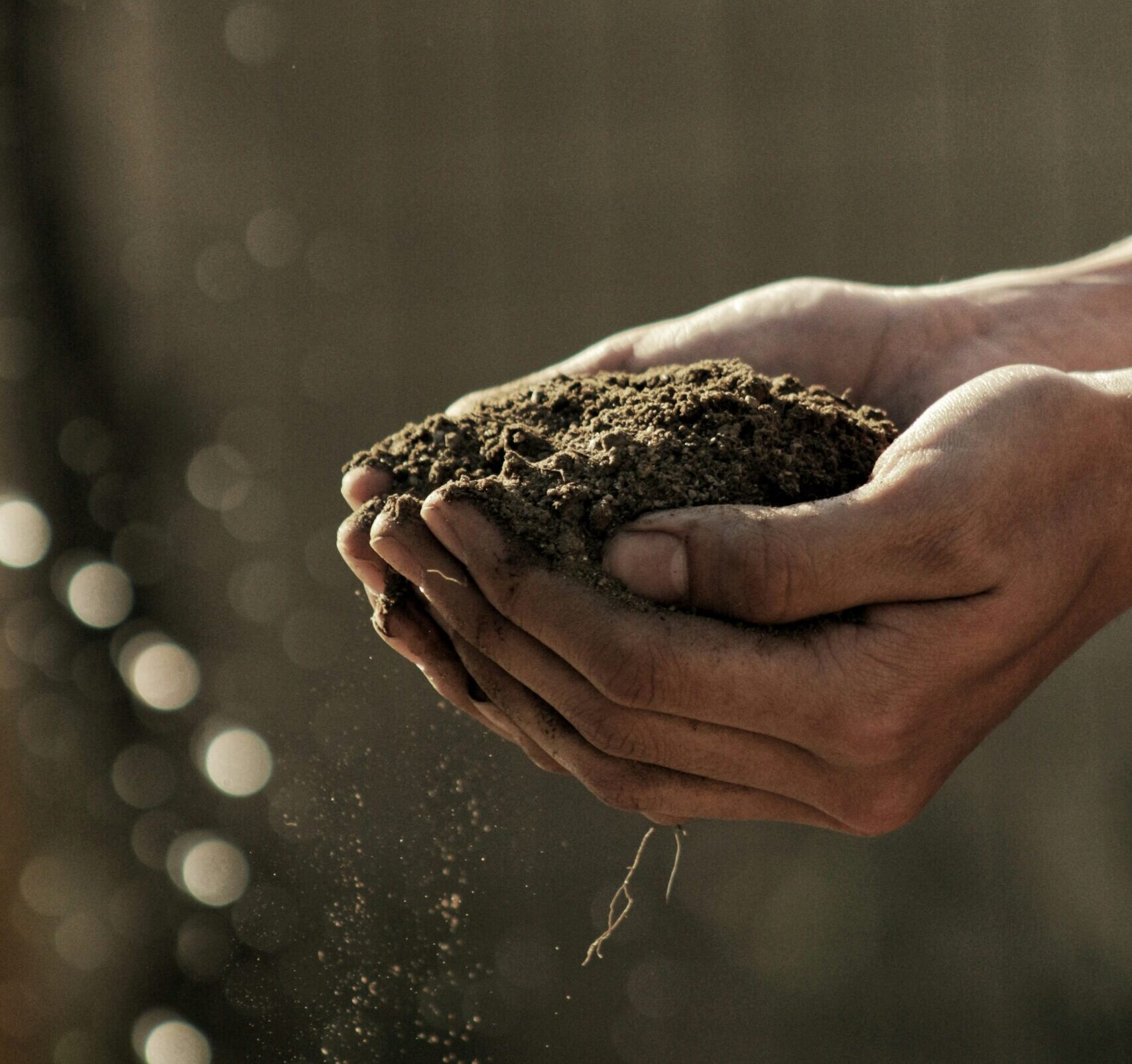
Consumer demands stretch well beyond the boomers. Generation Z or Zoomers, and Millennials are entering their 20s , 30s and 40’s respectively. And they are concerned about climate change and the future of the planet. As a result, eco-friendly alternatives including human composting and green burials are already on the rise.
The number of natural, conservation or hybrid cemeteries in the U.S. has grown steadily over the past five years. There are 525 such locations in the United States and Canada.

But these next generations are particularly strong advocates for aquamation, or alkaline hydrolysis. Philip Flores, Jr. CEO of Cremation by Water in Arlington Heights, Illinois, and a member of the Cremation Association of North America. Flores contends that the rising number of individuals who end up choosing aquamation is due to the younger generation in their family who educate and influence them to do so after researching greener options.
According to CANA, alkaline hydrolysis uses far less energy than cremation and has a much smaller carbon footprint. A mixture of warm water and alkaline or salts breaks down skin, hair, and tissue into a non-toxic liquid state, leaving only the bones behind. The bones are then refined into powder remains and returned to the next of kin. Flores says they can also be safely used to fertilize the earth.
Slocum agrees that alkaline hydrolysis, or AH, is growing consumer demand. He believes this eco-friendly option will have a sizeable impact on the funeral industry over the next decade or so: “Alkaline hydrolysis will most likely make inroads. From the consumer’s point of view, it really does replace cremation, wasting less energy. Some like it for aesthetic or emotional reasons too.”
Interest in AH peaked following media coverage of the death of Archbishop Desmond Tutu of South Africa. The Nobel Peace Prize recipient requested aquamation as his final wish to combat climate change. Tutu’s death prompted awareness about alkaline hydrolysis on a national and global scale.
According to Philip Flores, Jr., co-founder and CEO of Cremation by Water in Arlington Heights, Illinois, social media has played an important role in increasing awareness. “Social media is makin “Social media is making a tremendous impact in the way people discover this process, whether family members or funeral homes.”
When Death Becomes the Social (Media) Norm
Beatrice Lewanduski-Lecesse, NFDA at-large representative and funeral director for D’Andrea Brothers Funeral Home in Copiague, NY, acknowledges the industry’s technological evolution: “We are embracing a younger generation that is tech-savvy and uses it for everything. They can be on Facebook, Twitter or Yelp; generally almost every type of media outlet out there. Some are even on TikTok, highlighting their work.”
In the past decade, the majority of funeral homes created websites and memorial pages. In a world where Google reviews can make or break a business, funeral homes around the country are continuing to step up their online presence to gain consumer trust. They are also competing against companies that provide direct cremation services. You can even order your cremation online using services such as Cremstar, and Tulip in the U.S. and Eirene in Canada. All of these options are making it harder for traditional funeral homes to survive.

Younger generation funeral directors, embalmers, and morticians paved the way for the Millenials and Zoomers now entering this industry. You can search #mortician or #funeralhome on TikTok to view hundreds of millions of posts on everything and anything related to death. Check out @mybloodygalentine, where a young mortician, Beckie-Ann Galentin, spotlights her cemetery tours across the country. Or join nearly a million TikTokkers @hollisfunerahome, where you can view an insightful behind-the-scenes peek at the mortuary profession with millennial funeral director Eileen Hollis of Hollis Funeral Home in Syracuse, New York.
Slocum has been in this industry long enough to know that new ways in an old industry are not always embraced. “There is always conflict between generations. Particularly with a more irreverent or very public approach. It’s very different from the previous cultural regime. We will see if social media has any bearing on the future.”
The Demise or Reprise of the Funeral Home?

Lewanduski-Lecesse affirms that traditional services are waning, while more casual ceremonious affairs are on the rise. “A new generation are looking at funerals in a different light. People have caught on that the passing may not only be a solemn and altogether sad affair. it becomes a recognition of someone’s life, a celebration of that person’s life.”
And a recent NFDA report shows that more than 50% of respondents have attended a funeral, or life celebration, at a non-traditional location. This is not necessarily good news for 15,401 funeral homes operating throughout the U.S. today.
Slocum contends this is an opportunity for funeral directors to embrace change: “Funeral homes have always been designed for the customer comfort. Large Victorian homes were attractive to the middle and upper class. Now, that seems outdated. I think it’s a good business move for funeral homes to expand if they can do it.”

Bob Arrington, former director of Arrington Funeral Home in Jackson, Tennessee, agrees with this sentiment. Arrington is a first-generation funeral director, who has been adapting his business model in line with consumer trends since his start in 1995: “We never wanted it to look like a funeral home with pews and a pulpit. We made the space more versatile for visitors. I would try almost anything. If it worked, great. If not, I tried something else.
Newer funeral homes are designed to be larger and brighter spaces. They can resemble an atrium versus a home. Some of these contemporary facilities bill themselves as multi-event use space, where families can host funerals, weddings, retirement parties, or any other large event.
A few innovative industry leaders are even catering to your future death. Mourners can attend a DeParty, or celebration of life, to honor a person while they are still alive. Family and friends come to say their goodbyes to someone who is at the end of life due to terminal illness or disease.
Funeral Homes Serve Up More Than Just Space
Some funeral directors are fast becoming production managers to keep pace with tech-savvy consumer demands. There are companies across the U.S. that specifically design and install video equipment and lighting for the funeral industry to assist their transition.

Arrington was quick to precede the bandwagon. “Once DVDs became common, I had a vision to upgrade the video, audio, and lighting, so that every funeral would be a totally different experience. We even offered webcasting before it became a necessity during the pandemic.” He says that his tech-friendly funeral home attracts the younger folks, who are becoming more involved in funeral planning for family members who have died.
Funeral professionals are adding adding hospitality services and other amenities to attract grieving families into their homes. Many states have only recently lifted archaic laws that did not allow funeral homes to serve food or drinks. A few homes now feature hospitality rooms, as food generally cannot be served in the same room as the deceased. Blount and Curry Funeral Home in Tampa Bay, Florida, opened a speak-easy room, so mourners can toast to their loved ones right on the premises.

Other personal amenities like bereavement support may also encourage grieving families to choose a funeral home over alternative locations to host their loved one’s memorial service. These often include community support groups, licensed on-site counselors, or online resources. Grief therapy dogs are fast becoming a trend at funeral homes across the U.S. There are a few agencies that specialize in certifying these animals to console bereaved families.
Is There a Future for Funeral Homes?
At present, NFDA’s 2025 industry figures reports funeral home revenue accounts for $16.3 billion of total death industry wealth in the U.S. During the 2020-2021 pandemic, their revenue increased by 10.8% due to the increase in the number of deaths caused by Covid-19. To date, FEMA has also provided over $2 billion in funeral assistance to more than 300,000 families. Any family who lost a loved one to the coronavirus since January 2020 can still apply for a reimbursement of up to $6,500 to cover funeral costs. These funds made funerals a more viable option, hence somewhat instrumental in bolstering the industry’s recent income.
Much like any other consumer-driven commodity, however, what goes up can also come down. Market size for funeral homes is projected to drop nearly 2% in 2022. That translates to a whopping $360 million loss of revenue.

The simultaneous rise of e-commerce, cremation, and the adoption of online memorials during the pandemic is undoubtedly reshaping the future of funeral homes. But the truth of the matter is that we won’t know the impact of these or other eco-friendly innovations for many years to come.
The funeral industry is entrenched in the American ethos. Even as more people opt for cremation over burial, most Americans will still employ the services of a funeral home for some aspect of after-death care. So, while we are seeing funeral homes change and adapt, it is unlikely they will disappear any time soon.
Slocum of the FCA concurs with this notion, “I do not believe that we will see sweeping changes in the way funerals are done in this country. What we say we want is not always what we actually do when the time comes. Most people will still lean toward conventional means. Otherwise, you may have to go out of your way to accommodate an alternative plan to traditional burial.”
But no matter how much the funeral industry may morph, grow, or fade out of existence altogether, one thing is certain, we will all die someday. And you will need to decide for yourself, or another, what to do about that.
Note: This article has been updated October 2026 from its original version to reflect the most current information.
May We Suggest:
 5 Myths About Arranging Funerals Debunked
 How Can Families Save Money By Having A Home Funeral? (Interview)
 Everything You Need to Know About Legally Scattering Cremation Ashes in the United States
-

As much as Meadow has done for the industry, she should not be credited with “Ask A Mortician” that would be Caitlin Doughty. The Modern Mortician has 641 subscribers on YouTube, while Caitlin Doughty has 1.8 million.
-
Hi Sam,
Thanks for pointing out the error, but Melissa herself caught it and we’ve already corrected it. Of course Caitlin’s YouTube channel is immensely popular, and we certainly don’t want to discount that in any way. Melissa on the other hand has embraced TikTok and captured a very large audience there. Fortunately there’s lots of room in the online space for many young professionals to become part of the movement to take death acceptance mainstream! We appreciate them all!!
-
-
I stumbled on this article while searching for information on my mom’s cemetery plot. The cemetery, located in Arizona refused to pay our family anything for my mom’s plot. She paid in full years ago. We cremated her and we were expecting the funeral home to buy it back. What an unexpected surprise. Now how do we sell it? I would agree with this article the funeral industry is not the same. Any suggestions?
-
Hi Leslie,
Thanks for your question. Yes we have had others like you come to us at SevenPonds with the same concern. My advice is to web search for local “cemetery brokers” in hopes of securing one. They can sell your plot. The caveat is it will be at a deep discount that will also include the brokers fee. Plus you may need to be patient till the broker can secure a buyer. It could take a year. I hope you are successful at selling the plot.
-
-
My sister in law has been a mortician in MA for over 25 years. She spoke of how she was one of a few women in the profession back then. Less than a decade after she took over her father’s (and grandfathers) funeral home that she remarked to me “My dad would not even recognize this business.” It was due to the advance of cremation back then. Holly cow this article spells even greater changes now with the advent of social media and all of these young women entering the profession.
-
Thanks for your insightful comment. Our writer Dana did a wonderful job of bringing this to light and we appreciate your adding to the conversation. We agree, the proof is in the pudding.
-
-
The funeral industry may not be disappearing, but it is clearly being reimagined. As families seek more personal, affordable, and environmentally conscious choices, the future of funerals may depend on giving people greater freedom to decide what a meaningful goodbye looks like.








Leave a Reply