

Death by Natural Causes Exhibit: Nature’s Beauty & DangersExplore the science behind nature’s hazards, separate fact from folklore, and learn the true difference between venomous and poisonous creatures
Confronting death can cause fear or avoidance and is often stigmatized, but sometimes curiosity wins the day. ‘Death by Natural Causes’ at The Paperworks in Sacramento, California, aims to dispel myths, define scientific terms and help people face their fears. The exhibit, originally created by the Houston Museum of Natural Science in conjunction with Stage…

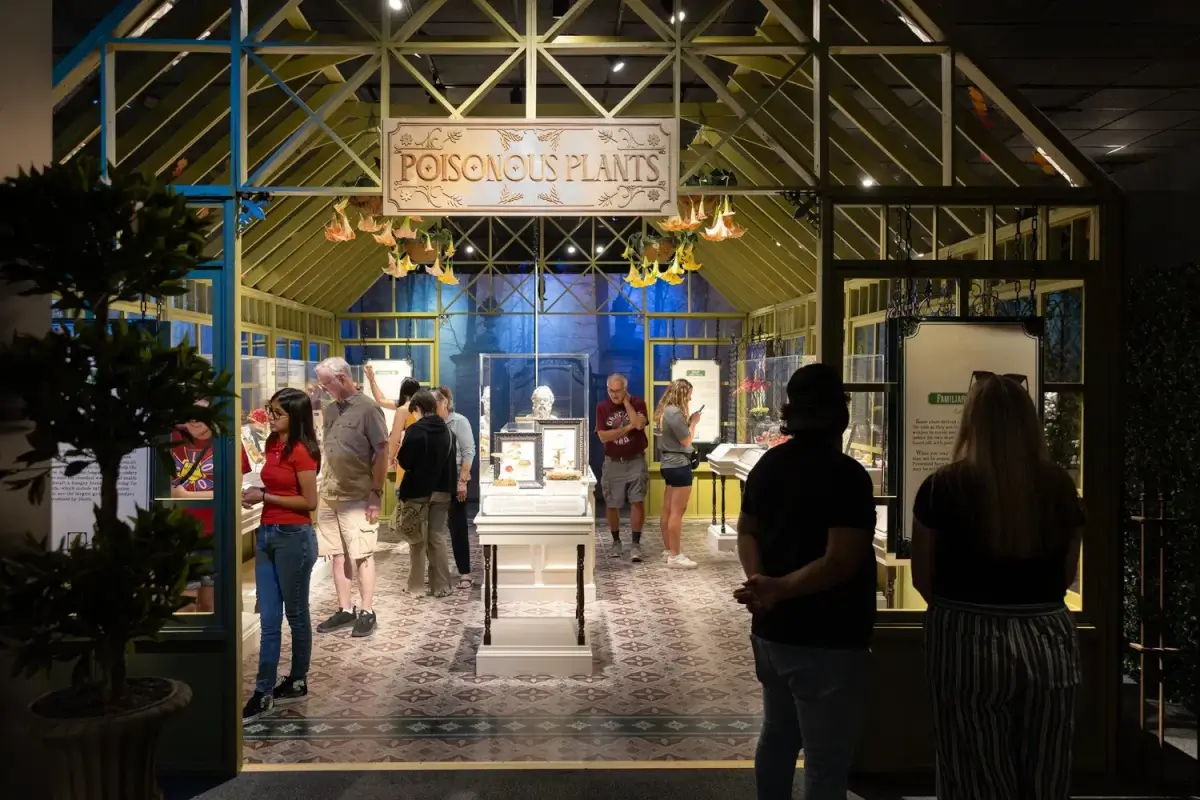
Confronting death can cause fear or avoidance and is often stigmatized, but sometimes curiosity wins the day. ‘Death by Natural Causes’ at The Paperworks in Sacramento, California, aims to dispel myths, define scientific terms and help people face their fears.
The exhibit, originally created by the Houston Museum of Natural Science in conjunction with Stage 9 Exhibits, is divided into highly visual and interactive sections, each with a particular focus. he exhibit’s popularity eventually led the creators to develop a traveling version with help from the Exhibits Development Group, which will run at its current location through January 3, 2027.
‘Death by Natural Causes’: Defining Terminology
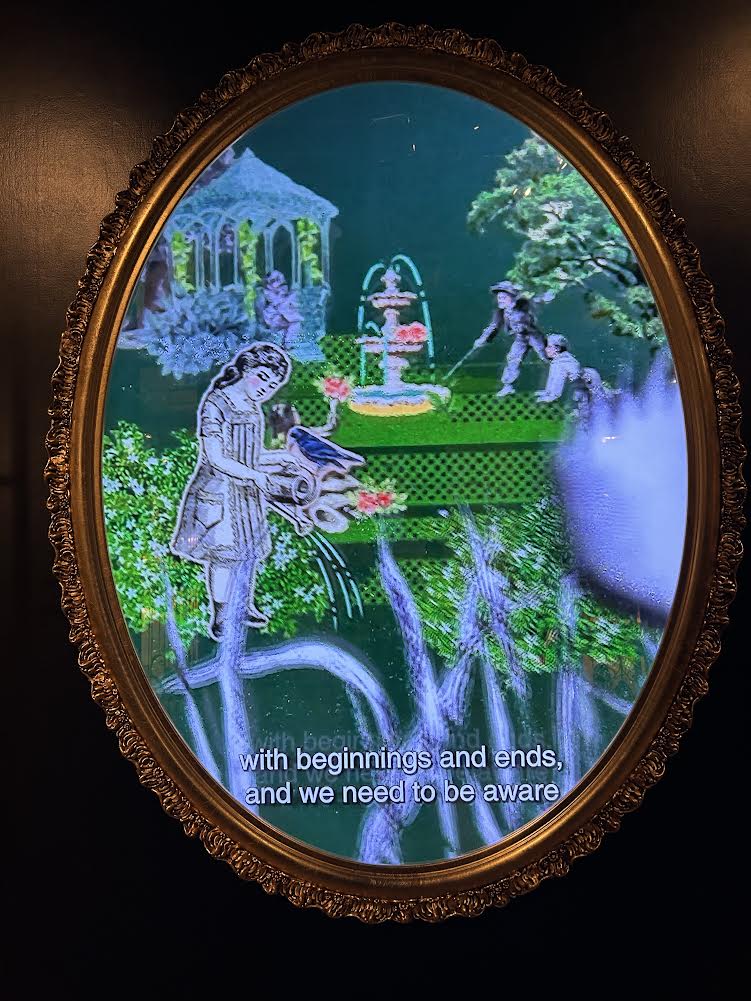
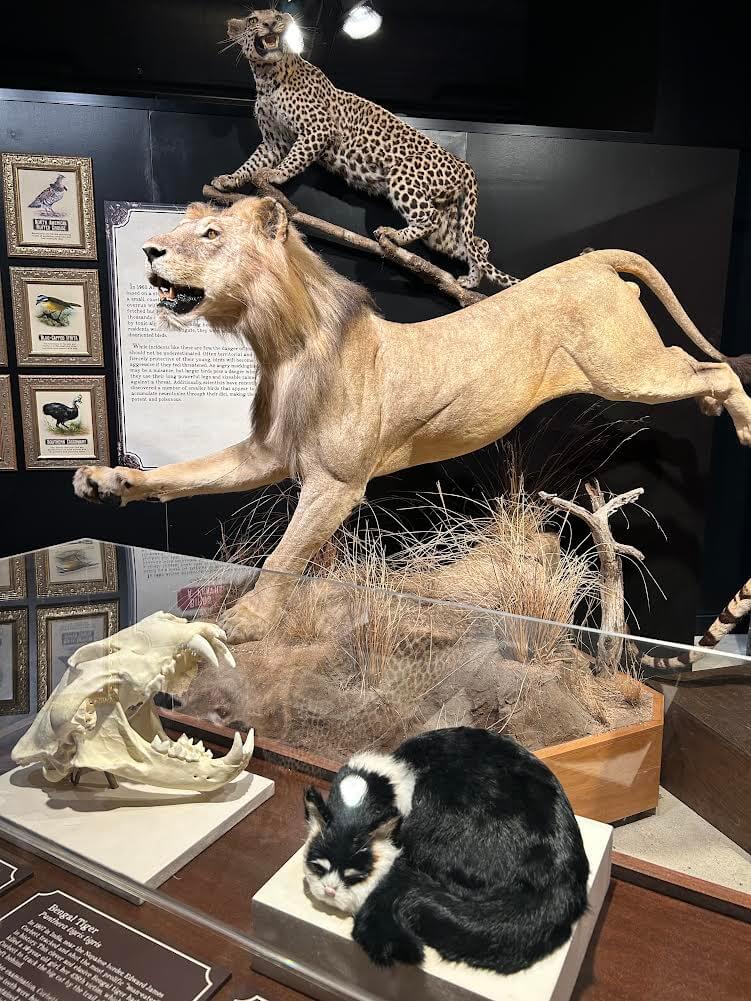
One of the exhibit’s goals is to clarify terms, a skill that will benefit all those who enter as they explore each gallery. Using displays featuring taxidermy, scale models, and attractively designed informational tidbits on plaques, visitors are invited to explore the weird and wonderful. In this area in particular, we learn that creatures that bite or sting to inject toxins are venomous, while organisms that release toxins when eaten, touched or absorbed are poisonous. Additionally, for this exhibit, the most fitting definition of “noxious” is “physically harmful or destructive to living things.”
Another important distinction emphasized by the exhibit creators is the one between “deadly” and “lethal.” While they are very similar terms, there is a distinction in precision and usage. When people use the term lethal, they are generally referring to something, like a poison, used intentionally to destroy life. Deadly is a more general term to describe an item that is very dangerous and likely or able to cause death.

The Paradox of Malevolent and Medicinal
Malevolent Minerals
While there are minerals people and animals need to survive, dose makes all the difference. There are, of course, others that were used regularly, are not found naturally in humans, and have since been found to cause severe illness and sometimes neurological changes and/or distress. A few of the displays in this exhibit note that in the past, many artists experienced “painter’s colic,” e.g., lead poisoning. More recently, there have been outbreaks of lead poisoning in older homes and in water in places like Flint, Michigan.
“Death by Natural Causes” also uses the minerals’ unique aesthetic to teach visitors about the hidden perils of the natural world. As visitors learn, two or more natural elements must combine in order to form minerals. (The exposition cites 92 naturally occurring elements; that is under debate. According to UNESCO, there are 94 naturally occurring elements.) The paradox is that while combining the elements makes them more chemically stable, it also increases their toxicity and their absorption capacity.
Flora Fight Back (Poisonous Plants)
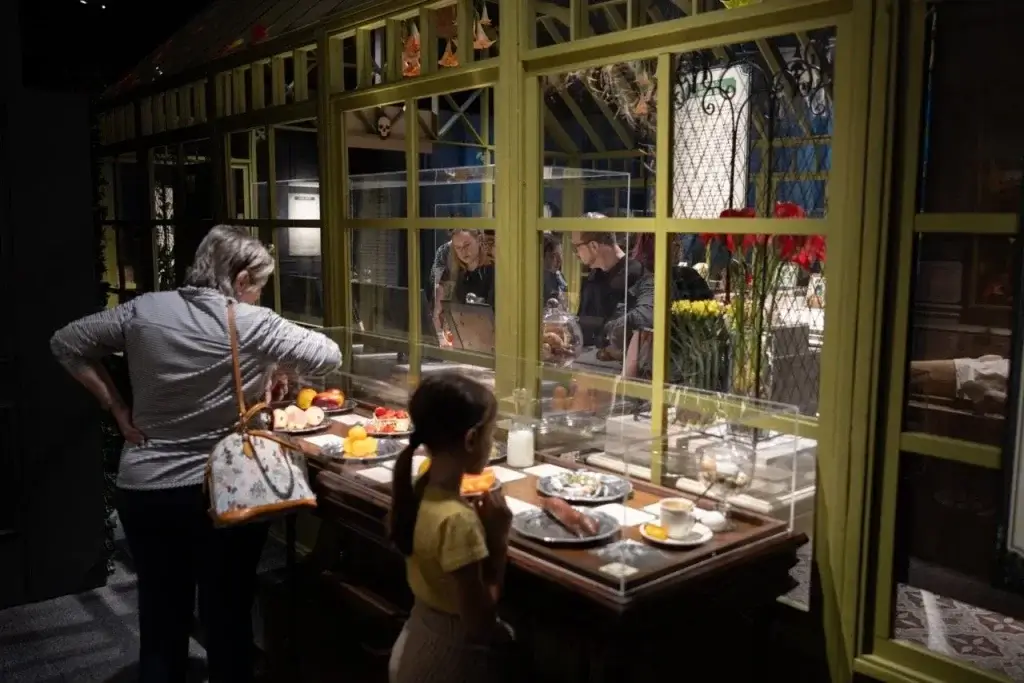
In one particularly fascinating display, “Death by Natural Causes” demonstrates how some of the most beautiful plants are also the most dangerous, and the way that cultural practices may also determine their capacity for health vs. harm. Using beautiful illustrations, physical samples, and sculpted models, the exhibit highlights plants like Belladonna and angel trumpet, alongside other potentially fatal flowers.
The exhibition also compares toxic mushrooms with harmless ones and explains what makes them look-alikes. For example, the death cap mushroom, responsible for 90-95% of mushroom-related fatalities worldwide, according to a KQED article by Sarah Wright, is often confused with several edible varieties.
Fearsome Fauna
Most people are aware of the various ways in which animals can cause harm — with claws, teeth, or other natural advantages — but “Death by Natural Causes” hopes to educate visitors about the unique ways in which some of these tools are used to benefit humans. For example, although venom toxins are often lethal to humans, they have also served as templates for some medicines used to treat cardiac symptoms., “Hopefully, visitors will realize all of the benefits of these venomous (snakes and some of the arthropods [insects, spiders and crustaceans]) animals. As scary as they may be … they serve an important role in nature and in human health, Dr. Spencer Greene, a medical advisor to the exhibit and a local toxicologist, told TMC Houston.
Reasons to Visit
Although the subject of death can be daunting, “Death by Natural Causes” isn’t dark or morbid (although it does lean into a gothic kind of aesthetic). Instead, it shines a light on how such a topic can be illuminating; visitors are encouraged to turn away from any discomfort, succumb to curiosity and leave feeling inspired by the wonders of nature.
May We Suggest:



-

This exhibit is a fascinating reminder that death is woven into the natural world in ways that can be both beautiful and surprising. By replacing fear with curiosity and understanding, “Death by Natural Causes” gives us a different—and perhaps more approachable—way to explore mortality.
-
I agree. Approaching mortality through science and curiosity can make a difficult subject feel less intimidating. There’s something powerful about recognizing that death isn’t separate from nature—it is part of the same cycle of life that surrounds us every day.
-






Leave a Reply