


Families and Hospitals Are Changing How We Grieve Infant LossParents and healthcare providers are developing new rituals to remember babies who have died, including memory-making and keepsakes
Hospitals and parents are developing new rituals to remember babies who have died, including memory-making and keepsakes. Until the latter half of the 20th century, mourning the loss of a baby was something American families did quietly and in solitude, particularly with stillbirths. Parents rarely got to spend much time with stillborn infants in hospitals,…

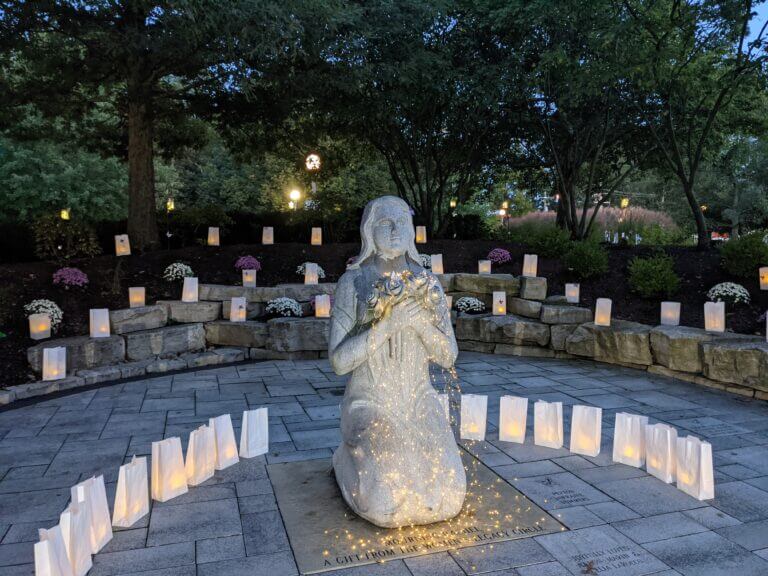
Hospitals and parents are developing new rituals to remember babies who have died, including memory-making and keepsakes.
Until the latter half of the 20th century, mourning the loss of a baby was something American families did quietly and in solitude, particularly with stillbirths. Parents rarely got to spend much time with stillborn infants in hospitals, and funerals — if held at all — were typically very small.
Because modern families are more likely to pick out names early, mark due dates and build lasting rituals around their babies, losing them can be devastating. Subsequently, more families are bringing attention to the grief involved in losing an infant child. Hospitals have even started including infant deaths in their bereavement programs.
The Change in Infant Death Rituals

Although infant death rates have decreased since the mid-1990s, the way babies are planned and prepared for has changed. Gender reveal parties, baby showers, social media and new family-planning rites of passage have contributed to babies playing a larger role in life even before birth. Unexpected losses are more singular and devastating with modern medicine and the aforementioned planning rituals involved.
New Ways to Remember Infant Loss
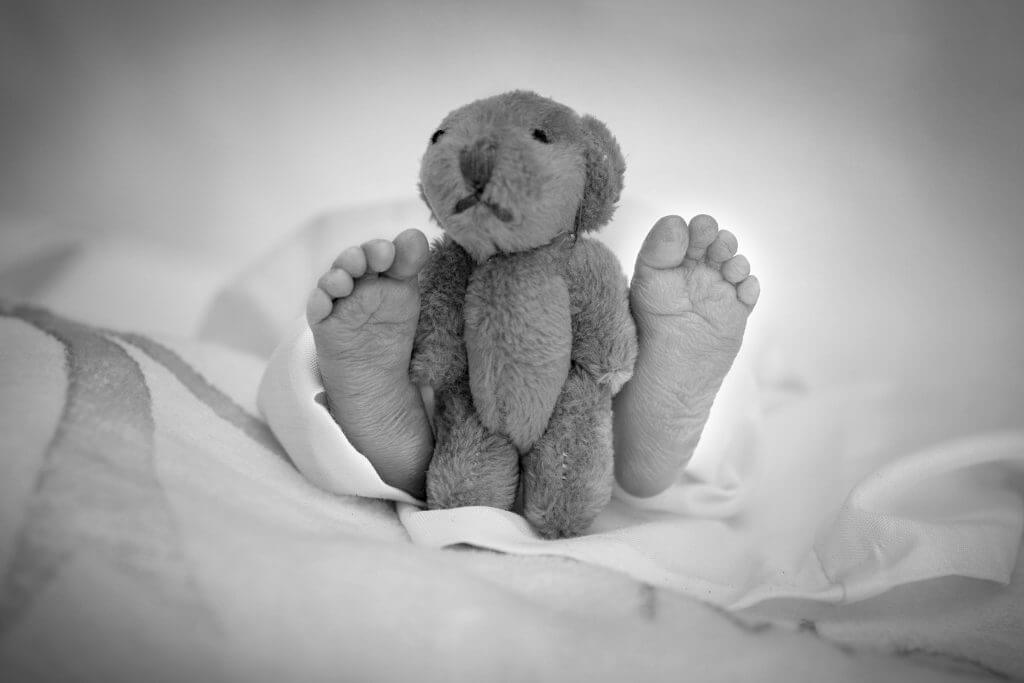
There are more hands-on practices developed by grief counselors and hospitals to help honor the loss of a baby. Keepsake boxes that hold hospital bracelets, stuffed animals, infant footprints and handprints, and other mementos help keep their baby’s memory alive.
Revisiting favorite colors, toys, objects or songs for infants who died after spending time at home can help families honor their memory as well. Some note that tending or creating a garden in the child’s name allows for a beneficial and positive association alongside the grief. For those with less of a green thumb, planting a single flower or tree in the baby’s honor works well too.
Bereavement photography is growing in popularity and has become a more visible way to grieve an infant. Some photographers have programs dedicated to assisting families with making free portraits for grieving families.
Simpler rituals can make a meaningful impact on how families grieve and remember, as well. A candle lit on the infant’s due date or birth date, writing a letter to the baby’s adult self or wearing jewelry that honors the baby (such as their birthstone) is subtle but impactful.

The Silence Behind Infant Loss
In earlier American history, acknowledging infant and child loss was more common. These infants or children were photographed, and families were expected to formally mourn them. Historians point out that the quieter avoidance of acknowledging infant loss in American culture is fairly modern. Miscarriages, stillbirths and other types of infant loss come with a lot of stigma, and many hospitals are not equipped to provide bereavement support to families who need it. Hospitals and obstetricians are only recently starting to pay closer attention to families’ emotional needs after losing their babies, but there is still a long way to go.
Those who study bereavement and grief find that memory-making and ritual help contribute toward lasting bonds between families and those they have lost. Creating a relationship with a loved one that can continue after death can help make grief easier to manage and process. In the case of an infant loss, these bonds are almost entirely built after the loss and memories may be few and far between. Keepsakes and rituals can help create a memory space that works best for you and your family as you navigate the loss of a newborn child.
May We Suggest:
 Lack of Bereavement Leave and Other Policies Fail Bereaved Families (Interview)
 Survivors Are Breaking the Taboos Around Disenfranchised Grief
 Stillbirth and Infant Loss Photography: Support for Families Through Remembrance (Interview)




Leave a Reply