


When No One Comes to Claim the Dead: The Growing Crisis of Lonely DeathsHow Japan’s response to unclaimed remains reveals a growing crisis of social isolation, changing family dynamics, and the need to preserve dignity in death
The grief associated with death and dying is often a universally lonely experience. However, that loneliness takes on an entirely different meaning when someone dies in true isolation, without anyone knowing or noticing that they are gone, and becoming unclaimed remains. For many Americans and Japanese citizens, this unsettling reality is becoming increasingly difficult to…

The grief associated with death and dying is often a universally lonely experience. However, that loneliness takes on an entirely different meaning when someone dies in true isolation, without anyone knowing or noticing that they are gone, and becoming unclaimed remains. For many Americans and Japanese citizens, this unsettling reality is becoming increasingly difficult to ignore.
According to funeral industry publication Connecting Directors, in 2023 approximately 42,000 bodies went unclaimed in Japan, representing 2.7% of all deaths that year. In the United States, an estimated 30,000 deaths annually result in unclaimed remains that must be handled by local authorities.
These numbers raise difficult questions about what happens when someone dies without family or friends willing or able to claim their remains. What does it mean when this outcome is because of financial limitations, estrangement or a lack of connection to that person during their lifetime?
Preserving Dignity After Death
The issue extends beyond unclaimed remains. Governments must determine how to manage unclaimed remains, fund cremations and burials, maintain records and provide appropriate final arrangements. Unclaimed remains can remain in municipal storage or funeral homes for years, raising questions about the resources required to manage this growing responsibility.
More importantly, do these systems honor the person who has died, or does the process risk reducing an entire life to another administrative task?
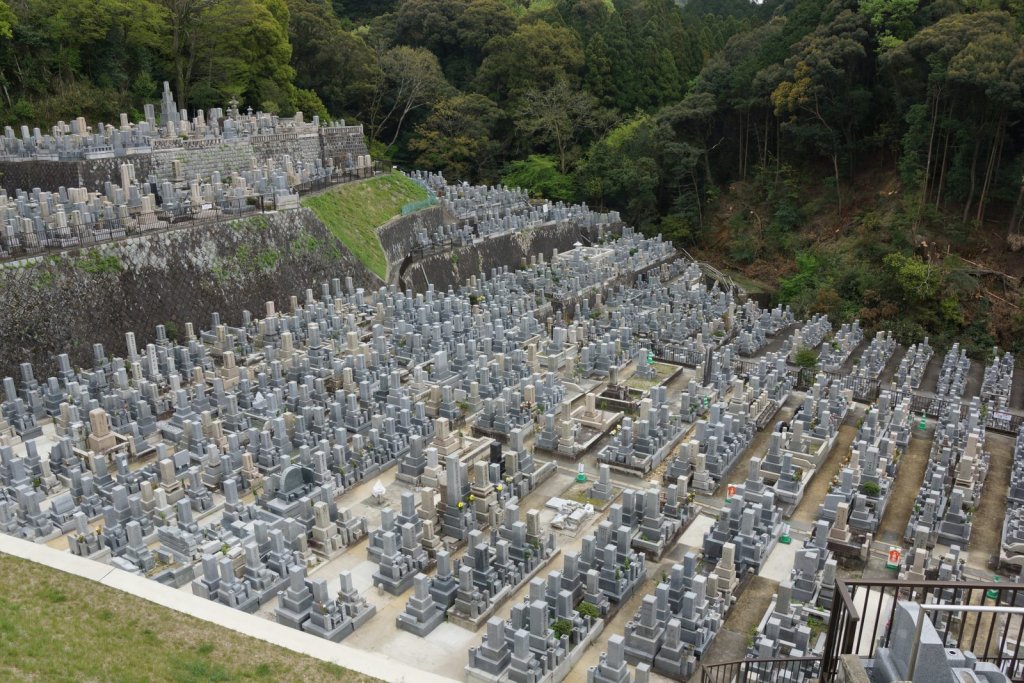
Japan offers one potential approach. In Yokosuka, a program connects eligible older adults who have no next of kin with funeral homes before their deaths. The arrangement allows individuals to plan their final wishes in advance while helping municipal officials coordinate their care and eventual funeral arrangements. The city’s Ending Plan Support Program reflects an effort to address these concerns before a crisis occurs.
This approach is promising because it recognizes that end-of-life planning is not simply about paying for a funeral. It is also about ensuring that someone’s wishes are known and that their death will not leave them entirely without support.
When Loneliness Extends Beyond Life
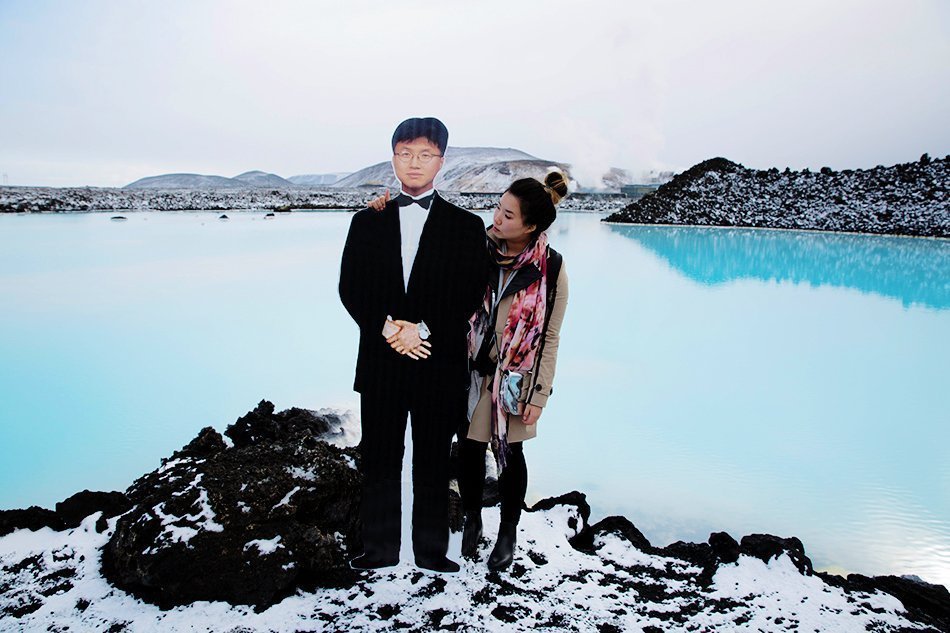
According to Kyodo News, Japan’s National Police Agency reported that 80% of people who died alone in 2024 were 65 or older. The report highlighted concerns about the growing number of older adults living alone without reliable family support. These figures force us to confront an uncomfortable possibility: that someone can live, age, and eventually die without having a meaningful support system to notice their absence. It is frightening and deeply sad to consider. Yet, as family structures change and more people age without partners, children or dependable relatives, these circumstances deserve our attention long before a death occurs.
Rethinking How We Care for One Another
As populations age and more people live alone, governments will need sustainable funding and community-based systems that address both social isolation and the practical realities of death. Funeral homes, social workers, local authorities and community organizations can all play a role. Ultimately, this issue asks us to consider something larger than the logistics of death. How do we want to live, and how do we want to be remembered when we are gone?
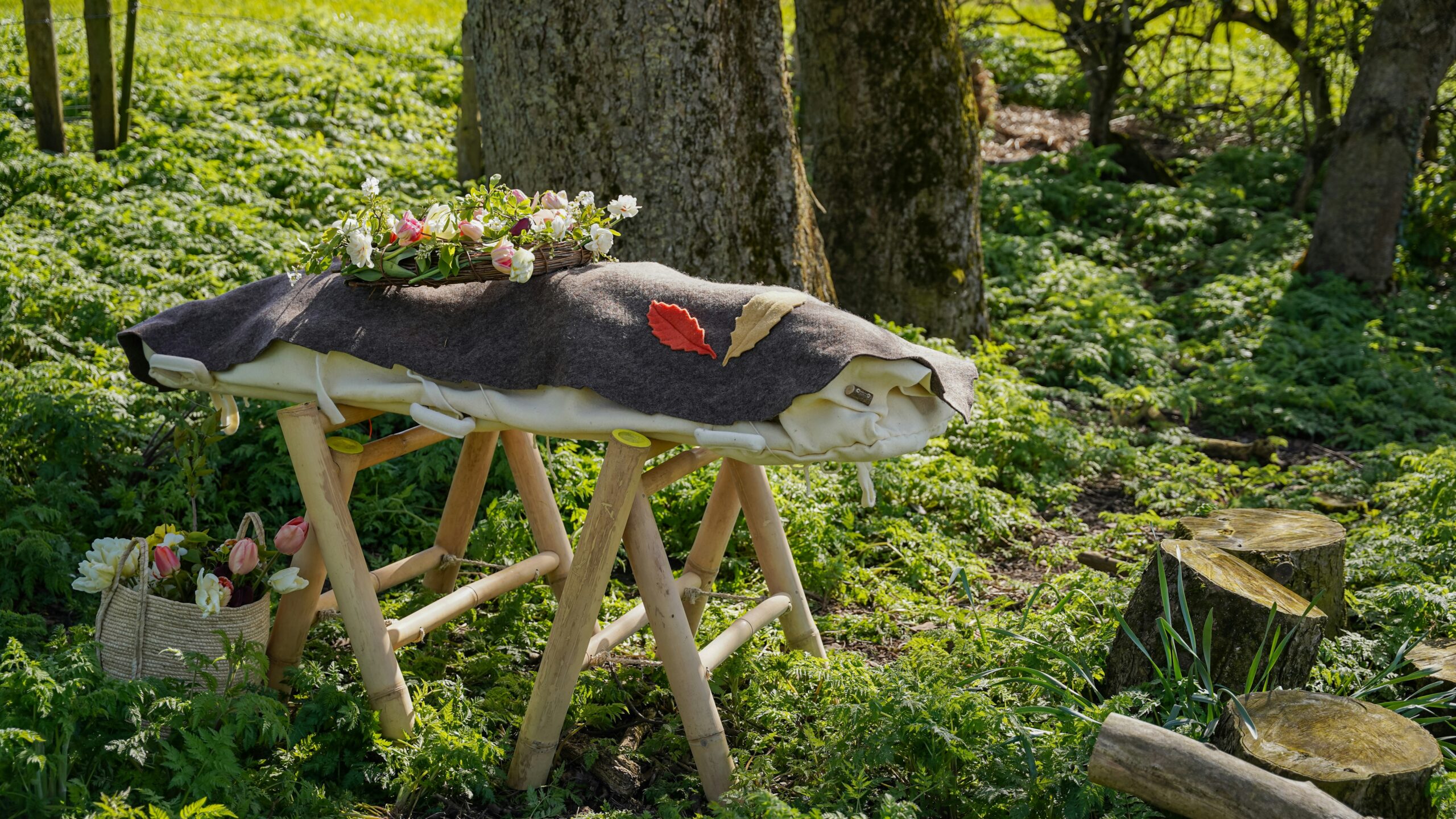
We cannot always prevent loneliness, and not everyone has a family they can depend on. But we can build communities that make isolation less likely and ensure that a person’s dignity does not depend on whether someone can afford to claim their remains.
Perhaps the most important preparation for death is not simply deciding what happens to our bodies afterward. It is creating a society in which people are seen, supported and remembered while they are still here.





Leave a Reply