


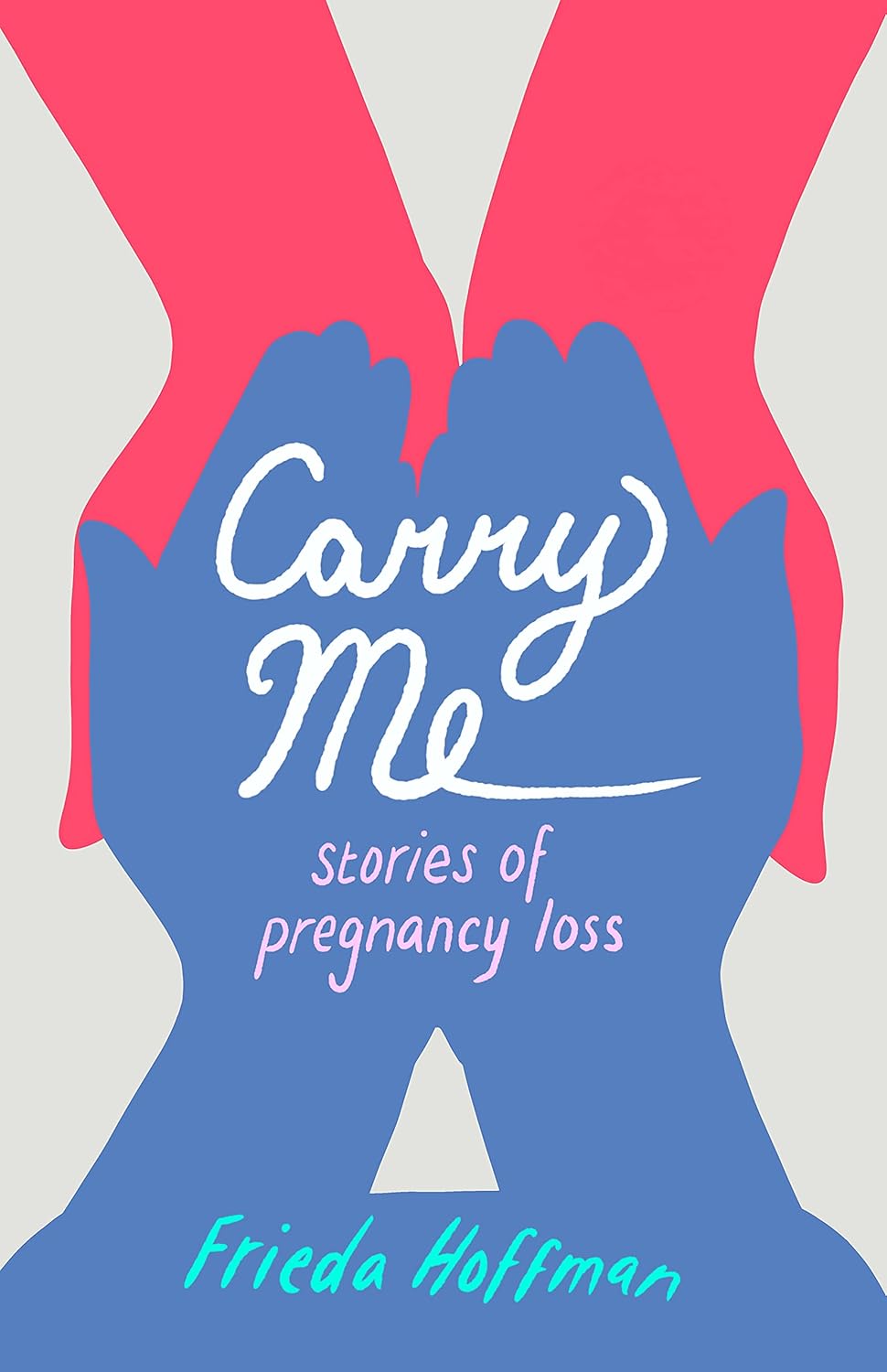
“Carry Me: Stories of Pregnancy Loss”The author compiles real stories of the emotional and physical challenges of miscarriage as she grieves her own loss
Pregnancy loss is incredibly common; in fact, about 10% to 20% of known pregnancies end in miscarriage. “But,” the Mayo Clinic stipulates, “the actual number is likely higher.” Despite how common it is, it can be an isolating experience. In many miscarriage cases, physicians offer minimal support after a patient is stable. Family members often…

Pregnancy loss is incredibly common; in fact, about 10% to 20% of known pregnancies end in miscarriage. “But,” the Mayo Clinic stipulates, “the actual number is likely higher.”
Despite how common it is, it can be an isolating experience. In many miscarriage cases, physicians offer minimal support after a patient is stable. Family members often don’t know what to say.
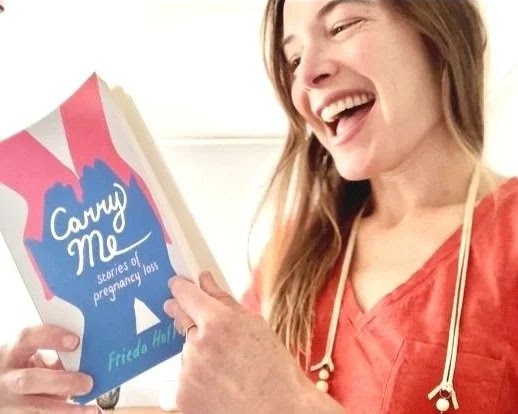
In “Carry Me: Stories of Pregnancy Loss” by Frieda Hoffman, the author uses her own experience with miscarriage to gather stories from those who have gone through similar grief and trauma. It refuses to allow the silence surrounding pregnancy loss to continue.
The Origins of “Carry Me”
Hoffman felt alone and overwhelmed after experiencing a miscarriage and found the amount of support and literature on the subject underwhelming.
“Why did I and so many others know so little about pregnancy loss?” Hoffman asked in the book’s introduction.
She decided to create the resource she wished she had when going through pregnancy loss. Hoffman interviewed many different women about their experiences with miscarriage, pregnancy loss and the grief they suffered as a result. She aimed to remove the lenses of religion or academic points of view in order to connect with others who have gone through similar losses. The book is intended to “carry” others through their grieving journey.
“Once we have opened ourselves up and shared our traumas, we can then hold space for others who are grieving and carry them through it,” Hoffman explained in “Carry Me.”
The “Carry Me” Project
By illustrating Hoffman’s own journey with pregnancy loss and those of the 19 women she interviewed, the book explores pregnancy loss, the healthcare system’s response (or lack thereof), grief and the isolation felt despite miscarriage being such a common experience.
Although Hoffman does interview a diverse range of women, she admits in the book that there could have been more diversity involved. There are limited interviews with women of color, LGBTQIA+ people and those with lower incomes. Despite those limitations, many who have experienced such loss can connect with these stories on some level.
Through these stories and interviews, “Carry Me: Stories of Pregnancy Loss” does a decent job of unpacking the many challenges associated with miscarriage, including financial distress, physical conditions, emotional pain, public health concerns and a lack of societal and healthcare support for miscarriages.
“Our modern culture undervalues intentional space and ritual ceremony for processing grief and its attendant feelings,” Hoffman explained. “Carry Me” serves as a stepping stone to create intentional space for this very particular and prevalent kind of loss.
What Sets “Carry Me” Apart
The book is meant to be a supportive resource while educating others on the lack of physical, emotional, financial, and clinical support pregnancy losses receive. It doesn’t pressure the reader to move on from their loss or “fix” the damage that miscarriage may have caused. It holds your hand and validates your loss, even when society doesn’t want to acknowledge it.
“Most people want to move past their loss and go back to their regular lives–try again, focus on the family they have, find their new normal,” Hoffman wrote. “I, however, have decided to stay in this slurry of loss and love. I’ve learned that my vulnerability in sharing and asking the tough questions is essential–not only for my own processing and healing but for others’ as well.”
“Carry Me: Stories of Pregnancy Loss” can help you feel less isolated when it comes to losing a pregnancy. It can also inspire you to share your own story if desired—with family, therapists or others who have experienced something similar.
Conclusion
For those who have experienced pregnancy loss, this can serve as a good resource to feel less alone and learn about others who have gone through similar experiences. Due to the real stories from real women, it doesn’t shy away from the pain of such losses, so those with fresh grief may need to wait before diving in. For someone further along in their grief journey, “Carry Me: Stories of Pregnancy Loss” by Frieda Hoffman can provide connection and community in an otherwise isolating environment.
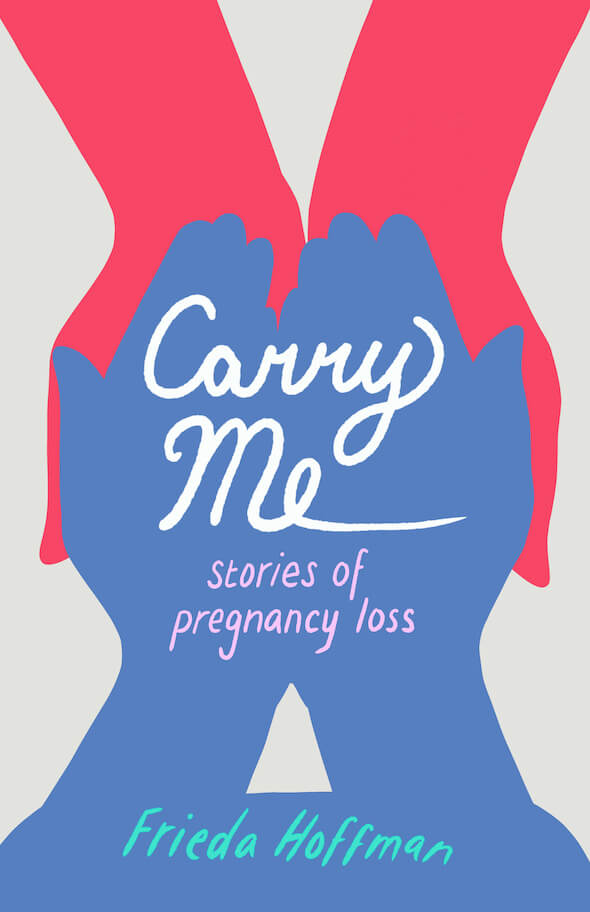
Buy This Book
Support indie book stores or buy from Amazon. We earn a small commission at no cost to you.
As an Amazon Associate, we earn from qualifying purchases.
May We Suggest:
 Survivors Are Breaking the Taboos Around Disenfranchised Grief
 Beyond the Five Stages: Grief Theories in the Modern Age
 October Marks Pregnancy and Infant Loss Awareness Month
-

Pregnancy loss is often a quiet grief that many people carry alone. Books like Carry Me help break that silence by validating these experiences, creating connection, and reminding those who have experienced miscarriage that their loss and their grief deserve to be acknowledged.
-
I love that this book gives voice to a loss that is so often carried in silence. Simply acknowledging pregnancy loss as real grief can be incredibly healing, and stories like these remind people they don’t have to walk that journey alone.
-









Leave a Reply