


“Grave of the Fireflies”Beloved Japanese animation company Studio Ghibli delivers one of the saddest films of all time about grief and loss during war.
Isao Takahata’s 1988 masterpiece “Grave of the Fireflies,” produced by Japanese animation company Studio Ghibli, is consistently praised as one of the best — the most emotionally devastating — animated films of all time. It’s an important watch, emotionally and morally, depicting the devastating effects of war on civilian populations, particularly children. It also features…

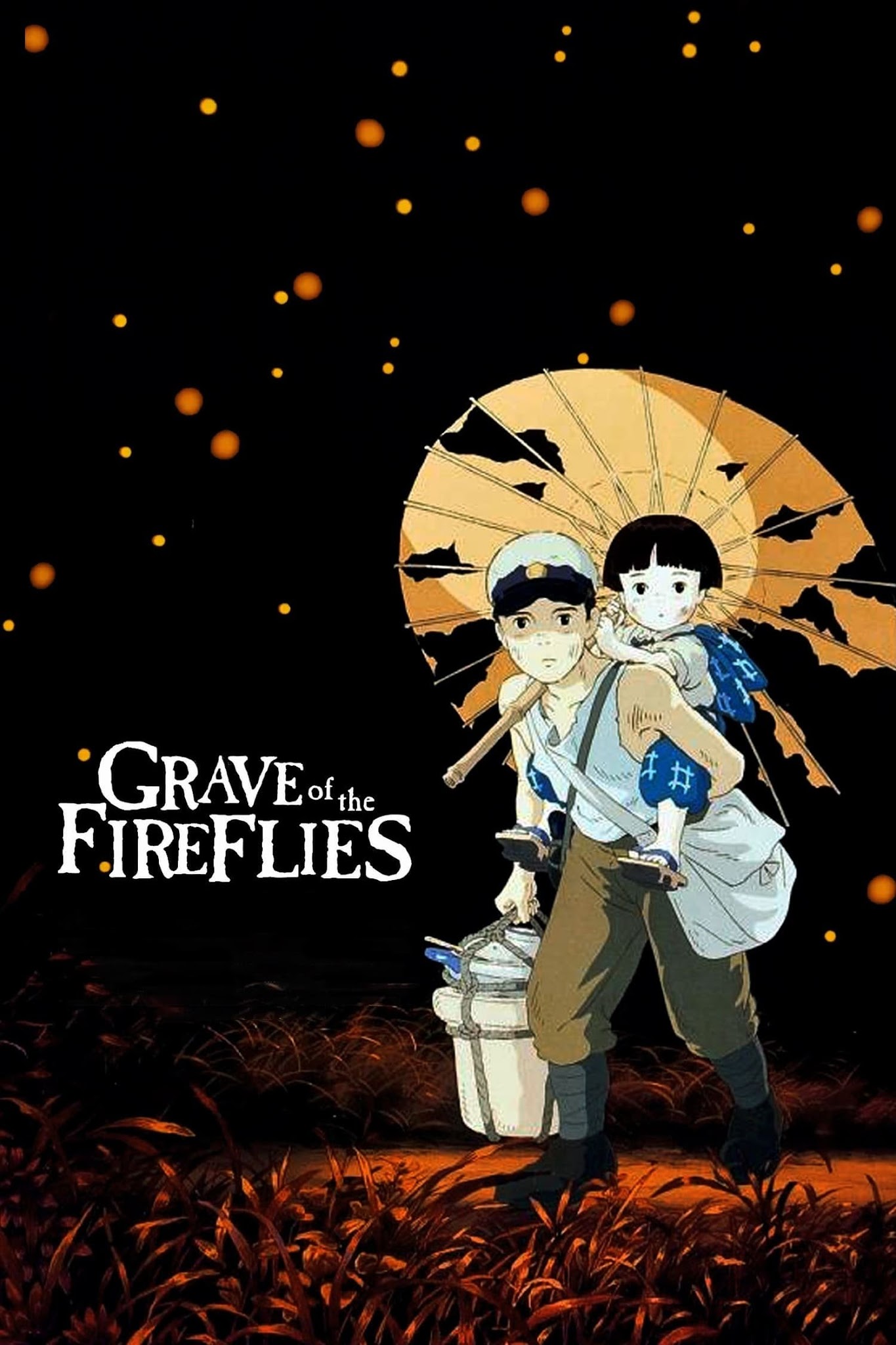
Isao Takahata’s 1988 masterpiece “Grave of the Fireflies,” produced by Japanese animation company Studio Ghibli, is consistently praised as one of the best — the most emotionally devastating — animated films of all time. It’s an important watch, emotionally and morally, depicting the devastating effects of war on civilian populations, particularly children. It also features one of the most prominent stories of grief and loss.
From the incredible animation to the beautiful score composed by Michio Mamiya, it immediately demands your attention and keeps it there.
The Plot of “Grave of the Fireflies”
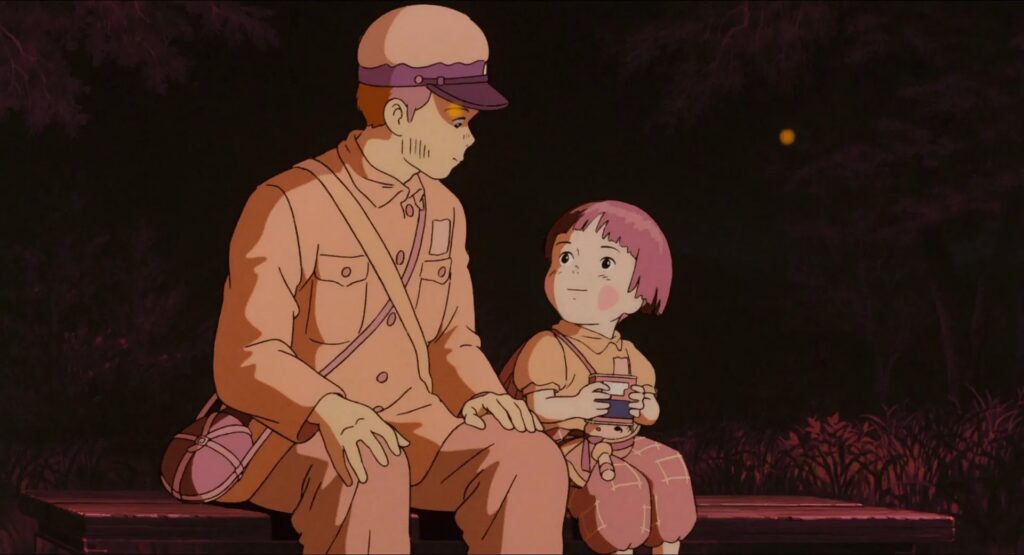
“Grave of the Fireflies” is set during the final stages of World War II, specifically in the Japanese theater. Based on a semi-autobiographical short story of the same name by Nosaka Akiyuki, the film follows the perspective of a fourteen-year-old boy, Seita, and his four-year-old sister, Setsuko, as they try to survive devastating firebomb attacks that kill their mother and displace them from their home. Their father is actively fighting for the Japanese Navy, unable to provide for their care.
While the film takes place during war, you won’t find triumphant battles or hard-fought victories; you’re focused on these two children as they fight to stay alive.
“Grave of the Fireflies” is a heartbreaking glimpse into the horrors of war; all you can do is watch as Setsuko and Seita slowly starve to death, continuously turned away from adults who are also fighting for their lives and similar devastation.
The children are portrayed realistically: Seita has flaws and makes arrogant mistakes, some of them fatal, as he fights to protect himself and his sister.
What Makes “Grave of the Fireflies” Remarkable?
Like many tragedies, “Grave of the Fireflies” does not shy away from or glorify suffering to make viewers more comfortable. While Takahata uses beautiful animation to contrast with the emotional anguish, it only serves to make the losses more poignant. The gorgeous artwork, particularly in scenes where children play near a pond they find, or when fireflies illuminate the summer nights, offers little reprieve from the grief you feel as the plot unfolds. There is not much relief from the sorrow, and it is deliberately paced this way.
While the director himself has dismissed the suggestion that “Grave of the Fireflies” serves as an anti-war film, the story speaks for itself, as it gives an unflinching example of how war harms innocents and even kills children. Seita and Setsuko don’t die from gunshots or bombs; they starve to death after fighting to survive the chaos around them.
There is a downside to such a message, however. Many viewers deem it the best movie they’ll never rewatch. With such relentless focus on trauma, grief and devastation, some may find the film unwatchable, especially for repeat views. For some, it may even feel traumatic.
Conclusion
For these reasons, the film may not be the best tool for the recently bereaved, especially if you’ve experienced the loss of a child, sibling or parent. “Grave of the Fireflies” may actually wound more than heal. For those further along in the grief journey, who feel catharsis from raw, honest depictions of tragedy, grief and loss, it may be a powerful and memorable watch.
Ultimately, “Grave of the Fireflies” doesn’t try to heal grief — it provides an honest story, explaining why it matters and how the world was wrong to allow such devastation. For many who are grieving, this acknowledgment can be an important reminder on the healing journey.
Rent or Buy This Film
Rent or buy this film from Amazon. We earn a small commission at no cost to you.
As an Amazon Associate, we earn from qualifying purchases.
May We Suggest:
 Survivors Are Breaking the Taboos Around Disenfranchised Grief
 Beyond the Five Stages: Grief Theories in the Modern Age
 “The Boy and the Heron”





Leave a Reply