


“Mobituaries: Great Lives Worth Reliving”A humorous book offering a look at what makes life worth appreciating through remarkable lives
In “Mobituaries,” TV and radio personality Mo Rocca explores the unusual lives and oft-forgotten deaths of unappreciated changemakers — from artists, entertainers and political leaders to outdated scientific and cultural beliefs. Together with Jonathan Greenberg, a Montclair State University English professor, Rocca takes a lighthearted look at the transient nature of life, while eliciting an…

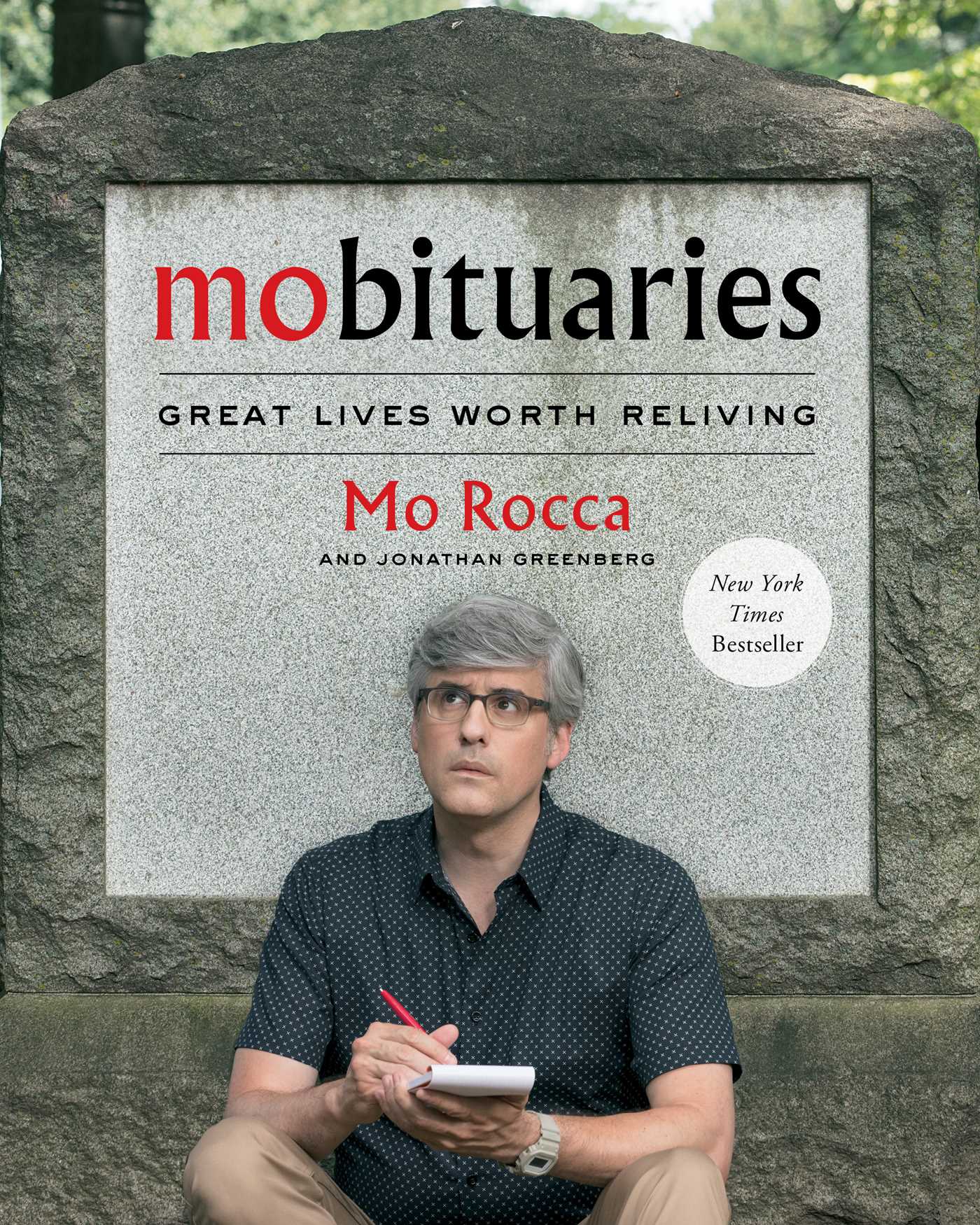
In “Mobituaries,” TV and radio personality Mo Rocca explores the unusual lives and oft-forgotten deaths of unappreciated changemakers — from artists, entertainers and political leaders to outdated scientific and cultural beliefs. Together with Jonathan Greenberg, a Montclair State University English professor, Rocca takes a lighthearted look at the transient nature of life, while eliciting an appreciation for the depth and breadth of its impact.
Rocca — a CBS Sunday Morning correspondent who is also a regular panelist on NPR’s “Wait Wait…Don’t Tell Me!” and a former correspondent for “The Daily Show” — has long had a fascination with obituaries. Yet, due to his sense that many people — and things — had not been fully honored, he created a podcast, also titled “Mobituaries.” It took off, and in November of last year, Rocca published his book by the same name. Using his trademark wit and reporter’s instincts, he draws the reader into tales of forgotten forerunners, movie stars with charitable sides, and mythological creatures once believed to be real. In his own words:
“A Mobituary is an appreciation for someone who didn’t get the love she or he deserved the first time around.”
While “Mobituaries” is more about life than death, it offers perspective — and amusement. At times, Rocca’s humor veers into “Dad joke” territory — including some terrible puns. At others, the silly nature of his questions (regarding Albert Einstein’s brain, which disappeared during post-mortem study: “Had Einstein’s brain escaped, perhaps in search of a new host’s body?”) made me laugh out loud. Perhaps now, amid the great challenges of coping with COVID-19, many will find his comic approach comforting as well as entertaining and informative.
“Mobituaries” Honor Overlooked Characters & Traits
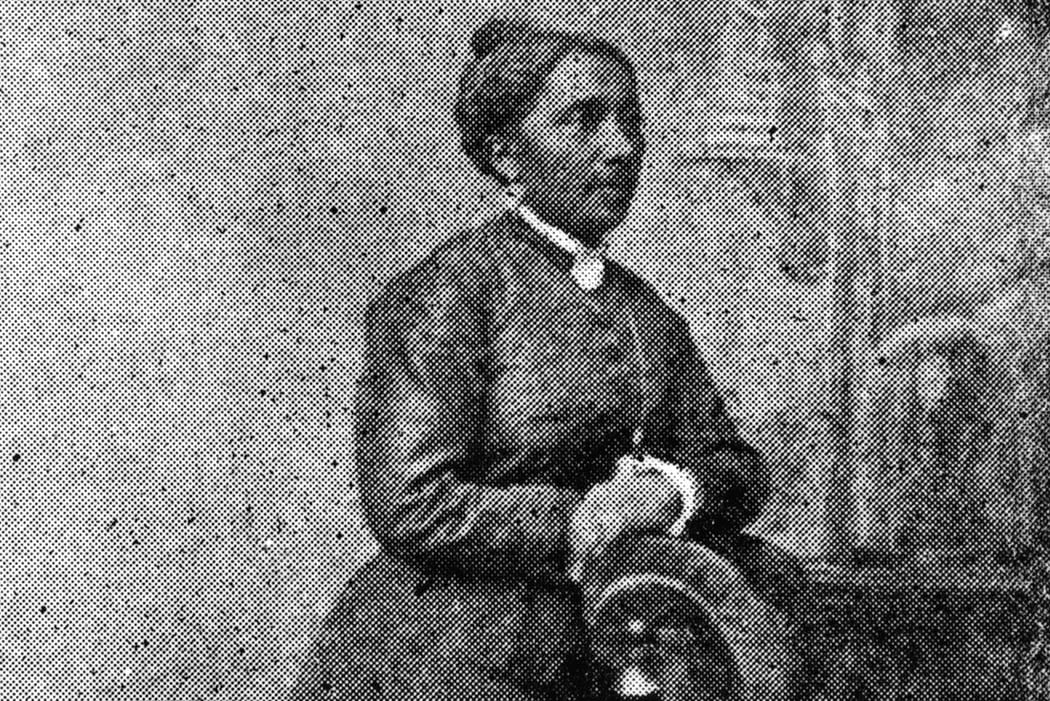
to the desegregation of New York City’s public transportation system.
Some of the most enlightening “Mobituaries” illuminate unsung heroes, such as Elizabeth Jennings, an African-American teacher who preceded Rosa Parks in insisting on her right to board a New York streetcar. Others delve into the personal lives of those we may only recall as victims of exploitation, such as conjoined twins Chang and Eng Bunker, the original “Siamese Twins.” Some of the more touching “Mobituaries” reveal the humanitarian sides of public figures, including former president Herbert Hoover and movie star Elizabeth Taylor. Still others unveil the history of long-held beliefs later disproved by science, such as the existence of dragons or the benefits of bloodletting for healing purposes.
Rocca clearly has an appreciation for television and pop culture, and while those “Mobituaries” are less deep and insightful, the book is an enjoyable read. It ends with a touching tribute to the author’s father:
“So often in writing this book my father sprang to mind. Partly because my love of obituaries comes from him. Partly because so many of the things he liked — old movies, the music of Jerome Kern, long car rides — are things I like…. But there’s a larger sense in which he’s been my guide throughout this endeavor. The greatest compliment I’ve received on the ‘Mobituaries’ podcast has been that the subjects were treated with compassion.”
And so, in the midst of all these things that come and go, Rocca reminds us of what’s important: Each other.
Buy This Book
Support indie book stores or buy from Amazon. We earn a small commission at no cost to you.
As an Amazon Associate, we earn from qualifying purchases.
May We Suggest:
 “An Exact Replica of a Figment of My Imagination”
 “Ethical Wills: Putting Your Values on Paper”
 “The Book of Ceremony ”





Leave a Reply