


‘Peaceful Exit: A Guide to Reimagining Your Final Chapter’Sarah Cavanaugh’s book that helps readers plan a peaceful goodbye, break the cultural taboo around end-of-life conversations and bring more meaning to life right now
Sarah Cavanaugh wrote her new book, “Peaceful Exit,” because she wants to make a difficult conversation as easy and painless as it could possibly be. Written with collaborator Lynya Floyd, “Peaceful Exit” grew out of Sarah Cavanaugh’s eight years of research, her experience co-teaching the live online “Peaceful Exit” course and intimate interviews from her…

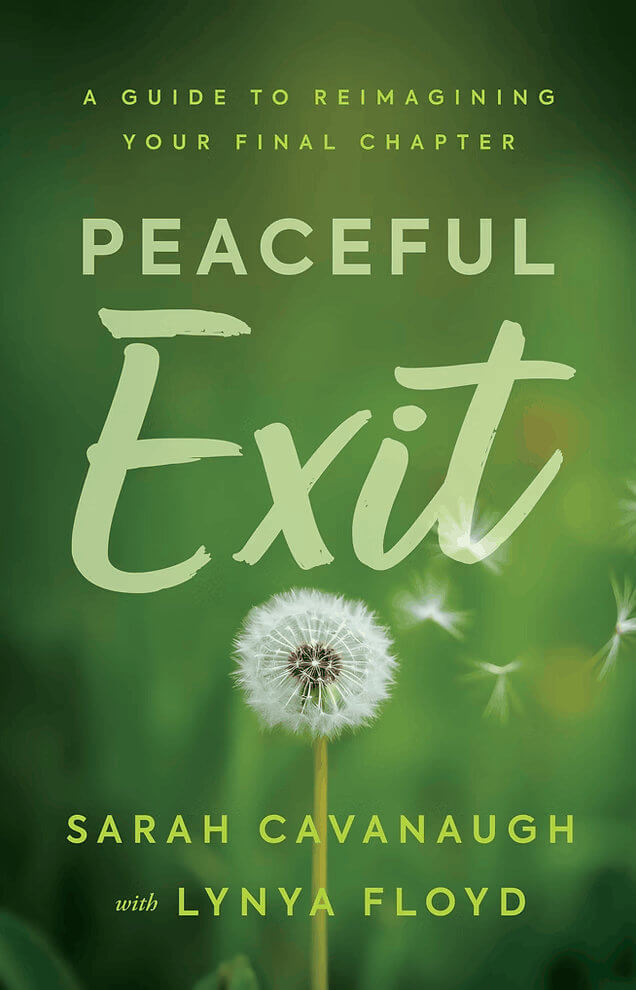
Sarah Cavanaugh wrote her new book, “Peaceful Exit,” because she wants to make a difficult conversation as easy and painless as it could possibly be.
Written with collaborator Lynya Floyd, “Peaceful Exit” grew out of Sarah Cavanaugh’s eight years of research, her experience co-teaching the live online “Peaceful Exit” course and intimate interviews from her Peaceful Exit podcast, which has featured guests such as Anne Lamott, Mary Roach and Oliver Burkeman.
The book, which will be available everywhere books are sold on Oct. 27, 2026, is a natural progression in Cavanaugh’s quest to share what she’s learned about end-of-life planning and how important it is to talk about what matters most before it’s too late.
Cavanaugh’s “Death Story”
Central to Cavanaugh’s work is the concept that everyone has a “death story,” a way of understanding death that is shaped by their life experiences. Her own death story, which she shares in the book, is a large part of what led to the whole Peaceful Exit enterprise.
“For me, it was ‘stay silent, suffer alone,’” she told me in our interview. “‘We don’t talk about this subject.’”
But after her mother died in 2002, Cavanaugh realized that her family’s approach to grief – or lack thereof – would leave her consumed by guilt and regret.
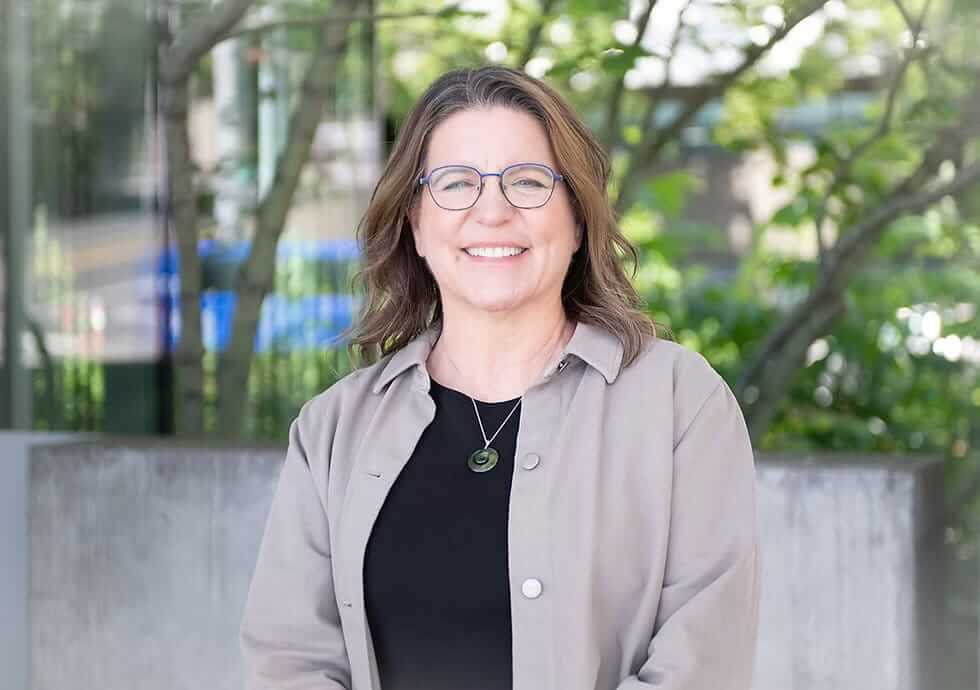
“What became clear for me, in my life, was that I needed language around my own mortality. And I wanted to offer that to everyone else, to say, ‘Look, this is a conversation that’s not as hard as we think.’”
One goal of “Peaceful Exit” is to help people understand their own “death story” in order to change the way they view their mortality. Cavanaugh wants to give people the opportunity to tell the stories around what they’ve inherited and how they might want to change those things for themselves.
“Thinking about your final moments helps elucidate how you want to live currently — even if you’re not knocking on death’s door,” she said.
Planning Your Peaceful Exit
In addition to explaining why end-of-life conversations are so important, “Peaceful Exit” provides the language, tools and inspiration to act on her advice.
Throughout the book, Cavanaugh offers guidance on tasks people can tackle now, to ensure their affairs are in order when their time comes, allowing them to live with greater peace of mind. Tasks like creating “praise, pardon and patch lists,” in which you name the people you want to praise, the grudges you’re ready to pardon and the relationships you hope to patch in order to transform those relationships while there’s still time.
“Thinking about your final moments helps elucidate how you want to live currently — even if you’re not knocking on death’s door”
Even more practically, she offers checklists and advice about crafting your own end-of-life plan, including information about advance directives, wills and memorial preferences. And finally, she helps readers find ways to start the hard conversations with parents, partners and children that are necessary to put all these plans into action.
“I would love people to know that a peaceful exit is one where you die without anything left unsaid or undone,” she told me. “That means your loved ones know how you feel about them, they know what you want your last days to look like and what to do with your body and your possessions after you’re gone.”
Making These Plans Is an Act of Love and Service
The overall message of “Peaceful Exit” is that planning your own death — to whatever degree we’re capable of doing so — isn’t just a way of changing your life for the better but an act of love and service to the people you leave behind.
“It’s important to note that there’s a lot to do after someone dies,” Cavanaugh explained. “Everyone’s grieving, it’s a really difficult time. And in some circles, there’s no ‘time-out.’ In other words, Mom dies on Friday, you’re back to work on Monday, and the culture doesn’t really allow for grieving before we have to do all these logistics.” So the more we prepare for all of those tasks required of family members when someone dies, the more we save them from the overwhelming burden of responsibility.
Knowing that many of these tasks necessitate difficult conversations with family members and friends who might not be receptive, Cavanaugh wants her readers to remember to take it one baby step at a time. In particular, she said that she’s fielding a lot of questions from people who want to have these discussions with their aging parents.
“It’s important to note that there’s a lot to do after someone dies”
“Open a window with someone you love,” she said. “There’s ways of going sort of sideways into this conversation that’s not as intimidating as going right in and saying, ‘So I really need to talk to you about your end of life and whether you want to be cremated,’ which is like, right in the front door.”
Instead, for example, Cavanaugh says you could select something from their home that you love and tell them a story about why you love it — and explain why you care. Maybe ask if the item has its own story they can share with you. That way, you won’t be left wondering about the item’s origins when they’re gone, and no one will have those answers anymore.
The flip side of this story is that you can — and should — offer those stories to your own loved ones, and save them from wondering about your things after you’re gone. And in so doing, you’re starting down the path of creating your own peaceful exit.
Buy This Book
Support indie book stores or buy from Amazon. We earn a small commission at no cost to you.
As an Amazon Associate, we earn from qualifying purchases.
May We Suggest:
 When Medical Aid in Dying Isn’t an Option, Where Can Suffering People Turn For Help? (Interview)
 What Are Some Implications of the California End of Life Options Act? (Interview)
 Why is Death Midwifery Important? (Interview)






Leave a Reply