


“The Art of Dying Well”Award-winning journalist highlights how to navigate aging in place, caring for dying loved ones, and managing terminal illnesses
Most Americans face the end of life without a concrete plan. Only one-third of Americans have filled out the basic legal paperwork regarding end-of-life wishes. Author Katy Butler sheds light on the subject of preparing for the end of life like never before to help Americans understand what to expect. “The Art of Dying Well:…

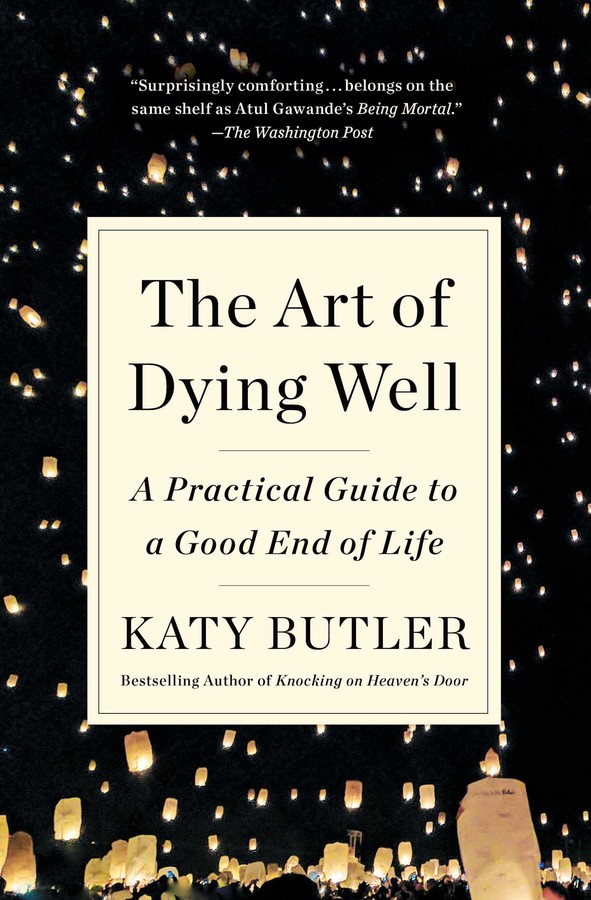
Most Americans face the end of life without a concrete plan. Only one-third of Americans have filled out the basic legal paperwork regarding end-of-life wishes. Author Katy Butler sheds light on the subject of preparing for the end of life like never before to help Americans understand what to expect. “The Art of Dying Well: A Practical Guide to a Good End of Life” is a step-by-step, stage-by-stage handbook for traversing life’s final chapter with ease, dignity and peace.
The Core of “The Art of Dying Well”
Butler wrote this guide after her personal memoir and exposé, “Knocking on Heaven’s Door,” as she documented the end of her father’s life, where she noted the limitations of modern medicine as it prolonged his suffering. Her experience led her to realize that most people, including doctors and families, aren’t quite prepared to navigate the end stages of terminal illness or advanced age.
“The Art of Dying Well” tackles this daunting subject with a practical and expansive lens. It was inspired by the Latin medieval death texts, “Ars Moriendi (The Art of Dying).” Butler wrote the modern version, addressing subjects regarding receiving the right healthcare, the role of a good hospice and what to expect in the final days of one’s life.
A Glimpse Into “The Art of Dying Well”
The book is organized into seven different chapters representing the different stages of advanced age or terminal illness. It begins by providing a foundation for healthy aging, and then dives into the ins and outs of managing illnesses, navigating palliative care and reaching the “active dying” stage. Butler provides real-life stories and interviews from patients, families, caregivers, hospice workers, physicians and geriatricians to provide a useful map of the end-of-life terrain.
The practical advice laid out in “The Art of Dying Well” is incredibly useful to American families and adults, even at younger ages. It highlights how to choose a care team you can have honest conversations with, what advance directives really are, when to avoid emergency care, how to build a support system for dying patients and even when to transition to comfort-focused palliative care. In the process, Butler also illustrates how modern medicine can inadvertently prolong discomfort and how to avoid such cases.
While the book provides many tips and practical guides for navigating the healthcare system and family matters during the end-of-life stages, it is not entirely clinical. In each chapter, personal stories from her own life and those of others can show how decisions and treatments can play out in real scenarios. There is heart and humanity woven into the pages.
“The Art of Dying Well” As a Resource
While many books about death strictly cover either the spiritual element or the clinical side of things, there are fewer that focus on the structural or systemic barriers that prevent peaceful deaths. Butler addresses flaws in the healthcare system and society’s discomfort with mortality, and how they often prevent loved ones from tackling the tougher conversations about death until it is too late.
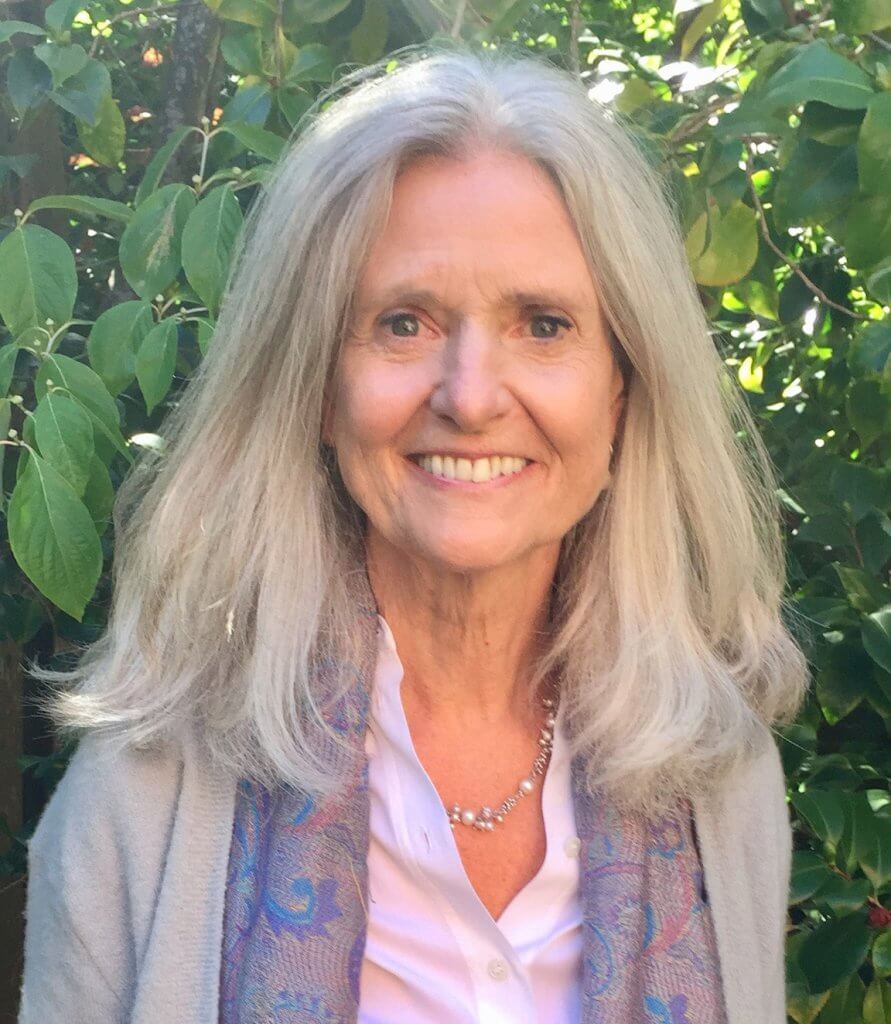
Butler’s journalism background is evident in the research that went into the book, as well as the clarity of her documentation. The text serves as an important guide for patients and their families toward supportive, comfortable and informed care during the end stages of life. “The Art of Dying Well” also shows that preparing for death isn’t the same as giving up or embracing morbid concepts, but instead can be a meaningful act of love for yourself and your family.
There are a few flaws in the text, however. It often assumes that most people have access to informed healthcare providers, are able to adequately plan for retirement, can afford modern care and have a support system available to them. Although the book does acknowledge that not all have support systems or financial freedom later in life, there isn’t as much advice dedicated to these populations. Those facing significant disparities in healthcare or financial access may find some of the advice more difficult to implement.
All in all, “The Art of Dying Well” is a useful tool to help advocate for your or your loved one’s peaceful death. It also can help you take control of your healthcare, final years and your legacy — whatever that may mean for you. Whether you’re looking to educate yourself on navigating a peaceful death for yourself or for your family member, the book serves as a practical and easy-to-follow guide that provides clarity and intention.
Buy This Book
Support indie book stores or buy from Amazon. We earn a small commission at no cost to you.
As an Amazon Associate, we earn from qualifying purchases.
May We Suggest:
 Death Goes Modern
 “Conscious Dying” Gains Traction as Boomers Seek to Transcend a Death-Denying Culture
 Why is Death Midwifery Important? (Interview)
-

Planning for the end of life is one of the greatest gifts we can give ourselves and the people we love. Honest conversations today can bring clarity, comfort, and peace when they’re needed most.
-
Certainly, having these conversations before a crisis allows our wishes to become a source of guidance rather than uncertainty for those we love. Planning ahead isn’t only about death, it’s also an act of care for the people who may one day have to make difficult decisions on our behalf.
-








Leave a Reply