


“The Faraway Nearby”A writer explores her mother’s Alzheimer’s, breast cancer and the loss of a relationship
In “The Faraway Nearby,” writer and activist Rebecca Solnit weaves storytelling and memoir together with philosophical musings as she explores some of her life’s greatest challenges — including her mother’s descent into Alzheimer’s. Solnit finds an unusual portal into her subject matter, introducing us to her mother’s decline through the 300 pounds of apricots that…

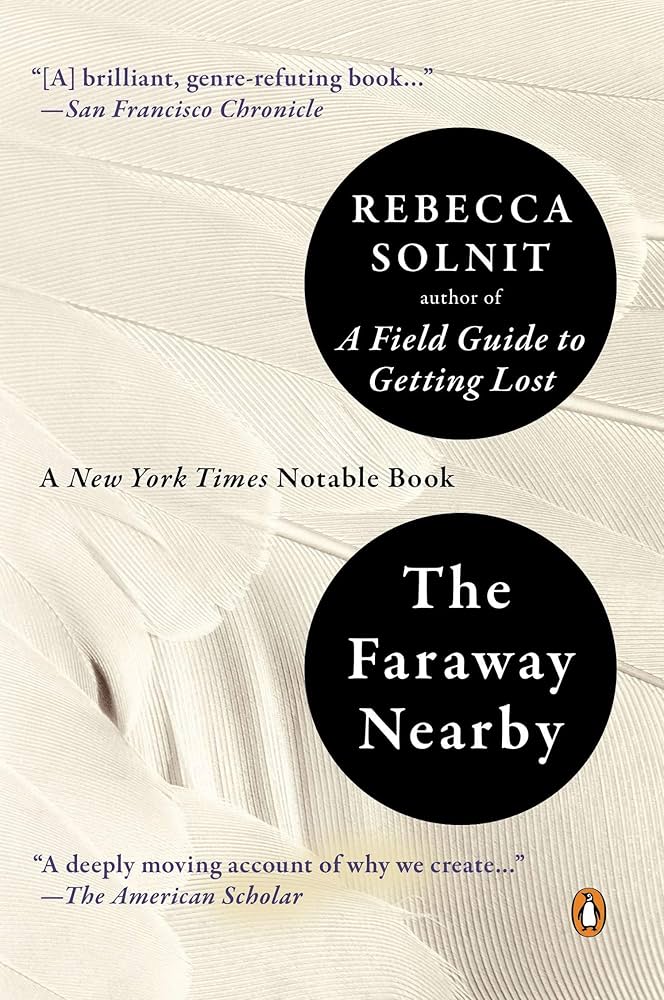
In “The Faraway Nearby,” writer and activist Rebecca Solnit weaves storytelling and memoir together with philosophical musings as she explores some of her life’s greatest challenges — including her mother’s descent into Alzheimer’s. Solnit finds an unusual portal into her subject matter, introducing us to her mother’s decline through the 300 pounds of apricots that ended up in her apartment once her mother no longer picked them. As it turned out, the apricots were the culmination of a series of events in which Solnit had tried, and sometimes succeeded, to support her mother in her confusion:
“She lost her car, and I went over and drove her around until we found it; we crossed our fingers until she lost her driver’s license for good; she lost her purse and I turned her house upside down until it showed up on the seat of a chair pushed into a desk days after we’d given up; she lost her keys or her wallet, and we came over and unlocked the door with our keys and made more keys and left one with her nearby friend, and hid one on the premises, and then a replacement, and then one after that.”
Solnit’s trademark literary style moves deftly between information and revelation in “The Faraway Nearby” — regularly insightful, sometimes scattered, often moving. She doesn’t sugarcoat the challenges of caring for her elderly mother — or those that come later, including the loss of a relationship and a breast cancer diagnosis:
“You must be patient, must become a patient, must take up residence in waiting rooms, must learn to wait for experts and results, must grow accustomed to being laid out upon tables and invaded, described in unfamiliar language, and treated with methods that may seem like illnesses and injuries though they are intended to cure.
“The Faraway Nearby” Embraces Storytelling
Credit: Haymarket Books
Through her illness, Solnit finds a new level of empathy for those struggling with health issues, including a friend who’d given birth to a premature baby and another dying of recurring breast cancer. The apricots reappear repeatedly throughout the text as a metaphor and a challenge, a “fairy-tale ordeal” that Solnit equates with the straw the girl in “Rumpelstiltskin” must spin into gold overnight and other such arduous, fairy-tale tasks. Amid the ups and downs of life, with so little within our control, coming to terms with 300 pounds of apricots provides a viable sense of accomplishment. Solnit surmounts this particular challenge by canning them; by making jam, preserves and liqueur; and by giving them away – often, to those who showed up to help her through the very difficulties she describes.
Any reader grappling with their own losses will take comfort from the insight contained within Solnit’s confessions, as well as her emphasis on the power of stories — their ability to provide solace, to instruct, to heal. After all, as Solnit points out, “a story is a thread that meanders through our lives to connect us each to each and to the purpose and meaning that appear like roads we must travel.”
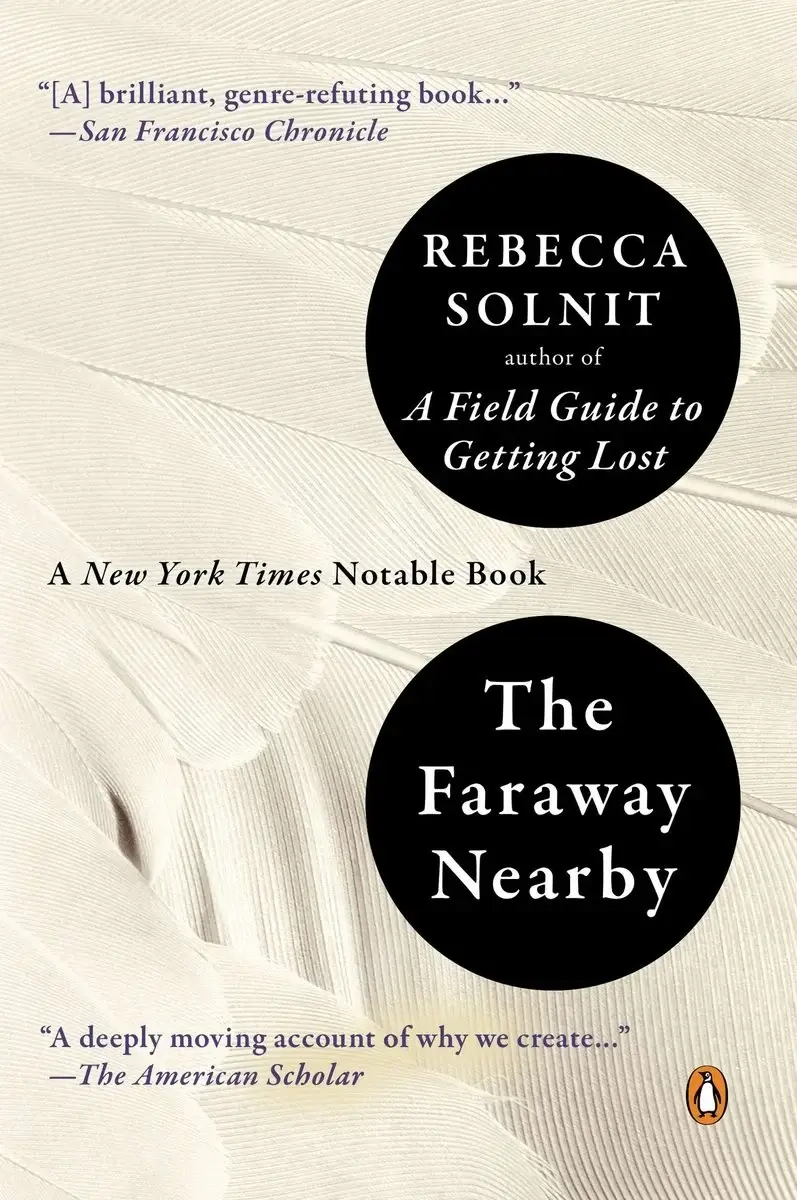
Buy This Book
Support indie book stores or buy from Amazon. We earn a small commission at no cost to you.
As an Amazon Associate, we earn from qualifying purchases.
May We Suggest:
 “Shine on You Crazy Diamond”
 “Perfect Way to Die”
 One Bite at a Time: Nourishing Recipes for People with Cancer, Survivors, and their Caregivers





Leave a Reply