
-

Healing with Craft: A Sachet for the Stages of Grief
A DIY sachet can bring comfort and warmth during the grieving processNo two people grieve alike. During the stages of grief, some crave outlets of creative expression while others prefer quiet reflection; some experience the stages of grief relatively quickly, while others take years to step back into a ‘normal’ life. Whatever side of the spectrum you fall on, there’s an aspect of grief that remains…
/
-
What is Reiki? (Interview)
How Reiki and Qigong can help soothe and heal both the grieving and the chronically illMichelle Wallace has been teaching Pilates since 2004 and also offers Reiki and Qigong sessions. She holds a BA from UC Berkeley and an MFA in Creative Writing from Mills College. Kelly: First of all, could you tell us a little bit about what you do? Michelle: I am a Reiki (pronounced “Ray-Key”) master, Qigong…
/
-
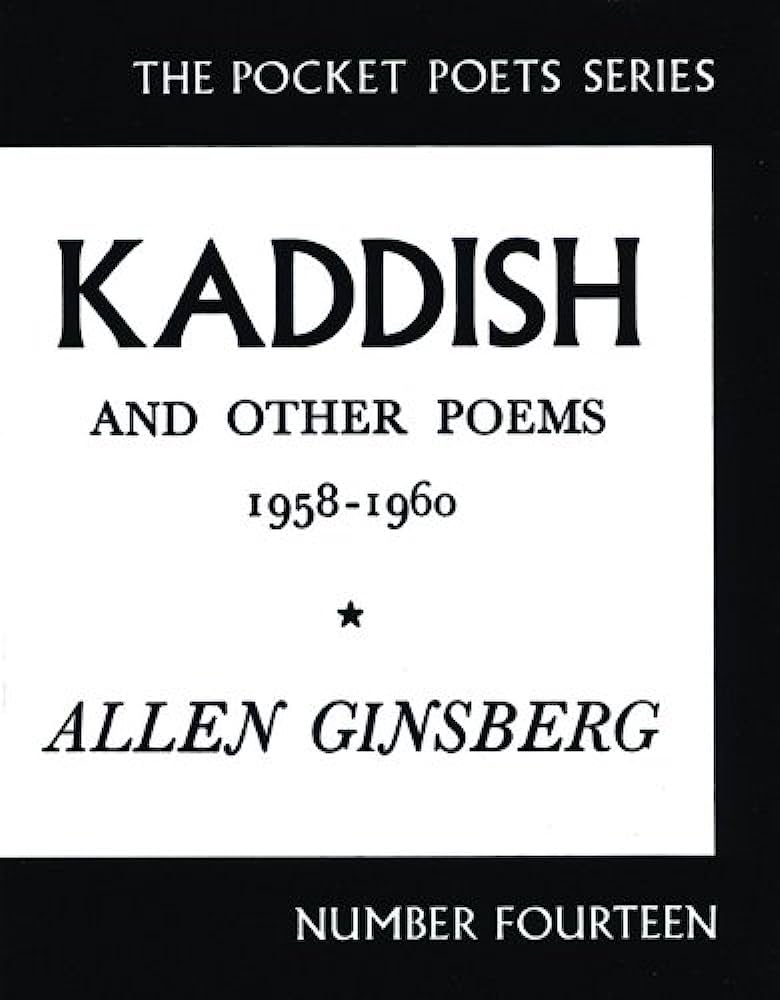
“Kaddish”
Allen Ginsberg memorializes his mother’s struggle with mental illness in his poetry bookWhen readers discover beat poet Allen Ginsberg, they often first come across the poem “Howl“. The elegiac rhapsody was (in)famous in its time for its explicit language and an ensuing obscenity trial that, ironically, only threw Ginsberg’s work straight into national public attention. Indeed, the first time I learned of “Howl” was not in English but…
/
-
Why do they put nails in a coffin?
To stop doctors from working on the patient.More from Laughter is Medicine: The Wheel of Doom How to Communicate with a Friend from Beyond the Grave “Mrs. Brown’s Misunderstanding”
/
-
Ancient Greece’s Burial Traditions
Exploring the Ancient Greek’s funeral traditions and ideas of deathAncient Greeks are known for many things: their poems, their plays, their mythology, their philosophers and the Olympics. Some things that aren’t as well known include their burial practices. Ancient Greeks believed in gods and the afterlife, funerals were an important aspect of the transition from life to death. So they created proper rituals that would…
/
-

Should Doctors Guide us through the End of Life?
Oakland doctor Jessica Nutik Zitter reveals the medical industry’s misguided attitude toward deathIn a recent New York Times article, Oakland doctor Jessica Nutik Zitter advocates the need for doctors to receive training not only in saving lives, but also in facilitating death. Although they are trained to respond to a “code blue,” which signals the need for immediate resuscitation, she writes that doctors need a protocol for…
/
-
Monday Hearts for Madalene
Page Hodel creates the most beautiful hearts in an ongoing celebration of loveIt’s an honor for SevenPonds to share with our readers the story of the Monday Hearts for Madalene project, a true account of the power of love in the midst of death. The project’s origins take us to 2005: the moment Page Hodel encountered Madalene Rodriguez and fell “instantly, dizzyingly in love with her.” The couple’s first meeting was…
/
-
Why Am I Writing About The Film “High Fidelity” On A Blog About End Of Life?
Sadly, today I relate to its exploration of disenfranchised grief and conclude with the film’s list of the top 5 songs about deathToday I had a High Fidelity kind of day. The truth is I’ve had a few too many such days this past year. Sadly, I’ve been dealing with disenfranchised grief a lot. It’s not good. For those of you who have not seen this brilliant film, it’s a must. High Fidelity was ranked by Rotten…
/
-
Close Contact: Luke Jerram and the Art of Deadly Viruses
Luke Jerram makes sculptures of potentially deadly AIDS and Malaria viruses – and his work has resonated with viewers more than he ever anticipatedArt, death, microbes, and “the edges of perception” were the dominating topics of artist Luke Jerram’s interview with Scientific American. The UK artist spoke with the online journal about his decision to make glass sculptures of potentially deadly viruses like H1N1, AIDS, Malaria, and others. “I’m interested in how we see the world,” he explained, “[and]…
/
Want an Easier Way to Plan a Memorial Event? Get our FREE guide
“7 Ways to Create an Amazing Celebration of Life”

