

How Does Educating People About the Dying Process Reduce Fear? (Interview)An interview with Barbara Karnes, nurse, author, and end-of-life educator
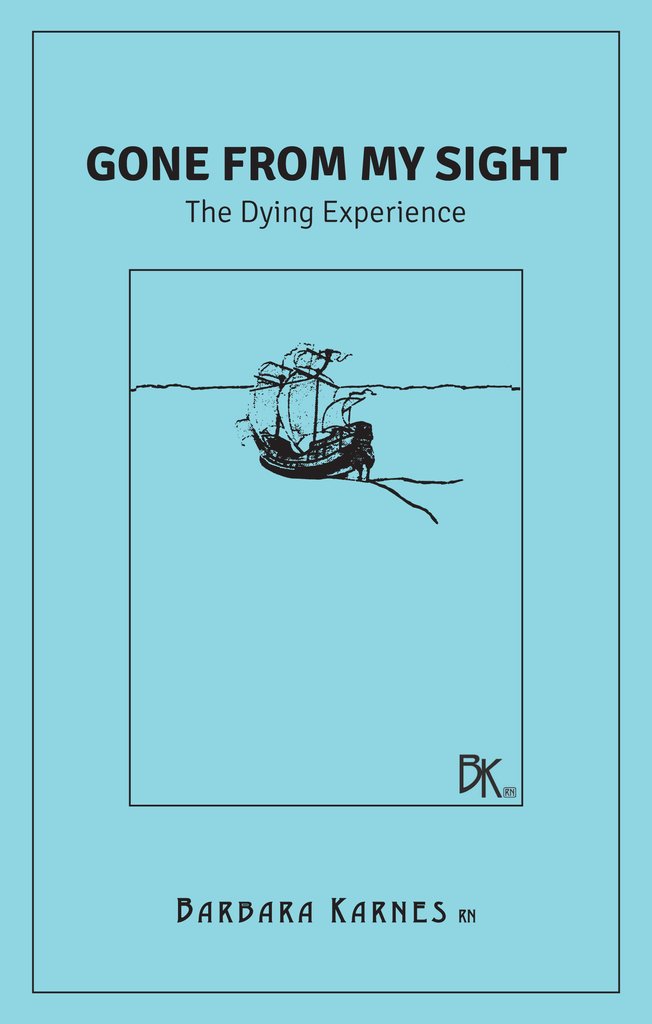
In this first part of a two part interview, I sit down with award-winning author, nurse, and end of life educator, Barbara Karnes to talk about her experiences and insight with end of life. Among many other works, Barbara is know for “Gone From my Sight” (aka the “blue book”) which was the first hospice industry resource…

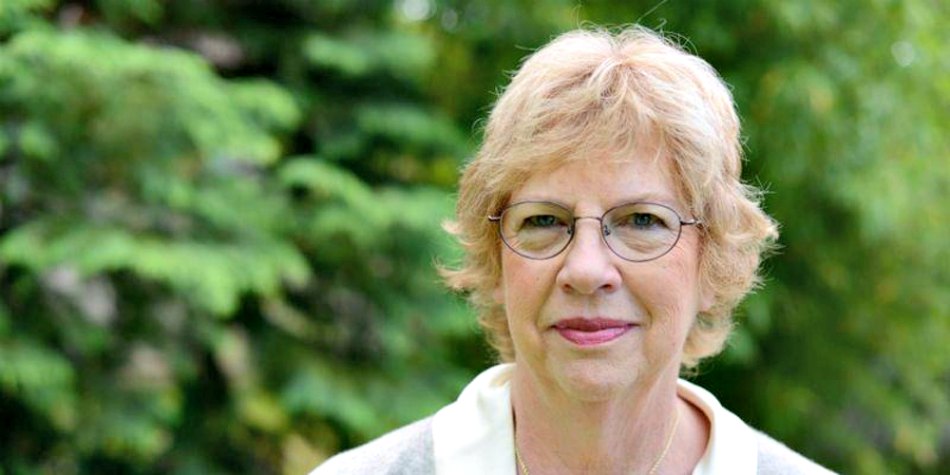
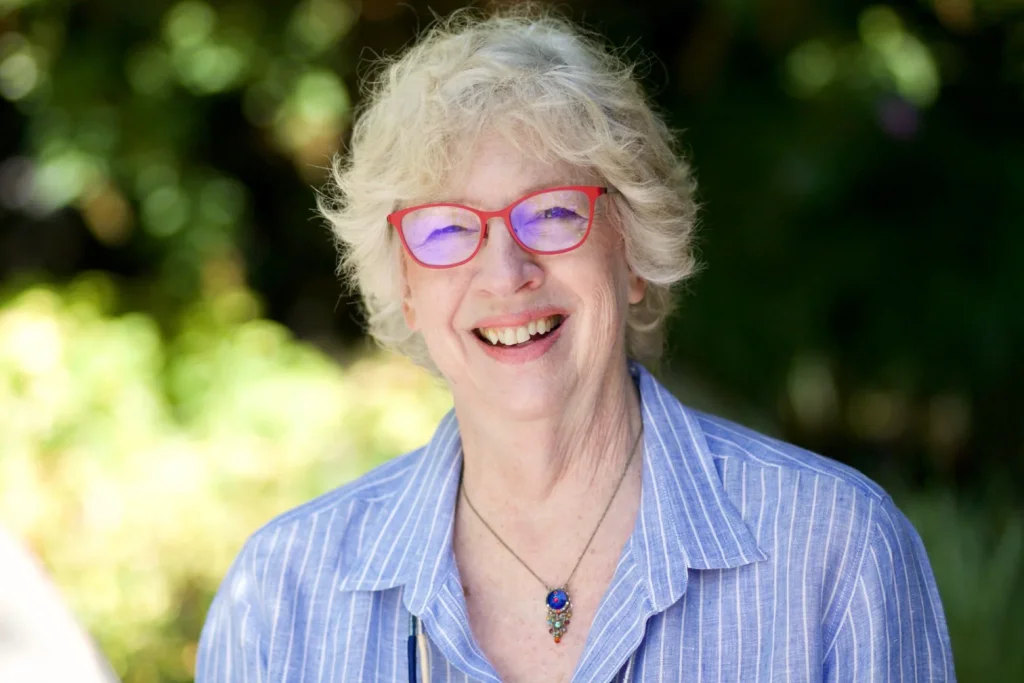
In this first part of a two part interview, I sit down with award-winning author, nurse, and end of life educator, Barbara Karnes to talk about her experiences and insight with end of life. Among many other works, Barbara is know for “Gone From my Sight” (aka the “blue book”) which was the first hospice industry resource for patients and family about the dying process.
Editor’s Note: This interview has been edited for length and readability.
Colleen Ferguson: Before we dive into your work in end of life education, I’d love to talk about your experience as a hospice nurse.
Barbara Karnes: It was after I had graduated from nursing school and had begun raising a family — I wasn’t working in the medical field at the time. It was the 1970s, and I was at that point where I was wondering what life is all about.
Soon after, we moved from Omaha to Kansas City, and I went to a class entitled “Hospice Concepts.” I was in a whole new place, thinking to myself, “What do I want to do to become involved with this community?”
So, I began looking for work in hospice, and one place was hiring one nurse at the time, and I said I would volunteer with this nurse for 20 hours a week. I viewed it almost like an internship — it was my opportunity to learn about end-of-life care. The nurse I worked with was fabulous, and we made a great team. We truly learned as we went. There was very little knowledge about end of life, and no guidelines about what to do. There were no policies or protocols to guide us except for our humanity. I would stand on the porch and say, “Dear God, I seek to heal not hurt” because I never knew what was on the other side of that door.
So we were with family and patients for hours as they were approaching death. And that’s where I learned about what happens at the end of life. I noticed that everyone was doing the same thing. There was a process — the dying person would begin eating less, sleeping more and withdrawing.
These were universal consistencies in the dying process that I was seeing. But nobody talked about them, and nobody — at that time — knew there was a process.
Colleen: And is that what moved you to write “Gone From My Sight”?
Barbara: Yes, after one call where I sat with the family as their loved one was dying, I noticed the daughter was taking notes. I went home with the idea to teach the families that there was a natural process happening. I wanted it to be gentle, short, and at a fifth-grade level. No medical terminology, no jargon. I wrote it for people who are scared, stressed, and who want to find comfort and direction.
Most people fear the act of dying more than they actually fear being dead. And there’s two ways to die. Fast, which is being hit by truck or some other accident; or slow, which is either from disease or old age. And if you’re dying slowly, you’re going to go through a normal, natural dying process.
So it’s about showing people that there’s a normal, natural process and that mom is doing what she’s supposed to be doing. This is how a person dies. And this is what I want to convey to families, because they don’t know there’s a process and a lot of fear is there. All of my work is about neutralizing the fear that goes with end of life, and knowledge reduces fear.
Colleen: What advice do you have for people facing their loved ones death and end-of-life experience?
Barbara: Get some knowledge, so that you can support, guide, and understand what’s taking place. Get an advance care directive from the person who is ill. Get it now while they can express their wishes. If you don’t, then the chances are they will die the way the medical profession wants them to die instead of how they actually want to die.
I also recommend that you shop hospices before you need one. People equate hospice with dying, but they can really help through the whole process. And learn what you can about the dying process — get more knowledge. If you can learn and see that there is a normal, natural dying process, you can neutralize the fear by a huge percentage. We’ll always be afraid of the unknown, but educating ourselves adds a little bit of “known” into it.
Colleen Ferguson: You’ve almost been involved with hospice and end-of-life care since the beginning; could you share a little about the history of hospice and your experience with it?
Barbara Karnes: Well, the concept of hospice originated in England with Cicely Saunders, who was a nurse and social worker. England has the National Health Service, and at the time, their care was divided up into individual buildings — separate hospitals for different needs. And they created a building for people who couldn’t be “fixed” and called it hospice.
So these ideas were coming over to America, but it didn’t quite fit into our healthcare system. And at this time, Elisabeth Kubler-Ross, a psychiatrist and pioneer in near-death studies, came forward and said that the medical profession wasn’t really taking care of people that were dying…that we were lacking in end-of-life care.
This is about the time I got involved. I was hearing this and thought, “Wow, this is what I thought nursing should be about.” I thought it was about taking care of more than just the physical aspect, but taking care of the emotional, mental and spiritual parts of a person as well as their family. Hospice seemed to incorporate all of this, so I pursued it and took the Hospice Concepts class.
In the beginning, the goal of hospice was about being with the family during death. It was developing outside the medical model, because dying isn’t a medical event. It’s a social, communal event.
But as hospice and palliative care has evolved over the years, the regulations have developed such that many families are alone with their loved one when he or she dies, and they don’t know what to do.
Colleen: Do you think more people are dying at home?
Barbara: No, I don’t think so. At least, it’s not happening as much as I’d like to see it. If you ask most people where they want to die, they’ll say, “At home on the bed with my cat.” That’s what most people want.
But our healthcare is not geared to meet people’s needs at end of life. For a person to die at home, it’s 24/7 hard work, and many people can’t maintain or afford to have at-home care. It’s not about how much medical knowledge is needed for end-of-life care, it’s the support and guidance for the family to take care of this person as he or she is dying.
So most people are still dying in the ICU under the medical model, which is the idea that “we fix people.” If medical can’t fix people, then according to their perspective, they’ve failed. Death is to be avoided and not prepared for.
But there are hospice houses where people can go to die, which is better than a hospital, ICU, or nursing home. And while some hospice and end-of-life care is taking on more of the medical model, the community is answering and developing its own systems, outside the medical model. There are end-of-life doulas who can help families through the death process, ministries that are learning about end of life, and residential facilities that are only taking in people who are approaching end of life.
Colleen: For those who work or want to work in hospice or other end-of-life care, can you give me a brief outline about your book, “You Need Care Too: Self Care for the Professional Caregiver?”
Barbara: First, you have to know why you want to do it. What motivates you? That’s the key. Then you’ll want to explore your beliefs, because unconsciously, all of that is going to interact with your personality, and that’s your foundation. So, what do you think happens? If you think death is “bad” or a failure, then you’re probably in the wrong job.
Once you know who you are and why you’re doing this, then I recommend a buddy system. It’s important that you have someone in your work environment who understands. You need to be able decompress and get it out. Caregivers carry a lot of unrealized grief, because we give away a piece of ourselves with each patient. We need to develop a means of closure.
We can’t grieve extensively for every patient and family. There were people who I took care of that got into my heart, and I grieved deeply for them. And I knew they would come along.
This article has been updated from its original publication to reflect the most current information.
May We Suggest:
 Why is Death Midwifery Important? (Interview)
 “Conscious Dying” Gains Traction as Boomers Seek to Transcend a Death-Denying Culture
 What Are Hospice Services? (Interview)




Leave a Reply