


What Is Geropsychology? (Interview)An interview with Dr. Elizabeth Sutherland
Today SevenPonds talks with Dr. Elizabeth Sutherland. Dr. Sutherland is a geropsychologist who practices in Sausalito, California. Geropsychology is a combination of geriatrics and traditional psychology. The needs, anxieties and causes of depression in older populations vary from those of children and younger adults, so specialization in the field is extremely beneficial for clients. Dr.…

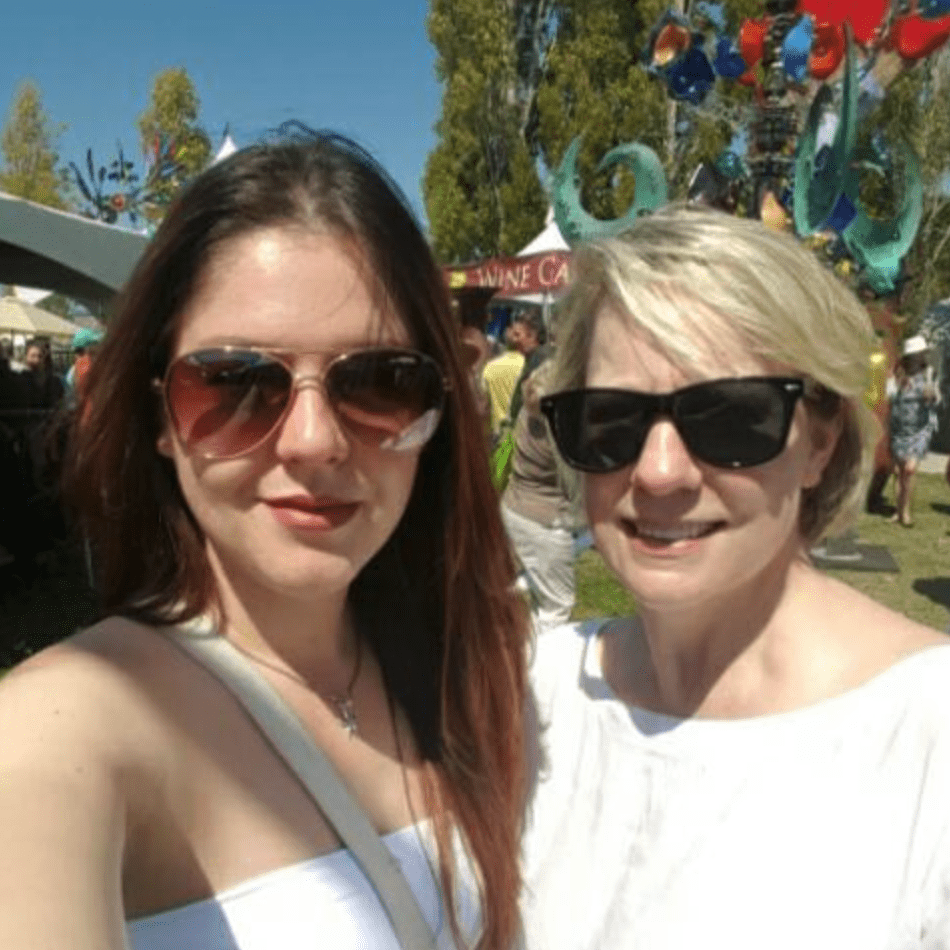
Today SevenPonds talks with Dr. Elizabeth Sutherland. Dr. Sutherland is a geropsychologist who practices in Sausalito, California. Geropsychology is a combination of geriatrics and traditional psychology. The needs, anxieties and causes of depression in older populations vary from those of children and younger adults, so specialization in the field is extremely beneficial for clients. Dr. Sutherland regularly works with dementia patients, so she is well-versed with cognitive disorders and decline as well.
Editors note: This interview has been edited for length and clarity.
Lucas Morgan: Hello Elizabeth! Thanks for speaking with me today. I think we’ll start with some preliminary information. What are your educational and professional backgrounds?
Elizabeth Sutherland: So the field of geriatric psychology is like my fifth career. I felt that I was too young in my 20s to go to grad school for geriatrics. Because, what person over 65 wants to talk to a twenty-something-year-old about dying, sexuality and the like? So I initially went into the hospitality industry for a while.
Eventually, I got my bachelor’s in psychology from Sonoma State University and got my master’s and my doctorate in clinical psychology at John F. Kennedy University. I specialized in geropsychology and had to make the pathway for that myself because nobody else had done geriatrics before. I did my initial geriatrics training at the San Francisco VA Medical Center and completed my residency at Mount Sinai in Manhattan. I then came back to complete a fellowship at SFVAMC and was eventually hired there in 2008. Now I do home visits for the SFVAMC. I also have my own private practice, and I also teach at both UCSF and JFKU.
Lucas: Well it certainly sounds like you have a lot going on! How would you describe the field of geropsychology to someone who’s never heard of it?
Elizabeth: I am a clinical psychologist and I specialize in geriatrics. That’s why I’m called a geropsychologist. In this field, you have to specialize in not only geriatrics but also neuropsychology as well.
Lucas: So what are some key differences between your work and what you might call “normal” psychology?
Elizabeth: Well with normal, private practice psychology you may specialize with children or teenagers. With adults you may work with couples or families, and their life transitions. However, with geriatrics, you’re really focusing on people who are 65 and older.

So you’re going through their transitions, which could be so many different things. Some people may have issues related to retiring, some could be raising their grandchildren, and for others, maybe their retirement plans aren’t going the way they thought they would. I also work with people who have had strokes and other illness or injuries, so we’ll discuss how debilitating those can be. Also, the issue of grief comes up when someone has lost their spouse. And then there’s the whole aspect of the brain and cognitive issues.
Lucas: Why did you decide to work with the elderly population? What drew you to geropsychology?
Elizabeth: My experience with my grandfather, for sure. He told me stories throughout my life, and I remember when I was a senior in high school all of a sudden he couldn’t remember the endings. He couldn’t remember punch lines, and I just wondered, “What is going on?”
I eventually lived with him, helping my mom take care of him. And I noticed that his brain just wasn’t working normally. He was such a terrific man, so I thought that I wanted to get into this field of work. But then I didn’t know how to go about it. I felt too young, and so I just waited. Now I’m in my 50s so people are more willing to talk to me about their issues.
Lucas: How long has geropsychology been a specific field of study?
Elizabeth: I don’t think that long, really. I remember in the late 1980s when somebody had dementia they were called “senile.” It was very much like, “Well [this person] is senile, they may have Alzheimer’s, but we won’t know until post-mortem.” Now, we’ve made so many advances with imaging and testing.
There are still not a lot of people who specialize in geriatric psychology. And this is what I tell my students: “You know what? This time we’re in now, this is it.” I like to call it the “silver tsunami.” The older population now is the largest it’s ever been.
Lucas: You mentioned that you make home visits for some patients. Why is this important for you?
Elizabeth: It just makes the entire process much more comfortable and easier for them. When people are older and have cognitive problems, there can be some paranoia and anxiety. If their family member says, “Tomorrow we’re going to go see Dr. Sutherland,” the person may be anxious all night because they know they’re supposed to go do something, but can’t remember what it is. The visit will then be skewed because they’re tired and paranoid. Unfortunately, it’s not a population that many people want to work with, which is sad. I think they’re wonderful. I love my job, so it makes it a bit easier.

Lucas: You’re very well-versed in neurological problems and diseases that arise from the aging process. How does that come into play?
Elizabeth: That’s correct. A lot of my work is conducting neuropsychological assessments. I will test individuals to see if they have a diagnosis of cognitive impairment and what it may be, i.e. Alzheimer’s, Parkinson’s, Lewy body dementia, etc. I then will give recommendations around it. Are they safe to be at home still? Perhaps the main question I have to ask is, “Do they have the capacity to make medical and/or financial decisions?”
If someone does not have that capacity, I find out if they are married, or do they have someone in their life that can make those decisions? If not, I may have to go to the city or county and have the courts assess their competency and appoint a conservator or guardian. It can get really messy.
Lucas: And some people, I’m sure, are still generally “with it,” — not completely “gone” in terms of their dementia.
Elizabeth: Right. Some people are just teetering, and they still have their rights. When you claim that someone does not have the capacity to make decisions, you’re basically taking away all of their rights. That’s hard. So I make sure that when I go in to see them that there is no depression or anxiety skewing their decision-making.
Lucas Morgan: Is there a typical age range for the patients you work with? How about a “minimum” age?
Elizabeth Sutherland: Society has always kind of said 65 and up when it comes to “senior citizens.” But people are aging and living longer now. We’ve done beautiful things in the medical field when it comes to physical ailments, including the heart, kidney, lungs, etc. But with the brain, we hit our peak at 30 and we start going downhill from there. That being said, my oldest patient was 102. I’m noticing that my patients are more into their 80s and 90s.
Lucas: Are elderly people oftentimes reluctant to see a therapist? I feel like therapy is much more accepted now than it has ever been, particularly with younger folks.
Elizabeth: I’d say that many seniors do have a stigma about it because many of them were born in the 1920s, 30s and 40s. There was a mentality back then that you keep private things to yourself. You don’t “air your dirty laundry” and that kind of thing. There’s also a stigma a la “One Flew Over The Cuckoo’s Nest” where if you appear “crazy” you’ll be locked up.
So these peoples’ children (who are in their 50s or 60s) will tell me that their parents are very apprehensive, they don’t really want to do this, and will be nervous. I’ll tell them, “Don’t worry about that, I will handle it when I get [to their home].”
Lucas: Do you work with terminally ill patients as a geropsychologist?
Elizabeth: Yes I do. I actually just started getting referrals for assessing people who want to end their life. This is pretty new in California; it’s called the End of Life Option Act. It allows terminally ill adult residents in California to access medical aid in dying by self-administering lethal drugs.
So, of course, you have to have the mental capacity to make that decision. You need two doctors to go in and make that assessment. It’s interesting because people think it’s a simple meeting where they are in and out. But I have to do a full capacity evaluation. I have to make sure there are no secondary gains, no medication interference, no cognitive interference, etc. that could impact this huge decision.
I also have to make sure there’s no undue influence, like if the family is pushing for this person to die because of potential financial gain. So you have to interview the family, get the medical records, and many other things. It takes time to get all your ducks in a row so to speak. You really need to be geriatrically trained to do these assessments.

Lucas: How can you help people, whether they are terminal or not, deal with the idea that they may die soon?
Elizabeth: It depends on their personality and specific traits. I find that people who are generally anxious will be that way when talking about death. If people are in the mindset of, “You know, life’s been great,” they will be calmer.
End-of-life issues that come up regularly in my work as a geropsychologist revolve around family communication. Sometimes there are strained relationships that they want to try and decipher. Maybe they want to better understand why that happened. We can talk about fears and anticipatory anxieties around death and dying, what the “next phase of life” could be if they believe in that, or even if they don’t believe in an afterlife. I generally will just sit with the patient and let them help me figure out where they want to go. We can do relaxation exercises, hypnosis or guided imagery. It just depends on where the patient is in their life.
Lucas: Do people ever feel “guilty” about the fact that they are either terminally ill or descending further into dementia? In the sense of being either an unwanted cause of stress for their families or that they are leaving their family behind?
Elizabeth: An issue that comes up very often is the idea of being a burden. They don’t want to be a burden to their spouse, children or grandchildren. We put such an importance on independence in our society. And now an adult with dementia or other serious illness reverts back to being dependent on others. Not just on other adults, but many times they will be dependent on their children, which is a total role reversal. And that is a hard reality.
Lucas: Do you work with victims of elder abuse?
Elizabeth: Yes I do. Ethically, whenever I go into a patient’s home or dwelling, I am keeping track of neglect and verbal or physical abuse. Financial abuse is really up there as well. This is why I much prefer going to the home so that I can see the safety component. This includes hospitals and nursing homes as well — wherever the patient is currently living.
Lucas: It seems as a geropsychologist you tend to deal much more with people who have some form of dementia. Do you work with seniors who have no cognitive impairments as well?
Elizabeth: I do, and I can give two quick examples. One man’s son called me because he thought his dad had depression. And so I met with the man and we started discussing end of life. We mapped out in great detail exactly how his celebration of life would go. I have started doing similar things with people who are very cognitively intact. They don’t want to burden their family, again, so we’ll lay out everything. I will then write it out and give it to the family. Many people don’t want to have these discussions with their families.
Another example is when I was called to do a capacity assessment of an 85-year-old woman. She had five children and most of them thought she had dementia. There was one, however, who thought that their mother was still mentally intact. It was being petitioned in court. If it was determined that she had dementia, a trust would have kicked in and the kids would’ve received financial gain from her estate. I went in to assess her, and she was spot on. She had a lot of anxiety because of all the legal and court stuff, which affected her mentality, but she was totally with it.
Lucas: Has the issue of divorce ever come up with dementia patients? Either one spouse or the other wants divorce, or that you determine perhaps the relationship is toxic?
Elizabeth: Yes it has come up before. One time a nurse practitioner asked me to see a patient because they thought he had depression. He was married to his second wife, and the nurse thought there might be some verbal and possibly physical abuse. The man was miserable, and he kept testing really low on depression scales. He had some verbal issues as well because of his dementia and couldn’t really articulate. He just became more and more unhappy.
About a year into my work with him, his wife actually filed for divorce and it turned into a huge legal battle. She sued both myself and the conservator. There must have been eight people there with lawyers. People with dementia still have the right to be happy, even if you don’t have the capacity to make your own decisions. The divorce went through eventually, and after she was removed from the situation, he became markedly happier. He ate and engaged with others much more. His behavior afterward showed that the divorce was, in fact, the best decision.
Lucas: What a kind of capacity can you test for as a geropsychologist that people may not know about?
Elizabeth: An interesting one people may not think of is that I can assess whether someone is able to engage in an intimate relationship. This is especially true in nursing homes because sex does occur in these facilities whether we want to think about that or not. I do talks at senior centers and the like about this issue.
People in their 70s and 80s still want to engage in intimate relationships. We also need to involve the families/power of attorneys at times to make sure that there’s no undue influence in these sexual relationships. If someone has a new partner, there may be potential financial influences happening there as well. So it’s quite an important capacity to test for.
Lucas: Do you have any idea how many geriatrically trained therapists there may be throughout the country? How common is it to find a geropsychologist?
Elizabeth: It’s really kind of sad because there aren’t many, to be honest. At the San Francisco VA Medical Center there were only two of us for a while; there are a few more now. The thing about being a geropsychologist is that you have to be able to deal with so many different factors: PTSD, anxiety, brain injuries, different kinds of dementia, grief, end of life, other life transitions; the list goes on. You really have to be well-versed in it all. This is also why I think being a bit older yourself helps a lot. Those of us who are trained in psychology are adept at dealing with our own stuff before entering a room. You’ve got to be able to leave your biases and judgment at the door as best you can.

Lucas: Do you have any tips or suggestions for older adults who may want to see a geropsychologist like yourself? How about for somebody who has recently lost a loved one?
Elizabeth: First and foremost, you need to make sure it’s a good fit when it comes to finding a therapist. When a potential patient or their family calls me I’ll explain who I am and offer to go meet with the person to see if there’s a click. You will eventually find someone you just sort of click with. It helps a lot to meet with someone who specializes in geriatrics. They get the physical, mental and emotional processes of that age group.
Everybody grieves differently. Every person and every relationship is different. The grieving process just takes time. You shouldn’t do anything rash within the first year; just sit with that grief for a while. For instance, don’t pack up and move away somewhere else all of a sudden. And seek help. This can be harder for older adults. There are people like myself who are objective. It might be nice to talk to someone like that who’s not family. Family members may react with their own emotions and try to “fix” the problem. And you don’t have to tell anyone you’re seeing a psychologist if you don’t want. Care for yourself!
Lucas: Thank you so much, Dr. Sutherland, for taking the time to speak with me! I really enjoyed our conversation and learned so much.
Elizabeth: Thank you Lucas! It was my pleasure.
May We Suggest:
 Biohazard Cleanup: An Uncomfortable Subject Explained (Interview)
 What to Say to a Friend Whose Spouse Has Dementia
 How Can Families Save Money By Having A Home Funeral? (Interview)
-

Hello Dr. Sutherland!
Thank you for all this information. We met at my community, Lakeside Park in Oakland a couple years ago. I would love to re-connect and see if you would be available as a speaker at one of my Fireside Chats. You can reach me at the community: (510) 444-4684.
All the best,
Anne Sanabria-
Hi Anne,
I am the editor-in-chief here at SevenPonds. I’ll pass on your request to Dr. Sutherland now. Thanks for reaching out!
-






Leave a Reply