

Environmental Impact of Alternative Technologies
Jump ahead to these answers:
- Is the Liquid Remaining After Alkaline Hydrolysis Safe for the Environment?
- What is natural organic reduction and how does it affect the environment?
- What Is Being Done to Minimize the Impact of Death on the Environment?
Is the Liquid Remaining After Alkaline Hydrolysis Safe for the Environment?
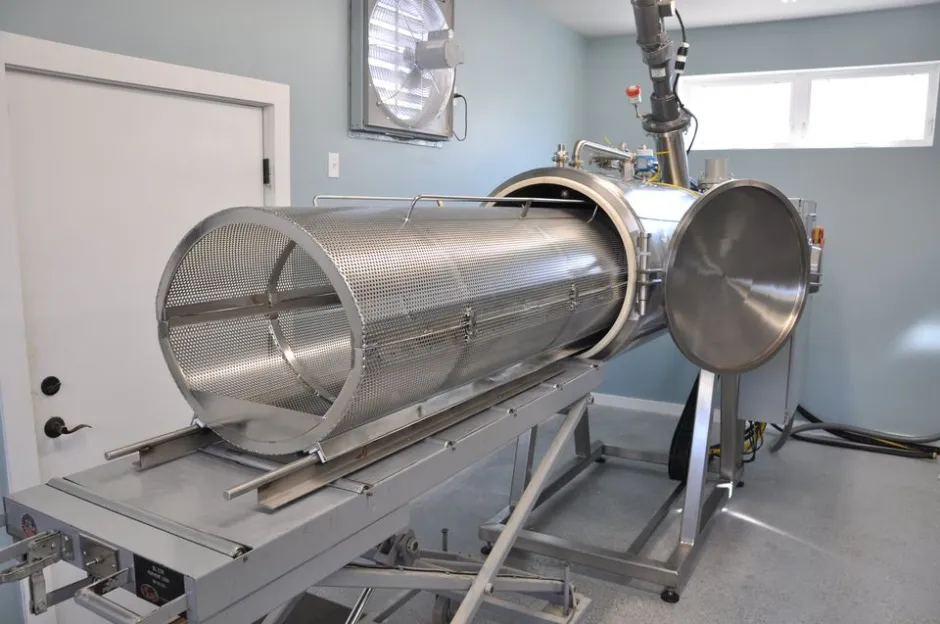
July 8th, 2025The liquid (or effluent) that remains after alkaline hydrolysis is safe for the environment. During the alkaline hydrolysis process, the body is reduced to porous bone matter and a sterile, inert, non-infectious effluent containing nutrient-rich organic compounds. Prior to safe release into municipal wastewater systems, the pH level and temperature of the effluent are reduced to meet the standards of state and local wastewater authorities.
This information is further supported by the process’s history and its applications beyond the funeral industry. Alkaline hydrolysis was originally patented as a means of producing fertilizer. Manufacturers like Bio-Response Solutions, Inc., which produce systems for both funeral and agricultural uses, confirm that the effluent’s safety and nutritive value allow for its use in such extra-funerary applications, reinforcing its environmental credentials.
Sources
“All About Aquamation: Cremation Alternatives for Humans and Pets”. Better Place Forests. https://www.betterplaceforests.com/blog/aquamation-for-humans-and-pets/
“Fact Check: Alkaline hydrolysis, or liquid cremation, does not mean human remains are ‘fed to the living’”. Reuters. https://www.reuters.com/article/factcheck-dead-fed-living/fact-check-alkaline-hydrolysis-or-liquid-cremation-does-not-mean-human-remains-are-fed-to-the-living-idUSL1N3621X5/
“Alkaline Hydrolysis”. Cremation Association of North America. https://www.cremationassociation.org/alkalinehydrolysis.html