

Home Funeral Health & Safety
Jump ahead to these answers:
- Can a Home Funeral Be Conducted if the Cause of Death Was a Contagious Disease?
- Are There Any Health and Safety Concerns to Be Aware of for a Home Funeral?
Can a Home Funeral Be Conducted if the Cause of Death Was a Contagious Disease?
July 7th, 2025Whether a home funeral can be conducted if the cause of death was a contagious disease will depend largely on the disease involved. Although most diseases will not spread directly from the body of the person who died, some diseases are an exception. These diseases include:
- Covid-19
- Ebola
- HIV
- Tuberculosis
- Gastroenteritis (including clostridium difficile)
- Septicemia and meningitis, particularly meningococcal infections
- Hepatitis B and C
- Group A Streptococcal infection
- Transmissible spongiform encephalopathies (including Creutzfeldt-Jakob disease)
Assuming that the person who died was hospitalized due to the severity of these diseases, the hospital would typically inform family and loved ones that a home funeral would not be appropriate due to safety concerns. However, it is also worth acknowledging that when someone dies due to a contagious or communicable disease, most states have defined regulations regarding the treatment and disposition of the body. Most states will require that the disease is reported to the attending physician or medical examiner at a minimum, but other states can require embalming if a contagious disease is the cause of death.
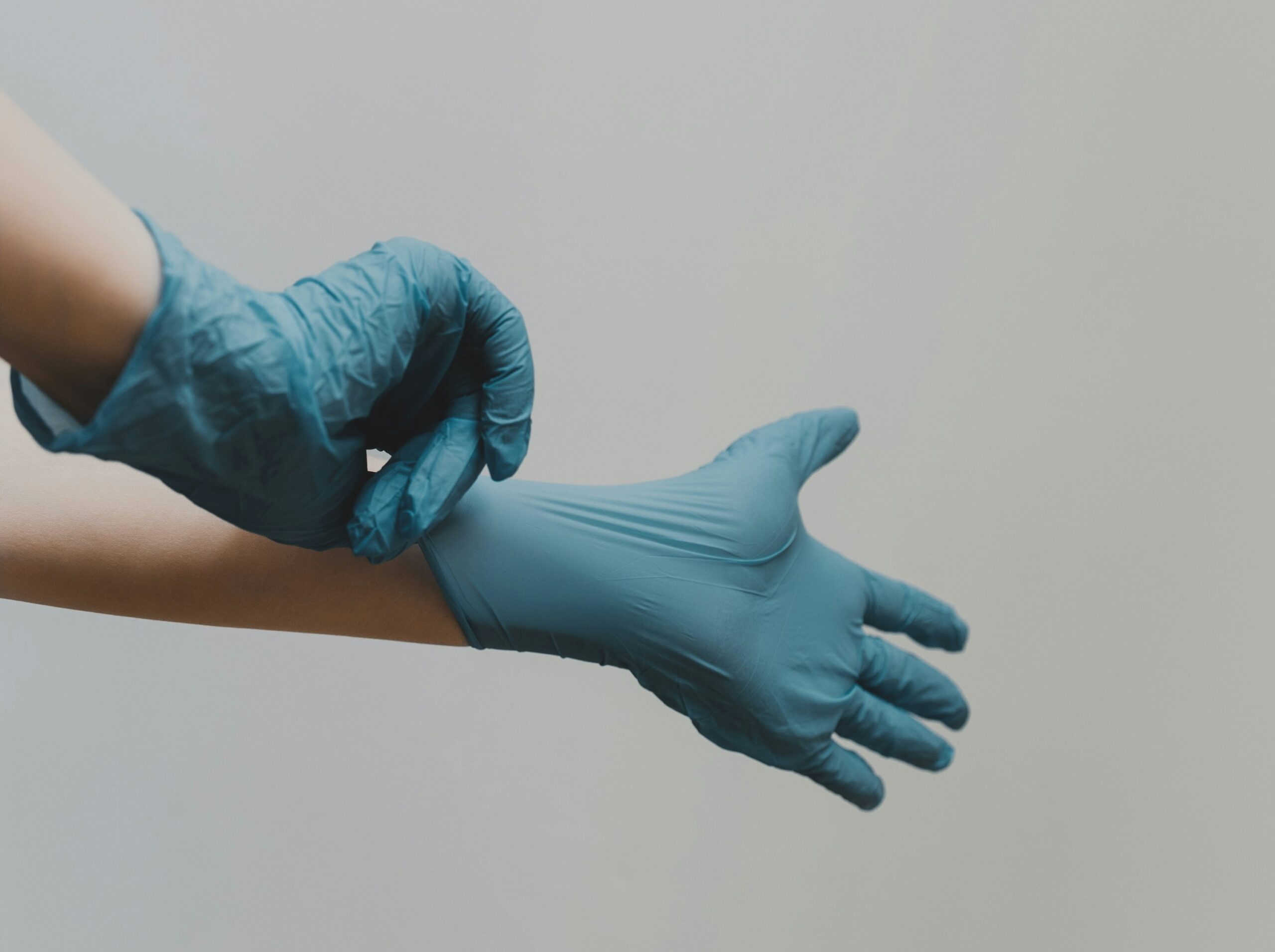
Wearing personal protective equipment and taking the necessary precautions when handling the body of the person who died is highly recommended, even in circumstances where a home funeral has been approved. Since regulations can vary by state and potential health risks should be evaluated by a medical professional, the best practice is to seek professional guidance before making any arrangements for a home funeral. Contacting a medical professional, the state public health department, or a local funeral director can provide more insight into the requirements and restrictions.
Sources
“Home Funerals are Safe”. National Home Funeral Alliance. https://www.homefuneralalliance.org/health-safety.html
“Laws by U.S. State”. National Home Funeral Alliance. https://www.homefuneralalliance.org/state-laws.html
Are There Any Health and Safety Concerns to Be Aware of for a Home Funeral?
July 7th, 2025In most instances, there aren’t any health and safety concerns that you need to be aware of to conduct a home funeral. Bodies of deceased individuals are generally safe and typically do not pose a threat to health or safety. The exception to this is if the individual who died had an infectious disease. In those scenarios, contagious diseases may be transmitted to other people by contact with bodily fluids or blood. However, public health officials believe that viruses and bacteria cannot survive long after an individual dies. Hence, the danger is most likely short-lived.
Some examples of diseases that can be transmitted through contact with a dead body include:
- COVID-19
- Hepatitis B and C
- Tuberculosis
- Group A Streptococcal infection
- Ebola
- Gastroenteritis
- HIV
- Transmissible spongiform encephalopathies such as Creutzfeldt-Jakob disease
- Meningitis
- Septicemia (rare)
Wearing personal protective equipment (PPE), such as gloves, masks, eye goggles and face shields, is an excellent way to protect yourself from coming into contact with body fluids and blood when handling the body of a deceased person with an infectious disease. If the individual was hospitalized due to an infectious disease and died from it, the hospital would also indicate that it is not safe to conduct a home funeral.
There is a common misunderstanding that embalming prevents disease from spreading and that unembalmed bodies of deceased individuals have the potential to spread disease. However, if the individual didn’t have an infectious illness before death, they will not become a health threat after death in the absence of embalming.
If the deceased individual died from an infectious disease, most states require that the death be reported to public health officials. In that case, the family or next of kin should report the death and the associated illness to an attending physician, who will ensure it is documented correctly. If any other actions are required, the doctor or public health officer will inform you at the time of contact. If you are caring for a seriously ill person with an infectious disease, you should also check the requirements in your state to ensure you’re aware of the regulations and associated time frames.
Sources
“Home Funerals Are Safe”. National Home Funeral Alliance. https://www.homefuneralalliance.org/health-safety.html
“Embalming Explained”. Funeral Consumers Alliance. https://funerals.org/get-help/making-decisions/embalming-explained/