

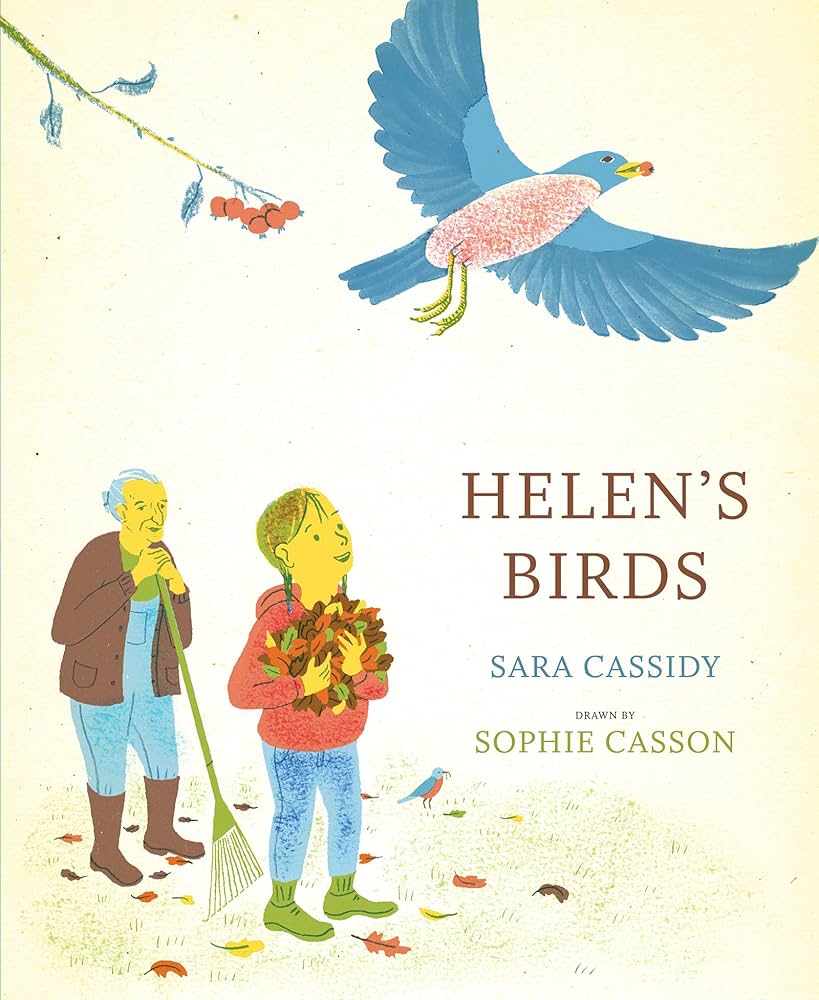
“Helen’s Birds”A wordless graphic novel about an intergenerational friendship and a young girl’s experience with loss and grief
During the grief journey, words sometimes seem like too much. Conversely, they might feel like they’re not quite enough to grasp the emotions of love and loss. Viewing loss through artistic storytelling offers a different perspective. Drawn by Sophie Casson and written by Sara Cassidy, “Helen’s Birds” follows Saanvi’s friendship with her elderly neighbor, Helen.…

During the grief journey, words sometimes seem like too much. Conversely, they might feel like they’re not quite enough to grasp the emotions of love and loss. Viewing loss through artistic storytelling offers a different perspective.
Drawn by Sophie Casson and written by Sara Cassidy, “Helen’s Birds” follows Saanvi’s friendship with her elderly neighbor, Helen. They play cards together, read together and garden together — but what really draws them close to each other is their love of and care for the wild birds in Helen’s backyard.
When illustration carries the narrative, as in “Helen’s Birds” by Sara Cassidy, readers’ own experiences inform how they receive the message. They become a collaborator in the story.
They might examine how a simple playing card changes emotional responses. How does color choice indicate season, relationship, or emotion? How about page size?
Universal Language
Although the book is intended for children, it holds value for readers of all ages, bridges cultural gaps, and accommodates different learning styles.
In the piece “The Silent Symphony: How Art Speaks Louder Than Words,” the Anna Goodson Illustration Agency shares that, “the visual narrative transcends linguistic barriers, allowing individuals to connect with stories on a universal level… The visual elements of illustrations can convey shared experiences, emotions, and ideas.”
Simple Yet Meaningful Story
When Helen dies, Saanvi is sad but takes some time to really confront her feelings and experience with loss and grief. Helen’s house is torn down, which means the backyard birds she cared for have lost their home.
One day, Saanvi finds a playing card that sends her down memory lane. At first, she smiles at the memories, then suddenly finds herself sobbing. After a long night sitting with her grief, Saanvi thinks of something to honor Helen’s memory. She starts creating bird feeders and birdhouses in her own backyard. It’s not long after she creates a welcoming space that the birds find a new home with Saanvi.
Symbolism for Grief and Loss
Picture and illustration style choices — such as the use of birds, the shapes included, color selection and drawing size — inform the emotions and expressions the author and illustrator wish to convey.
David Wiesner, also known for his wordless storytelling, writes in “Louder than Words:”
“Artists create characters’ personalities through pictures alone, using facial expressions and body language to convey what they may be thinking or feeling. Emotion is also shown through the pictures’ context. The size of an image affects how the reader responds to a character, as does the size of the character within the image, and lighting and color amplify the emotional mood.”
While not universal, many cultures tie strong symbolism to birds, particularly in elements of grief, loss, and memory. According to the article Bird Symbolism After Loss: What Birds Can Represent in Grief and Culture on funeral.com,
“Grief changes attention. When someone dies, the brain becomes both exhausted and hyper-alert. We scan for familiarity, reassurance, and patterns. Birds naturally fit into this experience because they’re visible, mobile, and often appear in transitional spaces—windowsills, fences, the edge of a yard, a hospital parking lot, a cemetery tree line.”
These transitional spaces naturally call to the liminal spaces between life and death and our reckoning with that.
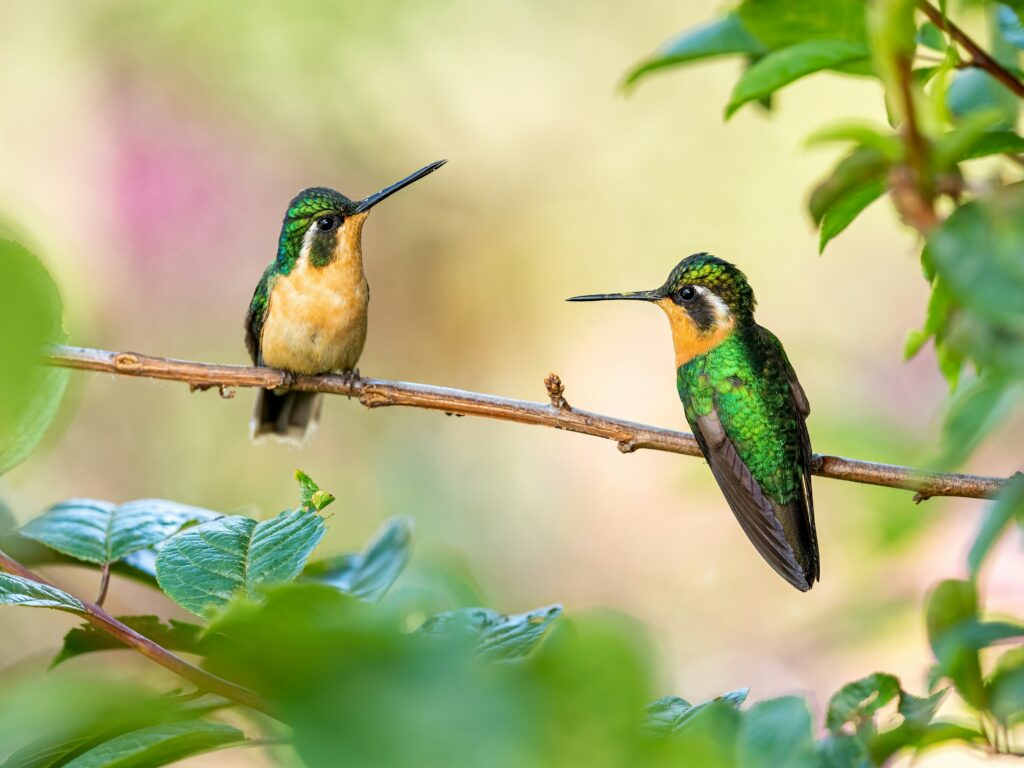
While the book features a variety of birds, the most prominent are sparrows and hummingbirds.Sparrows are resilient songbirds that have adapted to life near humans. While clearly setting the scene of a city, the connection with humans also indicates community. Saanvi and Helen’s intergenerational relationship as a central narrative shows the importance of that bond . A post, “Coping with Grief: Symbolism of Birds in a Loved One’s Passing,” on Tharp Funeral Home and Crematory’s website states that hummingbirds are a sign of beauty and joy and are frequently interpreted as representing a loved one’s presence after death.
How Helen’s Birds Can Help Kids Cope with Grief
What does it look like when a child grieves? As with adults, every child will grieve differently. While they will likely internalize emotions associated with grief, sometimes children may show their grief through external behaviors like intense outbursts or, for example, you may notice decreased appetite.
Saanvi doesn’t quite have the words to express her grief when Helen dies. Children may recognize their own experience in Saanvi’s sadness, sense of loss, and, later, in her renewed purpose as she helps Helen’s Birds find a new home in her yard. A wordless graphic novel like Helen’s Birds is a great way to start a conversation and to help a child understand what they’re feeling after a loved one dies.
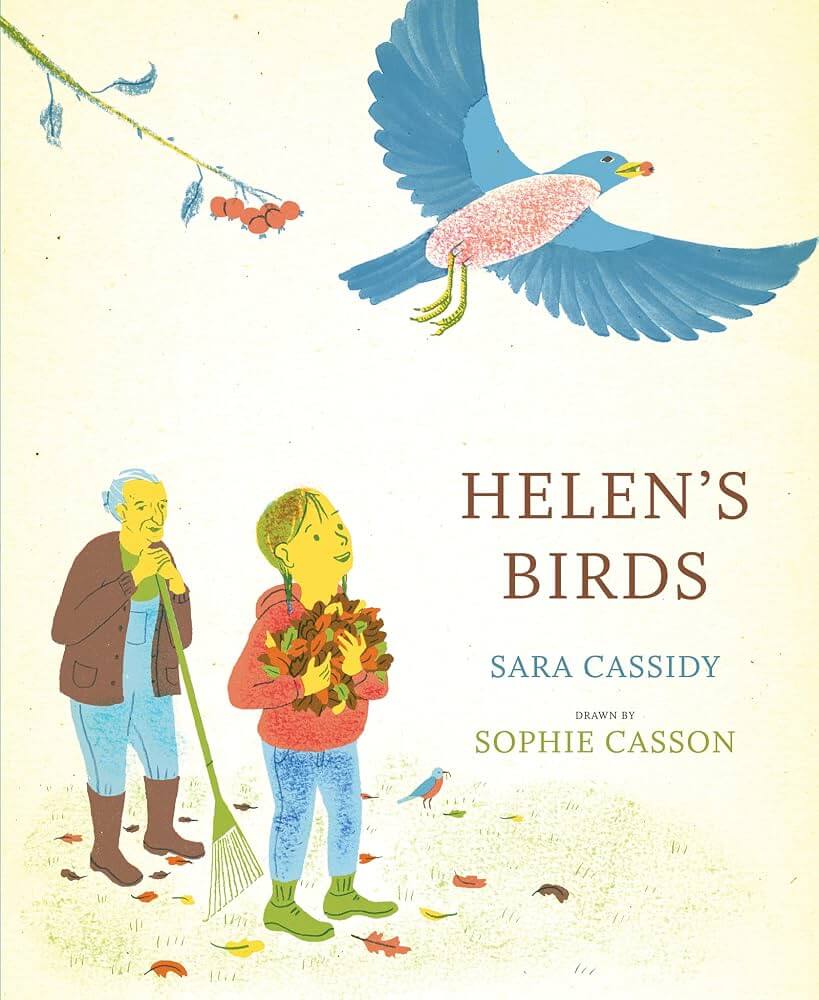
Buy This Book
Support indie book stores or buy from Amazon. We earn a small commission at no cost to you.
As an Amazon Associate, we earn from qualifying purchases.
May We Suggest:
 31 Humorous Quotes About Aging
 26 Poetic Quotes as Symbols of Life’s End
 27 Hilarious Quotes About Seasons, Cycles, and the Passage of Time
-

What a beautiful way to show that grief doesn’t always need words. Sometimes love, memory, and healing can be expressed through the simple act of carrying forward something that mattered to the person we lost.
-
Absolutely. Sometimes the most meaningful way to honor someone is simply to continue the love they brought into our lives.
-





Leave a Reply